
Cheap Car Insurance in California
The average cost of car insurance in California is $176 per month for full coverage and $85 per month for minimum liability coverage.
By clicking Start Quote, I agree to the Privacy Policy and Terms of Use, which affect my rights.

Key Takeaways
- The average cost of car insurance in California is around $2,112/per year for full coverage and $1,020/per year for minimum liability
- California drivers pay more than the national average due to traffic congestion, repair costs, and uninsured motorists
- Younger drivers and teens pay significantly higher premiums due to limited driving experience
- Rates vary widely by city, with dense metro areas seeing the highest premiums
Affordable Auto Insurance for California Drivers
Finding cheap car insurance in California is about more than price — it’s about staying compliant in a state with heavy traffic, strict insurance enforcement, and some of the highest driving costs in the country. From packed freeways and long commutes to rising repair and medical expenses, everyday driving in California comes with real financial risk. California residents have unique auto insurance needs due to state-specific laws and driving conditions.
Since auto insurance is mandatory, drivers need coverage that meets California car insurance requirements without stretching their budget. Understanding your personal needs is crucial when selecting coverage, as the right affordable auto insurance balances legal compliance, practical protection, and cost — especially in a state where tickets, accidents, and uninsured drivers can quickly lead to expensive consequences.
California drivers should understand the state’s minimum coverage rules before choosing California liability insurance.
Freeway Insurance helps California drivers compare options from multiple insurers to find coverage that fits their needs, whether that means basic liability, full coverage for a financed vehicle, or specialized policies like SR-22 insurance. All motor vehicles in California are subject to the state’s unique insurance laws, which make insuring a vehicle different than in other states.
More Than 200 Companies, All in One Place.





Car Insurance Costs in California
Car insurance in California tends to cost more than in many other states, reflecting the unique risks and expenses that come with driving here. What drivers pay can vary widely, but overall pricing reflects the increased risks and costs associated with driving in a large, densely populated state.
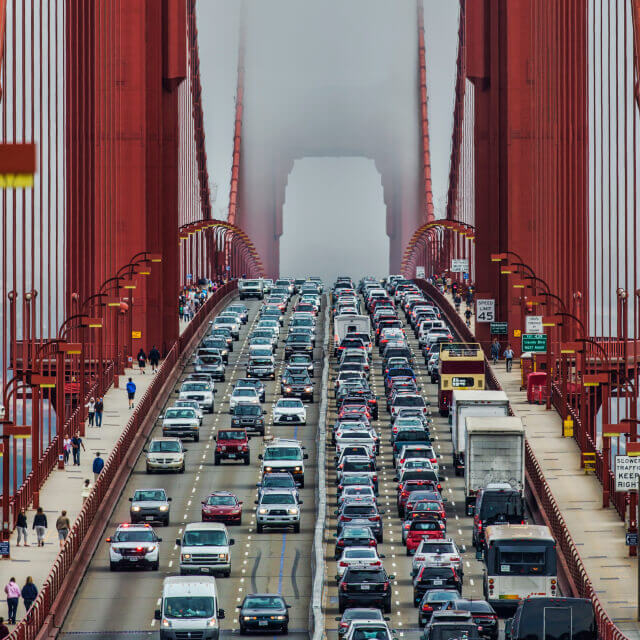
Several factors push California insurance costs higher. Traffic congestion is a major contributor, especially in metro areas where stop-and-go driving and crowded freeways increase accident frequency. Accident rates remain elevated simply because of the sheer number of drivers on the road each day. When collisions happen more often, insurance claims rise across the state.
California also has higher repair and medical costs than many other states. Labor rates, parts, and medical treatment tend to cost more, which directly impacts claim payouts and, in turn, premiums. In addition, a notable share of uninsured drivers adds financial risk for insurers, contributing to higher overall pricing even for drivers with clean records.
Coverage choice plays a big role as well. Full coverage California rates are significantly higher than liability-only insurance in California, but they provide broader financial protection — especially for newer or financed vehicles. Since these cost drivers affect each driver differently, comparing personalized quotes is often the best way to find affordable coverage that fits your budget. Many drivers achieve average annual savings by switching to a different insurance provider, and drivers can save on their premiums by comparing and switching providers.
Average Car Insurance Cost in California For Freeway Customers
Choosing between full coverage and liability-only insurance in California comes down to how much financial protection you want if something goes wrong and which car insurance coverage options best fit your needs. Your vehicle’s value, whether it’s financed, and how much risk you’re comfortable taking all factor into the decision. Because California has high repair and medical costs, the type of coverage you carry can make a big difference in what you pay out of pocket after an accident.
Your actual rate may be higher or lower depending on where you live, your driving history, your vehicle and other unique factors.
| Minimum Liability Avg. Monthly Premium |
Full Coverage Avg. Monthly Premium |
|
|---|---|---|
| California | $85 | $176 |
| National Average | $112 | $173 |
Data Refreshed as of April, 2026 Freeway’s insights are based on monthly premiums from over 1.5 million actual policies for single drivers with single vehicles purchased under real underwriting conditions—not quotes or estimates. See our methodology for details.
Full Coverage in California
Full coverage offers the broadest level of protection and is commonly chosen for newer or higher-value vehicles. It combines multiple types of coverage to protect both other drivers and your own car.
- Liability insurance helps pay for injuries or property damage you cause to others when you’re at fault.
- Collision coverage helps pay to repair or replace your vehicle after a car accident, regardless of who caused it.
- Comprehensive coverage helps cover damage from non-collision events such as theft, vandalism, fire, falling objects, or weather-related damage
If your vehicle is financed or leased, lenders typically require you to carry full coverage until the loan or lease is paid off to protect their financial interest.
Minimum Liability in California
Liability-only insurance is the minimum coverage required to legally drive in California and is designed to meet state requirements at the lowest possible cost. Like most states, California mandates minimum liability insurance to ensure drivers can cover injuries or property damage they cause to others.
To operate a motor vehicle in California legally, only liability insurance is required.
This type of policy covers injuries or property damage you cause to others when you’re at fault, but it does not pay for repairs to your own vehicle, even if the accident was caused by another driver. Because of these limitations, liability-only insurance is most often chosen by drivers with older, fully paid-off vehicles or by those who prioritize keeping monthly premiums as low as possible and are comfortable taking on more financial risk after an accident.
Average Car Insurance Cost by Age in California
Car insurance rates in California vary significantly by age, largely due to differences in driving experience and risk exposure. Younger drivers, especially those under 25, tend to pay higher premiums because they are statistically more likely to be involved in accidents. As drivers gain more experience and maintain a clean driving record, their rates typically decrease and stabilize through middle age. For older drivers, premiums may remain relatively low, although factors like driving frequency and claims history can still influence pricing. The table below shows how average monthly premiums change across different age groups in California for both minimum liability and full coverage policies.
| By Age Range | Minimum Liability
Avg. Monthly Premium |
Full Coverage Avg. Monthly Premium |
|---|---|---|
| Under 18 | $134 | $205 |
| 18–25 | $123 | $238 |
| 26–30 | $87 | $189 |
| 31–40 | $76 | $165 |
| 41–50 | $70 | $154 |
| 51–60 | $68 | $147 |
| 60+ | $69 | $141 |
Data Refreshed as of April, 2026 Freeway’s insights are based on monthly premiums from over 1.5 million actual policies for single drivers with single vehicles purchased under real underwriting conditions—not quotes or estimates. See our methodology for details.
Average Car Insurance Cost Across California Cities
Car insurance rates by city in California can vary widely depending on where you live. For California residents, these rates are specific to the state and can vary based on individual circumstances. Population density, traffic congestion, theft rates, and local claims activity all play a role in how insurers price coverage. Larger metro areas with heavier traffic and higher accident frequency tend to see higher premiums, while smaller or less congested cities often have lower average costs.
Below are updated average car insurance figures for major California cities based on the latest available data:
| Minimum Liability Avg. Monthly Premium |
Full Coverage Avg. Monthly Premium |
|
|---|---|---|
| Los Angeles | $126 | $235 |
| Sacramento | $87 | $173 |
| San Diego | $68 | $150 |
| Bakersfield | $65 | $159 |
| San Jose | $76 | $173 |
| Fresno | $72 | $150 |
| Stockton | $72 | $170 |
| Oakland | $91 | $215 |
| Long Beach | $94 | $195 |
| Riverside | $74 | $167 |
| San Bernardino | $83 | $170 |
| Modesto | $81 | $166 |
| San Francisco | $104 | $247 |
| Anaheim | $92 | $178 |
| Santa Rosa | $70 | $163 |
| Lancaster | $93 | $196 |
| Moreno Valley | $83 | $174 |
| Chula Vista | $63 | $143 |
| Salinas | $60 | $140 |
| Fontana | $84 | $177 |
Data Refreshed as of April, 2026 Freeway’s insights are based on monthly premiums from over 1.5 million actual policies for single drivers with single vehicles purchased under real underwriting conditions—not quotes or estimates. See our methodology for details.
Why rates differ by city: Los Angeles drivers typically pay more because of dense traffic, frequent congestion, and high claims activity. San Francisco’s urban environment, steep repair costs, and higher accident exposure also push premiums above state averages. San Diego’s moderate traffic and reduced congestion generally lead to lower rates than the larger coastal cities. Sacramento, while still above many national norms, benefits from slightly less congestion and lower claims frequency compared with the biggest urban centers.
These figures reflect typical averages for California residents with clean records in each city — your actual costs will vary based on your driving history, vehicle, coverage choices, and ZIP code.
Average Car Insurance Cost in California by Vehicle Make & Model
Car insurance costs in California can also vary based on the type of vehicle you drive. Factors like repair costs, safety features, theft rates, and overall vehicle value all play a role in how insurers calculate premiums. For example, luxury vehicles and electric cars often cost more to insure due to higher repair expenses and specialized parts, while more common sedans and compact SUVs may have lower average premiums. Vehicles with strong safety ratings or lower theft risk can also qualify for better rates. The table below highlights average monthly premiums for some of the most popular vehicles in California, helping you see how your car choice can impact your insurance costs.
| Vehicle | Minimum Liability | Full Coverage |
|---|---|---|
| Honda Civic | $93 | $190 |
| Honda Accord | $90 | $177 |
| Toyota Camry | $88 | $185 |
| Toyota Corolla | $89 | $181 |
| Nissan Altima | $89 | $174 |
| Nissan Sentra | $90 | $189 |
| Chevrolet Silverado | $79 | $170 |
| Ford F-Series | $77 | $156 |
| Toyota Tacoma | $79 | $173 |
| Toyota Prius | $88 | $150 |
| Honda CR-V | $89 | $191 |
| Toyota RAV4 | $78 | $149 |
| Hyundai Elantra | $83 | $165 |
| Nissan Rogue | $83 | $158 |
| Hyundai Sonata | $88 | $180 |
| Dodge Charger | $105 | $256 |
| Kia Forte | $93 | $198 |
| Tesla Model 3 | $142 | $375 |
| Tesla Model Y | $130 | $374 |
| Subaru Crosstrek | $75 | $143 |
Data Refreshed as of April, 2026 Freeway’s insights are based on monthly premiums from over 1.5 million actual policies for single drivers with single vehicles purchased under real underwriting conditions—not quotes or estimates. See our methodology for details.
How to Save on Car Insurance in California
Car insurance in California can be expensive, but many drivers qualify for discounts that can significantly lower their monthly premium. The key is understanding which savings opportunities apply to your situation and making sure they’re included in your quote.
Common ways to reduce your car insurance cost in California include:
- Safe / Good Driver Discount: Drivers with a clean record, no accidents or violations, can earn some of the biggest savings over time.
- Multi-Policy (Bundling): Combining auto insurance with renters or homeowners insurance can lower your overall premium.
- Multi-Vehicle Discount: Insuring more than one vehicle on the same policy often leads to reduced rates for each car.
- Good Student Discount: Students with strong academic performance may qualify for lower rates due to lower risk profiles.
Getting a Free Auto Insurance quote with Freeway is easy!
Auto Insurance Laws in California
To legally drive, motorists must carry state-required auto insurance in California that meets the minimum amount of coverage set by law. California is not a no-fault state; instead, it uses an ‘at-fault’ system, meaning the driver who causes an accident is responsible for paying for injuries and property damage to others. Liability insurance in California does not cover your own injuries or vehicle damage—it only covers damage you cause to others if you are at fault.
California minimum insurance requirements, also known as 30/60/15, include:
- $30,000 bodily injury liability per person
- $60,000 bodily injury liability per accident
- $15,000 property damage liability
What these coverages mean:
- Bodily Injury Liability: Helps pay for medical expenses, lost wages, and related costs for people injured in an accident you cause.
- Property Damage Liability: Helps pay for repairs to another person’s vehicle or property when you’re at fault.
Drivers in California must provide proof of insurance at all times and may be required to maintain proof of auto insurance with the California DMV for three years after a suspension. The California DMV may also require you to register your vehicle starting from the date it enters the state.
While these limits satisfy California minimum insurance requirements, they may not provide enough protection in a serious accident. Medical bills and vehicle repair costs can quickly exceed minimum limits, leaving drivers responsible for the remaining expenses. For this reason, many motorists choose higher coverage limits to reduce financial risk and protect their savings.
California Penalties for Driving Uninsured
Driving without car insurance in California can lead to immediate legal trouble and serious financial exposure. Because insurance coverage is required by law, lapses are typically reported directly to the DMV, which can trigger penalties even before an accident occurs.
For a first violation, drivers may face a base fine ranging from $100 to $200, but after mandatory state fees and assessments, the total cost often exceeds $400. A second violation within three years carries higher base fines — generally $200 to $500 — along with increased court costs. In some cases, law enforcement may also impound the vehicle, adding towing and daily storage fees to the overall expense.
Driving privileges can also be affected. Uninsured drivers risk license suspension, especially if they’re involved in a traffic stop or collision. To legally drive again, the DMV typically requires proof of valid insurance, payment of reinstatement fees, and confirmation that coverage meets state requirements. Until these steps are completed, drivers may be unable to register or operate a vehicle.
The consequences become even more serious if an uninsured driver causes an accident. Without coverage, the driver is personally responsible for all resulting costs, including medical treatment, vehicle repairs, and property damage. These expenses can quickly escalate, making continuous insurance coverage far less costly than facing fines, DMV penalties, vehicle impoundment, and long-term financial liability.
California also has a relatively high rate of uninsured drivers, with estimates suggesting that about 20% of motorist lack coverage. This increases the financial risk for insured drivers, as accidents innvolving uninsured or underinsured motorist can lead yo out-of-pocket costs and more complex claims, reinforcing the importance of maintaining continuous coverage and considering additional protection like uninsured/underinsured motorist coverage.
Factors That Affect Car Insurance Prices in California
Several factors influence how much drivers pay for car insurance in California, including:
- Driving record: Accidents, tickets, and past claims can increase premiums.
- Location: Traffic density, theft rates, and local claims activity affect pricing.
- Vehicle type: Repair costs, safety features, and theft risk matter.
- Mileage and commute length: More time on the road increases exposure to risk.
- Coverage choices: Higher limits and full coverage raise premiums.
- Insurance history: Gaps in coverage can lead to higher rates.
California law prohibits insurers from using your credit score or gender to set car insurance rates. Instead, pricing is based on driving-related factors and risk exposure.
California also experiences a high volume of car accidents, with nearly 500,000 reported crashes annually, averaging about 1,300 per day, which contributes to increased claims activity and higher insurance costs statewide.
Given that these factors affect every driver differently, rates can vary widely even within the same city. Comparing personalized quotes is the most reliable way to find coverage that fits both your driving habits and your budget.

Find an office near you to help with your auto insurance
FAQs About California Car Insurance
What is a Good Driver Discount and How Can I Qualify for It in California?
A Good Driver Discount rewards drivers who maintain a clean driving record free of accidents, traffic violations, and claims. To qualify, you typically need to have no at-fault accidents or moving violations for a specified period, often three to five years. This discount helps lower your auto insurance premiums by recognizing your safe driving behavior.
Can I Get a Multi-Policy Discount by Bundling Renters Insurance with My Car Insurance?
Yes, many insurance companies in California offer a multi-policy discount when you bundle your car insurance with renters insurance or other types of coverage. Bundling policies often leads to significant savings on your overall premiums and simplifies managing your insurance through a single provider.
How Does My Driving Behavior Affect My Car Insurance Rates in California?
Insurance companies assess your driving behavior by reviewing your driving record, including accidents, traffic violations, and claims history. Safe driving habits typically result in lower insurance rates, while risky behavior like speeding tickets or DUIs can increase premiums. Maintaining a clean driving record is one of the best ways to keep your auto insurance affordable.
Are Car Insurance Rates Different in Rural Areas Compared to Urban Areas in California?
Yes, car insurance rates generally vary between rural and urban areas in California. Urban areas tend to have higher premiums due to increased traffic congestion, higher accident rates, and greater risk of theft or vandalism. Conversely, rural areas often have lower rates because of less traffic and fewer claims, but other factors like emergency response times may also influence pricing.
Get an Affordable California Car Insurance Quote Online Today!
Finding car insurance doesn’t have to be complicated or time-consuming. Freeway Insurance helps drivers compare coverage options from multiple carriers to find policies that meet state requirements while staying within budget. Whether you prefer to start online, speak with a licensed agent by phone, or visit a local office in person, support is available statewide.
Get a fast quote online, call 800-777-5620, or stop by a Freeway Insurance office near you to explore your options. With flexible quoting methods and experienced guidance, it’s easier to get covered and get back on the road with confidence.
Auto Insurance Info by City

Anaheim

Antioch

Bakersfield

Chico

Chula Vista

Concord

Cucamonga
Daly City
El Centro
Eureka

Fairfield

Fontana
Fremont

Fresno

Garden Grove

Glendale
Hanford

Hayward

Irvine
Lakewood

Lancaster

Long Beach

Los Angeles
Madera
Merced

Modesto

Moreno Valley

Napa

Oakland
Ontario

Oxnard

Pleasanton
Red Bluff
Redding

Richmond

Riverside

Sacramento
Salinas

San Bernardino

San Diego

San Francisco

San Jose

San Leandro

San Luis Obispo

Santa Ana

Santa Clarita

Santa Cruz

Santa Maria

Santa Rosa
Sonora

Stockton

Ukiah

Vallejo

Van Nuys

Visalia

Yuba
By clicking Start Quote, I agree to the Privacy Policy and Terms of Use, which affect my rights.
By clicking Start Quote, I agree to the Privacy Policy and Terms of Use, which affect my rights.