
Cheap Car Insurance in Washington: Rates, Requirements, and Coverage Options
The average cost of car insurance in Washington is $133 per month for liability coverage and $243 per month for full coverage.
By clicking Start Quote, I agree to the Privacy Policy and Terms of Use, which affect my rights.
More Than 200 Companies, All in One Place.





Washington Auto Insurance at a Glance
The table below outlines some of the most important cost and coverage details for Washington State.
| Washington Auto Insurance Fact | Detail |
|---|---|
| Average minimum-liability premium in Washington | $133/month |
| Average full-coverage premium in Washington | $243/month |
| Cheapest major Washington city for car insurance* | Yakima ($105/month liability coverage) |
| Most expensive major Washington city for car insurance* | Seattle ($153/month liability coverage) |
| Washington minimum liability requirements | 25/50/10 |
| Washington insurance fault system | At-fault state |
Data Refreshed as of September 2026. Freeway’s insights are based on monthly premiums from over 1 million actual policies purchased under real underwriting conditions, not quotes or estimates. See our methodology for details.
Find Affordable Car Insurance in Washington
Driving conditions can vary considerably across Washington. Heavy traffic along the I-5 corridor through Seattle and Tacoma, winter snow and ice near mountain passes, heavy rain west of the Cascades, and wildfire conditions in central and eastern Washington can all affect driving risk and coverage needs.
As an independent insurance agency, Freeway helps Washington drivers compare coverage and pricing from multiple insurance companies. Whether you’re commuting through Seattle, driving across the Cascades, or looking for affordable coverage for a family vehicle, our agents can explain your options, review available discounts, and help you find a policy that fits your needs and budget.
How Much Is Car Insurance in Washington?
Car insurance costs in Washington depend on vehicle type, location, driving history, and coverage selections. Drivers in Seattle, Tacoma, and surrounding communities may face different premiums than those in smaller cities because traffic congestion, theft, local claims activity, and repair costs can influence rates. Comparing coverage options can help you understand what protection is available at different price points.
Getting a Free Auto Insurance quote with Freeway is easy!
Average Cost of Car Insurance in Washington
Average car insurance costs in Washington can differ considerably between minimum liability and full coverage. The chart below compares monthly premiums for both coverage levels with national averages, giving you a clearer sense of how Washington rates stack up and what drivers may pay for different levels of protection.
| Location | Min Liability Avg. Monthly Premium | Full Coverage Avg. Monthly Premium |
|---|---|---|
| Washington | $133 | $243 |
| National average | $114 | $213 |
Data Refreshed as of September 2026. Freeway’s insights are based on monthly premiums from over 1 million actual policies purchased under real underwriting conditions, not quotes or estimates. See our methodology for details.
Minimum Liability Insurance in Washington
Washington requires minimum liability limits of 25/50/10: $25,000 for bodily injury liability per person, $50,000 for bodily injury liability per accident, and $10,000 for property damage liability.
Purchasing a policy with these limits may satisfy the state’s legal requirements, but liability coverage only pays for injuries or property damage you cause to someone else. If the other party’s expenses exceed your limits, you may have to pay the difference out of pocket.
Full Coverage Car Insurance in Washington
Full coverage car insurance typically combines liability protection with collision and comprehensive coverage, making it more expensive than state minimum liability insurance.
Collision insurance may help pay for damage to your vehicle after an accident, including a crash on an icy road. Comprehensive coverage generally helps with covered non-collision losses such as theft, vandalism, falling objects, flooding, or wildfire damage. These protections may be especially relevant for Washington drivers navigating mountain passes, heavy rain, or areas with higher rates of vehicle theft. If you finance or lease your vehicle, your lender may require both coverages.
Car Insurance Rates by Age in Washington
Insurance companies in Washington may consider age when setting auto insurance rates. Younger drivers often pay more because they have less experience and tend to have higher crash rates, while premiums may be lower for many middle-aged drivers. Rates can rise again for some older drivers, but age is only one factor, so costs can still vary widely between people of the same age.
| By Age Range | Min. Liability Avg. Monthly Premium | Full Coverage Avg. Monthly Premium |
|---|---|---|
| 18‑25 | $189 | $333 |
| 26‑30 | $145 | $267 |
| 31‑40 | $126 | $240 |
| 41‑50 | $114 | $215 |
| 51‑60 | $100 | $188 |
| 60+ | $99 | $197 |
Data Refreshed as of September 2026. Freeway’s insights are based on monthly premiums from over 1 million actual policies purchased under real underwriting conditions, not quotes or estimates. See our methodology for details.
Car Insurance Costs by City in Washington
Each part of Washington has different risks, from heavy freeway traffic in the Puget Sound region to avalanches in the Cascade Mountains. As a result, car insurance rates can vary significantly from one city to the next. Two drivers in Seattle may even pay different rates based on their ZIP codes.
| City | Min Liability Avg. Monthly Premium | Full Coverage Avg. Monthly Premium |
|---|---|---|
| Auburn | $162 | $279 |
| Bremerton | $112 | $188 |
| Everett | $158 | $258 |
| Federal Way | $167 | $313 |
| Kennewick | $120 | $213 |
| Kent | $165 | $285 |
| Lacey | $123 | $202 |
| Lakewood | $157 | $272 |
| Lynnwood | $159 | $275 |
| Marysville | $151 | $259 |
| Olympia | $114 | $216 |
| Pasco | $91 | $204 |
| Puyallup | $156 | $284 |
| Renton | $160 | $277 |
| Seattle | $153 | $277 |
| Shelton | $85 | $221 |
| Spokane | $128 | $214 |
| Tacoma | $158 | $279 |
| Vancouver | $132 | $227 |
| Yakima | $105 | $200 |
Data Refreshed as of September 2026. Freeway’s insights are based on monthly premiums from over 1 million actual policies purchased under real underwriting conditions, not quotes or estimates. See our methodology for details.
Car Insurance Rates by Vehicle in Washington
A vehicle’s make and model can significantly affect a driver’s insurance premiums. Some vehicles require specialized maintenance or have higher repair costs, making them more expensive to insure. Insurance companies also consider vehicle value, theft risk, safety features, and claims history when determining how much to charge.
Before purchasing a vehicle, consider requesting an insurance quote for the specific make and model. The table below shows average monthly premiums for several vehicles insured by Freeway customers in Washington.
| Vehicle | Min Liability Avg. Monthly Premium |
Full Coverage Avg. Monthly Premium |
|---|---|---|
| Chevrolet Malibu | $156 | $279 |
| Chevrolet Silverado | $144 | $246 |
| Dodge RAM | $130 | $238 |
| Ford Escape | $123 | $203 |
| Ford Explorer | $103 | $199 |
| Ford Focus | $127 | $184 |
| Ford F-Series | $127 | $240 |
| Honda Accord | $134 | $249 |
| Honda Civic | $134 | $241 |
| Hyundai Elantra | $146 | $280 |
| Hyundai Sonata | $168 | $255 |
| Jeep Grand Cherokee | $120 | $264 |
| Kia Forte | $153 | $309 |
| Kia Soul | $158 | $242 |
| Nissan Altima | $138 | $310 |
| Nissan Sentra | $132 | $266 |
| Toyota Camry | $141 | $247 |
| Toyota Corolla | $127 | $268 |
| Toyota Tacoma | $130 | $247 |
| Volkswagen Jetta | $145 | $246 |
Data Refreshed as of September 2026. Freeway’s insights are based on monthly premiums from over 1 million actual policies purchased under real underwriting conditions, not quotes or estimates. See our methodology for details.
Why Auto Insurance Costs Vary Across Washington
Insurance costs reflect local claim patterns and hazards, so several factors affect premiums in Washington:
- Mountain travel: Drivers crossing the Cascades may encounter heavy snowfall, icy roads, and road closures due to local avalanche control efforts. These conditions increase the risk of serious crashes, which may make auto insurance more expensive in some areas.
- Urban congestion: Although Washington has many sparsely populated areas, it’s also home to Seattle, Tacoma, Spokane, and Vancouver, which typically have heavy rush-hour traffic. Congestion can increase the risk of crashes, driving up insurance costs.
- Rain and flooding: Frequent rain can reduce visibility and make it difficult to stop suddenly. In some areas, flash floods are strong enough to carry away passenger vehicles, increasing the risk of losses.
- Theft rates: The Washington Auto Theft Prevention Authority reported 17,499 auto thefts in 2025. This makes the Evergreen State 10th in the nation for auto thefts per capita.
- Wildfire exposure: Hot, dry summers increase the risk of wildfires, especially in the central and eastern parts of the state. Comprehensive claims may increase when vehicles are damaged by smoke, flames, or falling debris.
How Washington Drivers Can Lower Their Insurance Costs
Washington drivers looking for cheap car insurance can start by comparing quotes, reviewing coverage, and checking available discounts. Whether you commute through the Puget Sound region, drive fewer miles, or insure multiple household vehicles, your circumstances can influence potential savings. Freeway agents can help you compare insurance companies, understand coverage differences, and identify options that fit your budget.
Compare Rates from Multiple Insurance Companies
Comparing quotes makes it easier to understand how policies differ in terms of deductibles, exclusions, and coverage limits. Each insurance company uses its own formula for calculating premiums, so two drivers with similar backgrounds may pay different rates.
Freeway works with more than 200 insurance companies, making it easier to conduct a side-by-side comparison. Reviewing quotes with the same limits, deductibles, and terms can help you determine which options may be more affordable for you.
Look for Car Insurance Discounts
Car insurance discounts may reduce the amount you have to pay for auto coverage. Savings opportunities available in Washington often include:
- Multi-policy discount: Purchase auto coverage and at least one other type of insurance, such as homeowners or renters, from the same insurance company.
- Multi-vehicle discount: Add two or more vehicles to the same auto policy.
- Good driver discount: Keep your driving record clean by avoiding accidents and moving violations.
- Defensive driving discount: Complete a defensive driving course approved by your insurance company.
- Good student discount: Meet your insurance company’s academic requirements, such as a minimum grade point average (GPA) or placement on the honor roll.
- Automatic payment discount: Sign up for automatic payments.
- Safety feature discount: Buy coverage for a vehicle with an anti-theft system or other eligible safety features.
- Low-mileage discount: Drive fewer miles per year than your insurance company’s threshold.
Not all insurance companies offer the same types of car insurance discounts or amounts. Freeway can help you compare quotes from multiple insurance companies and find savings opportunities that may apply to your coverage.
Choose Coverage and Deductibles Carefully
Coverage limits and deductibles can affect the cost of insurance and how much you must pay out of pocket after a covered accident. A deductible is the amount you pay toward a covered claim before your insurance pays its portion, subject to your policy terms.
Choosing a high deductible or low limit may reduce your premium, but it can also leave you responsible for a greater percentage of the costs after a crash. Before you finalize your policy selections, think about your budget, coverage needs, and vehicle value.
Bundle Your Insurance
Bundling refers to purchasing multiple types of insurance from the same insurance company. This can make your policies easier to manage and may help you qualify for a multi-policy discount. Discount availability varies by insurance company, but many Washington residents bundle auto insurance with homeowners, renters, or another type of coverage.

Find an office near you to help with your auto insurance
Factors That Affect Your Auto Insurance Rate in Washington
In addition to Washington’s local driving conditions, insurance companies consider several factors when calculating car insurance premiums. Your driving history, vehicle, coverage selections, mileage, and insurance company can all affect what you pay. Understanding these factors can help you compare policies and identify opportunities to manage your insurance costs.
Factors insurance providers consider include:
- Age and driving experience: Older drivers tend to pay less than young drivers with limited experience behind the wheel.
- Insurance company and discounts: Every company has different operating expenses and risk formulas, so prices for similar coverage can vary. Premiums also depend on the discounts each insurance company offers.
- Claims history: Drivers with few or no claims are usually considered less of a risk, which may result in lower premiums.
- Coverage and deductibles: Policy costs vary based on your deductible and the type of coverage you select. Higher limits may result in higher premiums, assuming all other factors remain the same.
- Credit-based insurance score: Washington allows insurance companies to check credit-based information, which may affect your rate.
- Driving record: At-fault accidents, speeding tickets, driving under the influence, and other violations may increase your premium.
- Location: Insurance companies base their premiums on the risk of crashes, theft, and vandalism in your area.
- Mileage and commute: Long commutes increase the amount of time you spend on the road, raising the risk of crashes. Insurance companies consider these risks when setting premiums.
- Severe weather exposure: Snow, ice, avalanches, and wildfires can affect auto premiums in Washington.
- Vehicle type: Some vehicles cost more to repair and maintain. Insurance companies also consider theft risk and safety features when determining how much to charge.
Minimum Auto Insurance Requirements in Washington
Washington has 25/50/10 minimum liability requirements.
| Required Liability Coverage | Washington Minimum Requirement |
|---|---|
| Bodily injury liability (per person) | $25,000 |
| Bodily injury liability (per accident) | $50,000 |
| Property damage liability (per accident) | $10,000 |
| Personal injury protection (PIP) | Insurers must offer PIP; can be declined in writing |
| Uninsured/underinsured motorist coverage (UM/UIM) | Insurers must offer UM/UIM; can decline in writing |
Washington’s 25/50/10 minimums require $25,000 in bodily injury liability per person, $50,000 per accident, and $10,000 in property damage liability. Drivers must carry proof of insurance, which can be shown electronically.
Washington insurance companies must offer personal injury protection (PIP) and uninsured/underinsured motorist coverage, but drivers may decline these protections in writing. PIP can help pay eligible medical expenses and certain other costs after an accident, regardless of fault. UM/UIM coverage can provide protection when an at-fault driver has no insurance or insufficient coverage, depending on the policy. Freeway agents can help explain these options when comparing coverage.
Some drivers may also need an SR-22 certificate after violations such as reckless driving or DUI. In many cases, the filing must be maintained for three years from the date you’re eligible to reinstate your license.
Is It Illegal to Drive Without Insurance in Washington?
Yes. Driving without the required auto insurance in Washington is a civil traffic infraction and can result in a fine of $550 or more. Drivers must also be able to provide proof of insurance when requested by law enforcement. Failing to maintain coverage can also create additional costs and complications if you’re involved in an accident.
| Offense | Penalty |
|---|---|
| Driving without required insurance or other accepted financial responsibility | Traffic infraction; fine of $550 or more |
| Failing to show proof of insurance during a stop | Traffic infraction; citation can be dismissed if you later prove coverage was in effect, though a $25 administrative cost may apply |
| Providing false proof of insurance | Misdemeanor |
| Uninsured driver involved in a qualifying collision and fails to pay damages. | Driver’s license may be suspended; proof of future financial responsibility, often an SR-22, may be required. |
| Reckless driving conviction | 30-day license suspension; SR-22 generally required for 3 years after eligibility for reinstatement; $75 reissue fee plus licensing fees |
| Too many moving violations | License suspension may apply; reinstatement can require an SR-22 and an approved safe-driving course. |
If you have insurance but can’t provide proof during a traffic stop, you may be able to have the citation dismissed by showing your insurance card to the court. Knowingly giving false proof of insurance is a misdemeanor offense.
Car Insurance for Different Types of Washington Drivers
Insurance needs can vary widely among Washington drivers. Your driving record, experience, mileage, vehicle, and location can all affect rates and coverage options. A clean record may help you qualify for discounts, while tickets, at-fault accidents, or serious violations can lead to higher premiums. Freeway agents can help you compare available policies, understand Washington’s requirements, and review coverage and payment options based on your situation.
Car Insurance for Drivers with a Clean Record
Someone with a clean driving history usually has more options for policy features and discounts. For example, a Washington driver with no recent tickets or accidents may qualify for a safe-driver or claims-free discount.
Even with a clean record, it can pay to shop around when your policy is up for renewal. You may also want to update your car insurance coverage if you’ve paid off an auto loan or replaced your previous vehicle with a different model.
Car Insurance for Senior Drivers
Rates for senior drivers may change based on mileage, vehicle use, and other factors. For example, if a senior retires, they may drive only once or twice per week instead of commuting daily. Changes in vehicle use or loan status can also affect coverage needs.
Comparing rates as your needs change may help you find savings opportunities or an insurance company with options that suit your new driving habits.
Car Insurance After a Ticket or Accident
Traffic tickets and at-fault accidents can affect your rates and policy terms. The consequences vary based on the number of violations, the severity of each one, and your overall driving record.
Each insurance company uses a different formula to determine the impact of a ticket or accident on your premium. Comparing quotes from multiple insurance companies may help you identify a combination of coverage and affordability that fits your needs.
SR-22 Insurance in Washington
Some Washington drivers must file an SR-22, a certificate of financial responsibility, rather than a separate insurance policy. It may be required after certain offenses, unpaid judgments, or qualifying accidents.
Not all insurance companies can accommodate SR-22 requirements, so it’s helpful to shop around. Freeway works with insurance companies that may provide coverage for drivers convicted of reckless driving, driving under the influence, or other offenses that require an SR-22 filing.
Resources for Washington Drivers
- How Weather Events Can Impact Your Auto Insurance: Explanation of how weather can affect policy terms and rates
- Car Insurance for Teens: A guide to finding insurance for a teen driver
- What Is a Car Insurance Deductible?: Overview of auto insurance deductibles
- What Happens If You Hit an Uninsured Motorist?: Information about uninsured/underinsured motorist coverage
- Does Insurance Cover Car Theft?: Details on using auto insurance to cover theft-related losses
- Liability vs. Full-Coverage Auto Insurance: Information on the coverage included with liability-only vs. full-coverage policies
- Compare High-Risk Auto Insurance Quotes: Tips to help high-risk drivers compare auto policies
- Why Did My Car Insurance Go Up?: Explanation of why rates might increase
Frequently Asked Questions About Car Insurance in Washington
What Is the Minimum Car Insurance Required in Washington?
For drivers who choose to meet the requirement with an auto insurance policy, Washington requires $25,000 per person ($50,000 per accident) in bodily injury liability and $10,000 in property damage liability. Alternatives include self-insurance, a certificate of deposit, or a liability bond. Self-insurance may be available if you have 26 or more vehicles. If you want a certificate of deposit or liability bond, the state requires a minimum of $60,000.
Is Washington a No-Fault or At-Fault State?
Washington is an at-fault state, which means the driver who causes a crash is responsible for paying for property damage, medical bills, and other accident-related losses. Under state law, multiple parties can be assigned fault for an auto accident. For example, one driver might be 80% responsible, and another 20%.
What Happens If I Drive Without Insurance in Washington?
The main penalty for driving without insurance in Washington is a fine of $550 or more. If you cause an accident while uninsured, you may also have to pay for any resulting injuries or property damage. Failing to cover these expenses can result in the suspension of your driver’s license. If you’re cited for driving without insurance, the court may dismiss the case if you show proof that you had at least the state-minimum coverage when you received the citation.
Does Washington Require Uninsured Motorist Coverage?
Washington doesn’t require drivers to keep uninsured/underinsured motorist coverage, but insurers must provide it unless the named insured or spouse rejects it in writing. UM/UIM insurance protects you if an at-fault driver doesn’t carry insurance or doesn’t have high enough limits to cover your accident-related expenses. Even though it isn’t required, many drivers carry UM/UIM coverage to help cover property damage and medical bills after someone else causes an accident.
How Can I Lower My Car Insurance Rate in Washington?
You may be able to lower your car insurance rate by shopping around and exploring savings opportunities. Every insurance company has its own formula for calculating premiums, so comparing quotes from multiple providers can help you identify more affordable options. Many insurance companies also offer discounts based on your vehicle, lifestyle, and driving habits. For example, you may qualify for savings based on your clean driving record or the number of safety features your vehicle has.
How Much Is Car Insurance in Washington?
Based on Freeway customer policy data, car insurance in Washington averages $133 per month for minimum liability coverage and $243 per month for full coverage. Your actual premium will depend on factors such as your driving record, vehicle, location, coverage choices, and insurance company.
Does Washington Require Personal Injury Protection (PIP)?
Washington requires insurance companies to offer personal injury protection (PIP), but drivers may decline it in writing. PIP can help cover eligible medical expenses and certain other costs following an accident, regardless of who caused the crash. Ask your Freeway agent about available coverage options and limits.
Does Car Insurance Cover Wildfire Damage in Washington?
Comprehensive car insurance generally covers eligible vehicle damage caused by wildfires, subject to your policy’s deductible, terms, and exclusions. Liability-only coverage typically won’t pay for wildfire damage to your own vehicle. Washington drivers in wildfire-prone areas may want to consider comprehensive coverage.
Does Washington Car Insurance Cover Flood Damage?
Flood damage to your vehicle is generally covered by comprehensive car insurance, subject to policy terms and deductibles. Liability-only insurance typically doesn’t cover damage to your own vehicle from flooding. Comprehensive coverage may be worth considering in areas that experience heavy rain or flooding.
Do I Need an SR-22 After a DUI in Washington?
Washington may require an SR-22 certificate after certain driving offenses, including DUI convictions or license suspensions. An SR-22 is proof of financial responsibility, not a separate insurance policy. Filing requirements and duration depend on the circumstances, so check with the Washington Department of Licensing and your insurance agent.
Sources
- Washington State Department of Licensing – Mandatory Insurance
- Washington State Legislature – RCW 46.30.030
- Washington State Legislature – RCW 4.22.005
- Washington State Legislature – RCW 46.30.020
- Washington Auto Theft Prevention Authority – 2025 Annual Report
- Office of the Insurance Commissioner Washington State – Credit Scores and Insurance
- Office of the Insurance Commissioner Washington State – Personal Injury Protection (PIP)
- Washington State Legislature – RCW 48.22.030
- Washington State Department of Licensing – Financial Responsibility (SR-22)
- Washington State Legislature – Chapter 46.29 RCW Financial Responsibility
- Washington State Legislature – RCW 46.30.040
Get an Auto Insurance Quote in Washington
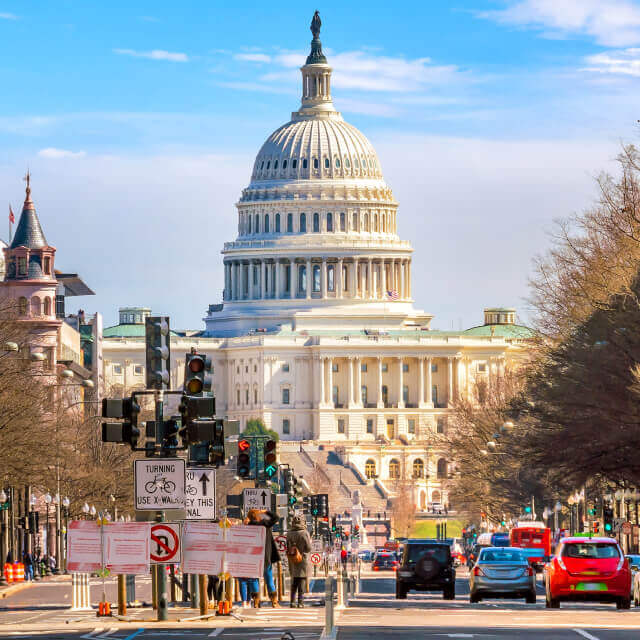
Freeway can help Washington drivers compare car insurance coverage options from multiple insurance companies. You can review available options for minimum liability, broader protection, and optional coverages to suit your needs and budget.
Request a quote online, call 800-777-5620 to speak with an agent, or find a local Freeway office near you. Compare your options and choose coverage that fits your situation.




By clicking Start Quote, I agree to the Privacy Policy and Terms of Use, which affect my rights.
By clicking Start Quote, I agree to the Privacy Policy and Terms of Use, which affect my rights.