
Cheap Car Insurance in Ohio: Rates, Requirements, and Coverage Options
The average cost of car insurance in Ohio is $99 per month for liability coverage and $200 per month for full coverage.
By clicking Start Quote, I agree to the Privacy Policy and Terms of Use, which affect my rights.

More Than 200 Companies, All in One Place.


Ohio Auto Insurance at a Glance
Before you hit the road, here’s a rundown of key auto insurance and financial responsibility requirements in Ohio.
| Ohio Auto Insurance Fact | Detail |
|---|---|
| Average minimum-liability premium in Ohio | $99/month |
| Average full-coverage premium in Ohio | $200/month |
| Cheapest major Ohio city for car insurance | Dayton ($94/month liability coverage) |
| Most expensive major Ohio city for car insurance | Youngstown ($112/month liability coverage) |
| Ohio minimum liability requirements | 25/50/25 |
| Ohio insurance fault system | At-fault state |
Data Refreshed as of September 2026. Freeway’s insights are based on monthly premiums from over 1 million actual policies purchased under real underwriting conditions, not quotes or estimates. See our methodology for details.
Find Affordable Car Insurance in Ohio
Driving conditions can vary widely across Ohio, from congested highways around Columbus, Cleveland, and Cincinnati to snow, ice, and changing road conditions during the winter months. Those differences, along with where you live and how often you drive, can influence the type of coverage that makes sense for you.
Freeway works with 200+ insurance companies nationally, helping Ohio drivers compare available options based on their needs and budget. Our agents can explain coverage differences, review potential discounts, and help you balance affordability with the protection you need.
How Much Is Car Insurance in Ohio?
Car insurance costs in Ohio can vary based on your location, driving record, vehicle, coverage choices, and other rating factors. Drivers in larger metro areas may see different premiums than those in smaller cities or rural communities because traffic patterns, accident frequency, theft rates, and local repair costs can all affect pricing. Comparing car insurance quotes can help you understand what drivers typically pay, but your actual rate will depend on your individual circumstances and the insurance company you choose.
Getting a Free Auto Insurance quote with Freeway is easy!
Average Cost of Car Insurance in Ohio
The chart below compares our customers’ average monthly premiums for minimum liability and full coverage in Ohio with national averages. This comparison helps show how Ohio’s insurance costs measure up across different coverage levels. While statewide averages provide a useful starting point, the amount you pay will depend on your driving profile, insurer, and coverage selections.
| Location | Min. Liability Avg. Monthly Premium | Full Coverage Avg. Monthly Premium |
|---|---|---|
| Ohio | $99 | $200 |
| National Average | $114 | $213 |
Data Refreshed as of September 2026. Freeway’s insights are based on monthly premiums from over 1 million actual policies purchased under real underwriting conditions, not quotes or estimates. See our methodology for details.
Minimum-Liability Insurance in Ohio
Ohio requires minimum liability limits of 25/50/25. A qualifying liability policy must provide $25,000 in bodily injury liability per person, $50,000 in bodily injury liability per accident, and $25,000 in property damage liability per accident.
These limits satisfy Ohio’s legal minimum for liability coverage, but drivers can purchase higher limits for additional financial protection. Liability coverage typically covers damage or injuries you cause to another party. You must also purchase collision and comprehensive coverage if you want coverage for damage to your own vehicle from collision and non-collision losses.
Full Coverage Insurance in Ohio
A full-coverage insurance plan generally includes collision and comprehensive coverage in addition to the liability coverage required to drive legally in Ohio. It can provide broader protection for your own vehicle, not just damage or injuries you cause to others.
Collision coverage can help pay to repair or replace your vehicle after a crash. In contrast, comprehensive coverage can help with non-collision losses such as theft, vandalism, fire, severe weather, or falling objects. Ohio doesn’t require drivers to carry collision or comprehensive coverage, but a lender or leasing company may require both until the vehicle is paid off or the lease ends.
Car Insurance Rates by Age in Ohio
Many insurance companies consider a driver’s age when calculating auto insurance premiums. Younger drivers often have less driving experience, so they are typically considered a higher risk than older drivers. Older drivers may have different premiums based on age and driving experience.
We’ve compiled average premiums for liability and full-coverage auto policies by age.
| By Age Range | Min. Liability Avg. Monthly Premium | Full Coverage Avg. Monthly Premium |
|---|---|---|
| 18-25 | $141 | $274 |
| 26-30 | $104 | $219 |
| 31-40 | $91 | $200 |
| 41-50 | $82 | $178 |
| 51-60 | $78 | $164 |
| 60+ | $85 | $163 |
Data Refreshed as of September 2026. Freeway’s insights are based on monthly premiums from over 1 million actual policies purchased under real underwriting conditions, not quotes or estimates. See our methodology for details.
Car Insurance Costs by City in Ohio
Where you live can impact car insurance pricing. Drivers in major metropolitan areas may encounter different traffic patterns, accident frequency, and vehicle theft risks than those in smaller cities or rural communities.
The chart below compares average monthly premiums across Ohio cities for minimum liability and full coverage. These figures can help you understand local pricing differences, although your actual premium will depend on your individual driving profile and insurance company.
| City | Min. Liability Avg. Monthly Premium | Full Coverage Avg. Monthly Premium |
|---|---|---|
| Akron | $104 | $204 |
| Bedford | $95 | $212 |
| Canal Winchester | $93 | $196 |
| Canton | $94 | $189 |
| Cincinnati | $110 | $225 |
| Cleveland | $101 | $219 |
| Columbus | $108 | $217 |
| Dayton | $94 | $197 |
| Euclid | $99 | $214 |
| Hamilton | $89 | $193 |
| Kent | $80 | $163 |
| Lima | $87 | $167 |
| Mansfield | $80 | $157 |
| Maple Heights | $102 | $217 |
| Middletown | $92 | $162 |
| Reynoldsburg | $106 | $207 |
| Springfield | $75 | $157 |
| Toledo | $110 | $214 |
| Warren | $90 | $178 |
| Youngstown | $112 | $212 |
Data Refreshed as of September 2026. Freeway’s insights are based on monthly premiums from over 1 million actual policies purchased under real underwriting conditions, not quotes or estimates. See our methodology for details.
Car Insurance Rates by Vehicle in Ohio
The vehicle sitting in your driveway matters when you request a car insurance quote. Insurance companies consider a vehicle’s value, repair costs, theft history, claims history, and safety features when determining rates. A family-friendly sedan or SUV may have lower rates than a sports car or a vehicle with high theft rates. We can help you compare rates for your vehicle.
| Vehicle | Min. Liability Avg. Monthly Premium | Full Coverage Avg. Monthly Premium |
|---|---|---|
| Chevrolet Cruze | $102 | $187 |
| Chevrolet Equinox | $96 | $182 |
| Chevrolet Malibu | $108 | $214 |
| Chevrolet Silverado | $91 | $200 |
| Chevrolet Tahoe | $96 | $203 |
| Dodge Charger | $139 | $247 |
| Ford Escape | $99 | $189 |
| Ford Explorer | $93 | $195 |
| Ford F-Series | $92 | $180 |
| Ford Fusion | $106 | $211 |
| Honda Accord | $100 | $211 |
| Honda Civic | $104 | $225 |
| Hyundai Elantra | $109 | $219 |
| Hyundai Sonata | $108 | $197 |
| Kia K5 | $100 | $198 |
| Nissan Altima | $110 | $229 |
| Nissan Rogue | $100 | $208 |
| Nissan Sentra | $107 | $250 |
| Toyota Camry | $94 | $210 |
| Toyota Corolla | $97 | $176 |
Data Refreshed as of September 2026. Freeway’s insights are based on monthly premiums from over 1 million actual policies purchased under real underwriting conditions, not quotes or estimates. See our methodology for details.
Local Factors That Affect Ohio Car Insurance
Ohio has a mix of rural, suburban, and urban communities, which can affect driving conditions. A driver in downtown Cleveland may encounter different traffic and road conditions than someone commuting from a rural community outside of Athens. Cincinnati drivers may experience more hills and potholes than someone traveling across the flat northwestern part of Ohio.
- Major travel corridors: Ohio is crossed by several heavily traveled highways, including I-70, I-71, I-75, I-80/I-90, and the Ohio Turnpike. I-71 links Cleveland, Columbus, and Cincinnati, while I-75 runs through Dayton and Toledo. Higher traffic volumes and more time spent on busy roadways can increase accident exposure and may contribute to higher insurance rates in some areas.
- Winter weather: Lake Erie brings weather-related road challenges, especially during the winter. Drivers in northern Ohio may experience lake-effect snow, which can make driving difficult. This type of weather can occur across the Cleveland-area snowbelt, with significant accumulations possible in northeast Ohio.
- Severe weather: Thunderstorms, hail, flooding, severe winds, and tornadoes can cause vehicle damage across Ohio. While weather conditions alone don’t determine your premium, comprehensive coverage may help protect your vehicle against certain weather-related losses that minimum liability insurance doesn’t cover.
- Rural roads and wildlife: Drivers in southeastern Ohio and other rural communities may encounter winding roads, limited lighting, and deer crossings. Comprehensive coverage generally helps pay for damage from striking an animal, while collision coverage may apply to damage from hitting another object while avoiding an animal.
Ways to Save on Car Insurance in Ohio
Ohio drivers can potentially lower policy costs and get cheap car insurance by comparing quotes and reviewing discounts. The lowest premium isn’t always the best value, so it’s important to consider both price and protection when evaluating policies.
Compare Car Insurance Quotes
Insurance companies use different underwriting formulas for coverage, so your rates may vary. That’s why it’s important to compare policies if you want affordable coverage. When you compare coverage options, our local agents can help you review similar policies. We can help you compare the same liability limits, deductibles, comprehensive and collision coverage, and other important policy features.
Your ZIP code, annual mileage, vehicle use, household drivers, driving history, and vehicle information may all impact your quote. Our Freeway agents can help you confirm that your information is accurate when you compare multiple policies.
Look for Car Insurance Discounts
Discount eligibility depends on the insurance company and whether you meet the program’s requirements. Our agents can help you find qualifying discounts based on the following criteria:

Safe-driver discounts: Drivers with a clean driving record may qualify.

Multi-vehicle discounts: Households insuring multiple eligible vehicles may qualify for savings.

Good student discounts: Some insurance companies offer discounts for students who meet specific academic requirements.

Defensive-driving discounts: Some insurance companies offer discounts when drivers complete an approved defensive-driving or driving-safety course.

Automatic payments or paperless discounts: We can help you find insurance providers that offer discounts for electronic payments or paperless billing.

Senior defensive-driving discounts: Ohio drivers age 60 and older may qualify for an insurance discount after completing an approved accident-prevention course. Eligibility and savings depend on meeting Ohio’s requirements. Our agents can help you review available discounts and determine whether you qualify.
Not every insurance company offers every discount, so keep that in mind when you compare plans with our agents. Qualifying for one discount doesn’t guarantee a specific savings amount. We can help you determine which programs a current or potential policy offers.
Choose Coverage and Deductibles Carefully
Your deductible is the amount you pay toward a covered claim before the auto insurer pays the remaining covered amount. Choosing a higher deductible can often reduce your policy’s premium, but you will typically pay more out of pocket for a covered claim.
Ohio’s minimum liability coverage helps satisfy the state’s legal requirement for drivers, but it’s not the right option for everyone. Drivers may prefer higher limits or additional coverage, such as collision and comprehensive, depending on their unique needs.
Bundle Your Insurance
If you have multiple insurance needs, combining eligible policies with the same insurance company may make sense. You may find it’s easier to manage your policies. You may also qualify for a multi-policy discount.
Think about bundling your auto insurance with a homeowners, renters, motorcycle, or other eligible policy. Bundling isn’t always the least expensive option, so compare your policies before making a change.

Find an office near you to help with your auto insurance
Why Do Car Insurance Rates Vary in Ohio?
Two Ohio drivers can live in the same city, drive similar cars, and still receive different auto insurance quotes. That’s because car insurance companies consider a combination of information when providing coverage.
- Driving history: Tickets, accidents, insurance claims, and other driving-related incidents may affect pricing. Insurance companies may consider the type, severity, and recency of an incident.
- Age and driving experience: Insurance companies may use age as an indicator of driving experience and risk. Some insurers may offer reduced rates to older drivers or to drivers with years of experience.
- Location: Insurance companies often evaluate factors associated with different ZIP codes, including claims patterns, traffic conditions, vehicle theft, and other local characteristics.
- Vehicle make and model: Your vehicle’s make and model can impact your rate. Different vehicles can have different repair costs, values, theft patterns, and claims histories.
- Coverage choices: Higher liability limits and optional comprehensive or collision coverage generally provide more protection, but they can increase your premium.
- Mileage and vehicle use: Insurance companies may ask about mileage and whether you use your vehicle for business or pleasure. Someone driving a few miles a week may have a different insurance profile than someone with a long daily commute.
- Credit-based insurance information: Ohio insurance companies may also use credit-based insurance information when permitted under state guidelines.
- Insurance company and discounts: Your insurance company, driving history, and eligible discounts can all affect your auto insurance premium.
Car Insurance Requirements in Ohio
Vehicle owners must maintain proof of financial responsibility throughout the registration period; non-owner drivers must maintain proof of financial responsibility for their operation of the vehicle. The state’s minimum liability limits are 25/50/25.
| Coverage | Ohio Minimum Requirement |
|---|---|
| Bodily injury liability (per person) | $25,000 |
| Bodily injury liability (per accident) | $50,000 |
| Property damage liability (per accident) | $25,000 |
| Personal injury protection (PIP) | Not required |
| Uninsured/underinsured motorist coverage (UM/UIM) | Not required |
Ohio is an at-fault state, so the driver responsible for an accident may be liable for resulting injuries and property damage. Ohio does not require uninsured or underinsured motorist coverage, though these options may be available for added protection. Drivers can also use electronic proof of insurance, and lenders or leasing companies may require collision and comprehensive coverage even though the state does not.
What Happens If You Drive Uninsured in Ohio?
Ohio drivers must maintain proof of financial responsibility when operating a vehicle. Failing to meet this requirement can lead to a noncompliance suspension and additional steps to reinstate driving privileges.
| Offense | Penalty |
|---|---|
| First offense | Suspension remains until reinstatement requirements are met; SR-22 bond and a reinstatement fee generally apply |
| Second offense within one year | One-year suspension, plus applicable SR-22 bond and reinstatement requirements |
| Third offense within one year | Two-year suspension, plus applicable SR-22 bond and reinstatement requirements |
| Valid coverage existed at the time | Suspension may be removed if acceptable proof is provided to the Ohio Bureau of Motor Vehicles |
For a first noncompliance offense added to the driver’s record on or after April 9, 2025, the Ohio BMV generally requires an SR-22 or qualifying certificate of financial responsibility for one year, along with a reinstatement fee. Earlier offenses may have longer filing requirements. Uninsured drivers who cause a crash may also face separate security suspension and additional reinstatement requirements.
Car Insurance Options for Different Types of Ohio Drivers
Ohio drivers all have different driving histories and coverage needs. A new driver in Columbus, a retiree in Toledo, a delivery driver in Cincinnati, and someone who requires an SR-22 may all want different policies. We can help you compare coverage options for your lifestyle. Our agents are well-versed in the factors that influence car insurance rates in Ohio.
Car Insurance for Drivers with a Clean Record
A clean driving history may help you qualify for certain insurance discounts or carrier programs. Eligibility depends on the insurer’s requirements.
That doesn’t mean a driver with years of safe driving should automatically stick with the same policy. Your vehicle, mileage, ZIP code, household drivers, and coverage needs can change over time, so ask us if you need an updated quote. It’s also worth reviewing liability limits and deductibles periodically to make sure the policy fits your current circumstances.
Car Insurance for Young and Teen Drivers
Adding a teen driver can change your household’s auto insurance cost, and you may also want to increase coverage levels. Young drivers generally have less experience, and insurance companies may take that into account when calculating premiums.
Families can ask about good-student, driver-training, or other discounts that may be available from an insurance company. The vehicle a teen drives also impacts rates, so consider safety features, repair costs, vehicle value, and how often the car will be used.
Car Insurance for Senior Drivers
Older Ohio drivers may have different insurance needs as their driving habits change. Someone who retires or lives in a senior living facility may drive considerably fewer miles than they did while commuting to work.
Reviewing annual mileage and asking about available low-mileage or other qualifying discounts can be beneficial. Drivers can also review their liability limits, deductible, and comprehensive and collision coverage with our team.
Car Insurance After a Ticket or Accident
A ticket or accident can affect insurance pricing and carrier availability, but the impact depends on the circumstances. Insurers may consider the type of violation, whether the driver was at fault, the severity of the incident, how recently it happened, and the driver’s full record.
Shopping around after an incident can help you understand your available options. Our Freeway Insurance agents are here to help you compare coverage options.
Car Insurance After a DUI
Operating a vehicle under the influence is usually known as an OVI rather than a DUI in Ohio. An OVI can have consequences for driving privileges and insurance. OVI-related suspensions have specific reinstatement requirements. Depending on the type of suspension, drivers may need to serve a suspension period, pay reinstatement fees, and provide proof of insurance.
Insurance costs and available carriers can also change after an OVI. Drivers dealing with an OVI should confirm individual reinstatement requirements with the Ohio BMV.
SR-22 Insurance in Ohio
An SR-22 isn’t a separate insurance policy. It’s a filing that shows you meet Ohio’s financial responsibility requirements.
A first noncompliance offense generally requires an SR-22 for one year. Additional offenses may also require an SR-22 along with other suspension or reinstatement requirements. Your insurance company typically files the form with the state, and you must maintain the required coverage for the full filing period.
Car Insurance After a Lapse in Coverage
A lapse in auto insurance can affect your future insurance options, discounts, and premiums. It can also create a financial responsibility problem under Ohio law if you are required to provide proof of coverage.
Contact an insurance company before driving again, and provide accurate information about when the previous policy ended. We can help you explore available coverage options if you are uninsured.
Car Insurance for Multi-Car Households
Households with two or more vehicles can chat with our agents about multi-vehicle discounts. Combining eligible vehicles on one policy may simplify payments and policy management. Your household may also qualify for savings.
Make sure your insurance company has accurate information about the vehicles and regular drivers in your household. A family sedan, pickup truck, teen’s vehicle, and recreational vehicle can have different coverage needs depending on how they’re used.
Helpful Car Insurance Resources for Ohio Drivers
- How to Shop for Car Insurance: Tips for comparing coverage, rates, and insurance companies when shopping for a policy.
- Auto Insurance 101: An overview of common auto insurance coverages and how policies work.
- Auto Insurance FAQ: Answers to common questions about auto insurance coverage, rates, and policies.
- Auto Insurance Claims: Guidance on what to expect when filing and handling an auto insurance claim.
- High-Risk Auto Insurance: Information about coverage options for drivers with more complex driving histories.
Frequently Asked Questions About Car Insurance in Ohio
Is Ohio a no-fault or at-fault state?
Ohio is an at-fault state. If you cause a car accident, you can be held responsible for injuries and property damage associated with the wreck. Liability insurance can help cover the cost of injuries and other approved damages.
Does Ohio require an SR-22 after a DUI?
An OVI does not automatically require every Ohio driver to file an SR-22. Reinstatement requirements depend on the circumstances of the suspension and the driver’s record. Drivers should confirm their individual requirements with the Ohio Bureau of Motor Vehicles before arranging coverage.
Does Ohio require uninsured motorist coverage?
No. Ohio does not require uninsured motorist coverage, but you must maintain proof of financial responsibility as required by Ohio law. Consider adding uninsured motorist coverage for additional protection if you’re injured by a driver who has no insurance.
How can I lower my car insurance rate in Ohio?
Freeway Insurance can help you compare insurance quotes and look for an affordable provider. You may be eligible for discounts, such as a safe driving discount or a good student discount. Having a clean driving record can also help reduce your rates.
Does Ohio car insurance cover damage from hitting a deer?
Damage from hitting a deer is generally covered by comprehensive insurance, subject to your policy’s deductible and terms. Ohio’s minimum liability coverage does not pay for damage to your own vehicle. Drivers who regularly travel rural roads may want to consider comprehensive coverage when comparing policies.
Does car insurance cover snow and ice damage in Ohio?
Coverage depends on how the damage occurs. Collision insurance generally helps pay for damage to your vehicle if you slide on an icy Ohio road and hit another vehicle or object. Comprehensive insurance may cover non-collision damage, such as a falling tree branch during a winter storm. Both are optional coverages under Ohio law.
What happens if I can’t show proof of insurance in Ohio?
Ohio drivers must be able to demonstrate financial responsibility when required. Failing to provide proof of insurance during a traffic stop or after an accident can result in a noncompliance suspension. If you had valid coverage at the time, you may be able to have the suspension removed by providing acceptable proof to the Ohio BMV.
Can Ohio drivers get car insurance after a license suspension?
Insurance options may be available after a license suspension, depending on your driving record and the insurance company. Some Ohio suspensions require an SR-22 filing before driving privileges can be reinstated. Freeway agents can help you compare available coverage options and determine whether an insurer can provide the required filing.
Sources
- Ohio Revised Code Section 4509.01 — Financial Responsibility Definitions
- Ohio Bureau of Motor Vehicles — Non-Compliance Suspension
- Ohio Bureau of Motor Vehicles — First Offense OVI Suspension
- Ohio Revised Code Section 4509.101 — Operating Without Proof of Financial Responsibility
- Ohio Revised Code Section 3937.18 — Uninsured and Underinsured Motorist Coverage
Get an Auto Insurance Quote in Ohio
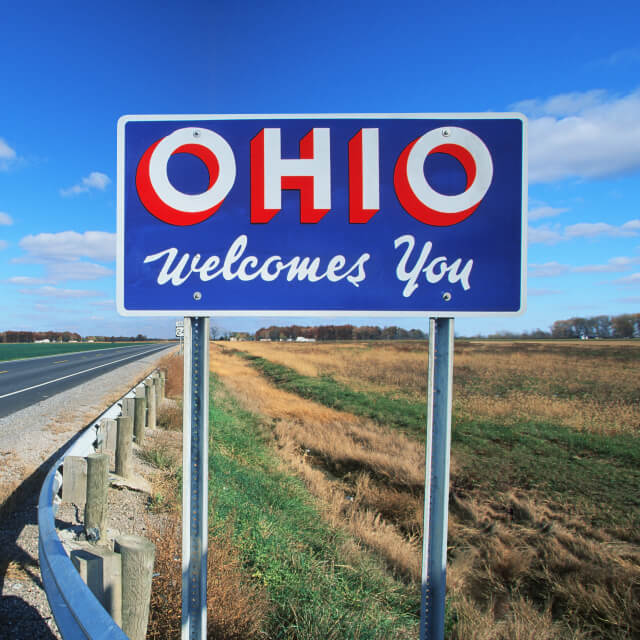
Having the right insurance policy can help protect you in the event of a covered incident. Our local Freeway agents can help you compare affordable insurance options for your lifestyle. Request an online quote today, contact our agents by phone at (800) 777-5620, or visit a local Freeway office.
Auto Insurance Info by City

Toledo

Akron

Ashland

Ashtabula

Athens

Bellefontaine
Bucyrus
Cambridge
Canal Winchester

Canton

Celina

Chillicothe

Cleveland

Columbus

Dayton

Defiance

Dover

Euclid

Findlay

Fremont
Greenville

Hamilton

Jackson

Lima

Mansfield

Marietta

Marion

Middletown

Mount Vernon

New Philadelphia

Norwalk

Portsmouth

Salem

Sandusky

Sidney

Springfield

Tiffin

Urbana

Van Wert

Wooster

Zanesville
By clicking Start Quote, I agree to the Privacy Policy and Terms of Use, which affect my rights.
By clicking Start Quote, I agree to the Privacy Policy and Terms of Use, which affect my rights.