
Cheap Car Insurance in Pennsylvania
By clicking Start Quote, I agree to the Privacy Policy and Terms of Use, which affect my rights.

More Than 200 Companies, All in One Place.





Low‑Cost Auto Coverage You Can Trust in Pennsylvania
Driving in the Keystone State comes with a wide range of conditions—from congested city streets in Philadelphia and Pittsburgh to rural highways, mountain roads, and winter weather that can make driving unpredictable. Because car insurance is mandatory in Pennsylvania, having reliable coverage isn’t just a legal requirement—it’s essential financial protection.
Pennsylvania drivers also face unique insurance decisions due to the state’s no-fault system, which allows motorists to select limited tort or full tort coverage. These choices, along with differences in traffic density and weather risks across cities, can cause insurance costs to vary significantly. The good news is that drivers can still find cheap car insurance in Pennsylvania by comparing rates, understanding coverage options, and choosing policies that meet Pennsylvania car insurance requirements without overpaying. Freeway Insurance helps simplify the process by comparing options from multiple carriers to find affordable auto insurance that fits your needs.
Quick Facts
Here are a few Pennsylvania-specific facts that help explain how insurance rates are priced across the state:
- Pennsylvania uses a no-fault system: Drivers choose between limited tort and full tort coverage, which directly affects premiums and the right to sue after an accident.
- Crash rates vary widely by region: Dense urban areas like Philadelphia experience higher accident and theft rates, while rural areas face risks tied to speed and winter road conditions.
- Winter weather impacts claims: Snow, ice, and freezing temperatures contribute to more collisions and vehicle damage, increasing claim frequency during colder months.
What Drivers Pay for Car Insurance in Pennsylvania
The average car insurance cost in Pennsylvania is slightly below the national average, but prices can vary widely depending on where you live and how you drive. On average, full coverage Pennsylvania rates are about $2,200 per year, or roughly $183 per month. Nationwide, full coverage averages closer to $2,700 per year, making Pennsylvania more affordable than many states.
For minimum coverage, liability-only insurance Pennsylvania averages around $650 per year, or approximately $54 per month. The national average for minimum liability coverage is about $820 per year, meaning Pennsylvania drivers generally pay less for basic coverage than drivers in many other states.
Premiums vary across Pennsylvania due to population density in metro areas, winter weather that increases accident risk, and local claim patterns. Urban traffic congestion, combined with higher repair and medical costs, can push rates up in certain regions, while less densely populated areas often see lower premiums.
Comparing Full Coverage and Minimum Insurance in Pennsylvania
Choosing between full coverage and minimum liability insurance is an important decision for Pennsylvania drivers because it directly affects both monthly costs and financial protection after an accident. While minimum coverage may seem appealing due to its lower price, full coverage often provides greater peace of mind—especially in a state with variable weather, urban congestion, and a choice no-fault system.
Understanding how each option works can help you select coverage that fits your budget while still protecting you from unexpected expenses.
What Full Coverage Includes
Full coverage combines multiple types of insurance into one policy, offering broader protection for a wider range of situations. While not required by Pennsylvania law, it is commonly chosen by drivers who want stronger financial safeguards.
- Liability coverage: Pays for injuries and property damage you cause to other people in an at-fault accident, helping cover medical bills, repairs, and legal expenses.
- Collision coverage: Helps pay to repair or replace your vehicle after a crash, regardless of who caused the accident. This can be especially valuable in high-traffic areas or during winter driving conditions.
- Comprehensive coverage: Covers non-collision events such as theft, vandalism, falling objects, fire, animal strikes, or weather-related damage like hail or flooding.
Drivers with financed or leased vehicles are typically required by lenders to carry full coverage until the loan is paid off. Even drivers who own their vehicles outright may choose full coverage to avoid paying out of pocket for costly repairs or total vehicle loss.
What Liability-Only Insurance Includes
Minimum liability insurance meets Pennsylvania’s legal requirements but provides limited protection. This type of policy pays only for injuries or property damage you cause to others in an accident.
Liability-only coverage does not pay for repairs to your own vehicle, medical expenses for you or your passengers, or damage caused by theft or severe weather. While this option usually results in lower monthly premiums, it can leave drivers financially exposed after a serious accident—especially if repair costs, medical bills, or lawsuits exceed policy limits.
Drivers with older vehicles or tight budgets may choose liability-only insurance, but it’s important to weigh the potential savings against the financial risk of paying out of pocket after a loss.
Average Monthly Cost Comparison:
| Coverage Type | Average Monthly Cost |
|---|---|
| Full Coverage | $183 |
| Minimum Liability | $54 |
Auto Insurance Rates in Major Pennsylvania Cities
Car insurance rates by city in Pennsylvania can differ significantly based on traffic levels, theft rates, and population density. Larger metro areas typically have higher premiums due to increased claim frequency.
Here are average monthly car insurance rates by major Pennsylvania cities:
| City | Full Coverage Insurance | Liability Insurance Coverage |
|---|---|---|
| Philadelphia | $245 | $78 |
| Pittsburgh | $190 | $62 |
| Allentown | $175 | $55 |
| Reading | $205 | $70 |
Unless otherwise specified, we use the following methodology to arrive at our average cost: male, age 30, lowest possible legal coverage allowed by state. Your rates will be determined by several factors, including your age, your gender and the amount of coverage you want to purchase.
Drivers in cities with heavier congestion and higher theft rates tend to pay more, while suburban and rural areas often see lower insurance costs.
Ways to Save on Pennsylvania Car Insurance
Many Pennsylvania drivers qualify for car insurance discounts that can meaningfully reduce insurance costs. Savings opportunities may include:
- Good driver discount: Rewards a clean driving record with lower premiums.
- Defensive driving discount: Offers savings for completing an approved driving course.
- Good student discount: Helps younger drivers save when they maintain strong grades.
- Multi-policy discount: Reduces costs when bundling auto insurance with renters or homeowners coverage.
- Multi-car discount: Lowers rates for insuring multiple vehicles on one policy.
- Paperless billing discount: Provides savings for enrolling in electronic statements and automatic payments.
Discounts can often be combined. Comparing multiple quotes is the best way to maximize savings and secure the most affordable coverage available.
Getting a Free Auto Insurance quote with Freeway is easy!
Pennsylvania Auto Insurance Laws and Regulations
State law requires all drivers to carry state-required auto insurance Pennsylvania in order to legally operate a registered vehicle. These rules are designed to ensure drivers can pay for medical treatment, injuries, and property damage after a car accident. Unlike many states, coverage rules here are structured around a choice no-fault system, which gives drivers flexibility in how much protection they want and how their legal rights work after a crash.
Understanding how these insurance laws work can help drivers meet legal requirements while avoiding unexpected financial strain following an accident.
Minimum Auto Insurance Requirements
Drivers must carry at least the following minimum coverage to remain compliant with Pennsylvania law:
| Coverage | Minimum Limit |
|---|---|
| Bodily Injury Liability | $15,000 per person / $30,000 per accident |
| Property Damage Liability | $5,000 per accident |
| First-Party Medical Benefits | $5,000 |
These limits represent the minimum level of coverage allowed. While they make driving legal, they may not fully cover the cost of serious accidents, especially when medical bills or vehicle repairs are significant.
What Each Required Coverage Provides:
- Bodily Injury Liability
Covers medical expenses, lost wages, and legal costs for people injured in an accident you cause. If injuries exceed your coverage limits, you may be personally responsible for the remaining costs. - Property Damage Liability
Pays for damage you cause to another person’s vehicle or physical property, such as cars, fences, buildings, or roadside structures. Because the required limit is relatively low, repair costs can exceed coverage quickly in multi-vehicle crashes. - Personal Injury Protection
Covers medical expenses for you and your passengers regardless of who caused the accident. This allows medical bills to be paid promptly without waiting for fault to be determined.
Understanding the Choice No-Fault System:
Drivers are required to choose between limited tort and full tort coverage when purchasing an auto insurance policy. This decision affects both monthly premiums and the ability to pursue legal claims after an accident.
- Limited Tort
Usually results in lower insurance premiums but restricts the right to sue an at-fault driver for pain and suffering. Lawsuits are still allowed in cases involving serious injury, but routine injury claims are limited. - Full Tort
Costs more upfront but preserves full legal rights, allowing drivers to sue for pain and suffering regardless of injury severity.
This choice plays a major role in how much drivers pay for insurance and how protected they are financially and legally after a crash.
Why Many Drivers Choose More Than the Minimum:
Although minimum coverage meets legal standards, many drivers opt for higher liability limits or additional coverage. Medical care, vehicle repairs, and legal expenses can quickly exceed minimum limits, particularly in high-traffic areas or severe collisions. Choosing higher coverage levels can provide added financial security and reduce the risk of paying significant out-of-pocket costs after an accident.
Pennsylvania Penalties for Uninsured Drivers
Driving without auto insurance in Pennsylvania can lead to immediate and costly consequences. State law requires all registered vehicles to maintain continuous coverage, and even a short lapse can trigger penalties. While Pennsylvania does not use an SR-22 filing requirement, uninsured drivers may still face fines, suspensions, and reinstatement fees before they are legally allowed back on the road.
Drivers who are caught without insurance—or whose policy lapses—may face a $300 civil penalty, along with a three-month suspension of both their vehicle registration and driver’s license. To restore driving privileges, drivers must provide proof of new insurance and pay reinstatement fees, which typically range from $25 to $100 for registration and additional fees for license restoration. These costs can add up quickly, especially when combined with towing, impound, or administrative fees.
Unlike some states, Pennsylvania does not require an SR-22 after an insurance violation. However, this does not reduce the financial impact of a lapse. Drivers must still maintain continuous coverage going forward, and repeated violations can result in longer suspensions and higher overall costs.
Example Scenario:
Even a one-day lapse in coverage can trigger a penalty. For example, if your policy expires on a Friday and is not renewed until Monday, you could still face a registration and license suspension. Before driving again, you would need to pay reinstatement fees and submit proof of active insurance. Maintaining uninterrupted coverage is the best way to avoid fines, suspensions, and delays in getting back on the road.
Key Factors That Impact Pennsylvania Auto Insurance Costs
Auto insurance rates in Pennsylvania vary widely because insurers evaluate multiple details about each driver, vehicle, and location. These factors help determine how likely a claim is to occur and how costly that claim could be.
Common factors that impact auto insurance costs in Pennsylvania include:
- Driving record: Drivers with accidents, speeding tickets, or other violations usually pay more because insurers view them as higher-risk drivers.
- Location: Drivers in densely populated or high-traffic areas often pay higher premiums due to increased accident and theft rates.
- Credit score: Drivers with low credit scores typically pay more because insurers associate lower scores with a higher likelihood of filing claims.
- Vehicle type: Newer, luxury, or high-performance vehicles cost more to insure due to higher repair and replacement costs.
- Coverage choices: Higher liability limits, added coverage options, and lower deductibles increase premiums because the insurer is taking on more financial risk.
- Age and driving experience: Younger and less-experienced drivers tend to pay higher rates due to increased crash frequency in these groups.
- Annual mileage: Drivers who spend more time on the road may pay more because increased driving raises the chance of an accident.
Because these factors differ from one driver to the next, auto insurance pricing in Pennsylvania is highly individualized. Comparing personalized quotes is the most reliable way to understand your true cost and find coverage that balances affordability with protection.

Find an office near you to help with your auto insurance
How Many Car Accidents Happen in Pennsylvania?
In 2023, the Pennsylvania Department of Transportation reported 110,382 crashes with 66,546 injuries. In the majority of crashes, driver error was at fault, including speeding, drinking, improper turning, distracted and drowsy driving and tailgating.
Pennsylvania ranks among the states with higher total crash volumes due to population size and roadway usage. Serious accidents are more common in large metro areas such as Philadelphia and Pittsburgh, where congestion, commuting traffic, and complex road systems increase collision risk. Winter weather also contributes to accident frequency, as snow, ice, and reduced visibility lead to more crashes during colder months.
Higher accident rates result in more insurance claims for medical care, vehicle repairs, and liability costs, which insurers factor into premium pricing—particularly in urban and high-traffic regions.
How Many Uninsured/Underinsured Motorists are in Pennsylvania?
Pennsylvania has a lower uninsured motorist rate than many states, estimated at under 7%, which helps limit some of the upward pressure on insurance premiums. When more drivers carry insurance, insurers face fewer unpaid claims, which can help keep average rates more stable.
However, underinsured driving still exists, meaning some at-fault drivers may not carry enough coverage to fully pay for damages after a serious accident, illustrating why uninsured motorist coverage (UMC) is important.
FAQs About Pennsylvania Car Insurance
I am a Low-Income Driver. What Can I Do About Getting the Cheapest Car Insurance in Pennsylvania?
Low-income drivers can still find affordable auto insurance by being intentional about coverage choices and comparison shopping. Rates can vary significantly between insurers, even for the same driver profile, so comparing quotes is one of the most effective ways to lower costs. Many drivers also qualify for discounts such as good driver, multi-policy, paperless billing, or defensive driving savings.
Choosing a vehicle that is less expensive to repair and insure can also help reduce premiums. While minimum coverage may lower monthly costs, it’s important to balance affordability with protection, since out-of-pocket expenses after an accident can be far more costly than maintaining adequate coverage.
Can an Undocumented Worker Get Cheap Car Insurance in Pennsylvania?
Pennsylvania does not issue driver’s licenses to undocumented residents, which means purchasing car insurance within the state is generally not possible without valid driving privileges. However, Pennsylvania does recognize active driver’s licenses and insurance policies issued by other states. Drivers who are legally licensed and insured elsewhere may be able to operate a vehicle in Pennsylvania under certain circumstances.
Because rules can vary based on residency and license status, speaking with a licensed insurance agent can help clarify available options and compliance requirements.
Is it Possible to Get Low-Cost Car Insurance in Pennsylvania With a DUI on My Record?
Drivers with a DUI conviction can still obtain car insurance in Pennsylvania, but premiums are typically higher due to increased risk. Unlike many states, Pennsylvania does not require an SR-22 filing after a DUI. However, drivers may face license suspension, reinstatement fees, and higher insurance costs.
Insurance rates after a DUI can vary widely by carrier, which makes comparing quotes especially important. Maintaining continuous coverage, avoiding additional violations, and allowing time to pass since the offense can help lower premiums over time.
How Can I Lower My Car Insurance Rates in Pennsylvania?
Drivers can often reduce their insurance costs by taking proactive steps. Comparing quotes regularly ensures you’re not paying more than necessary as rates change. Maintaining a clean driving record is one of the most effective long-term ways to keep premiums down. Bundling auto insurance with renters or homeowners coverage may also lead to meaningful savings.
Other cost-saving options include choosing digital billing, enrolling in autopay, completing a state-approved defensive driving class, and adjusting coverage levels to match your budget. Because insurance rates differ from one driver to the next, reviewing personalized quotes is the most effective way to uncover the lowest price.
Get an Affordable Pennsylvania Car Insurance Quote Online Today!
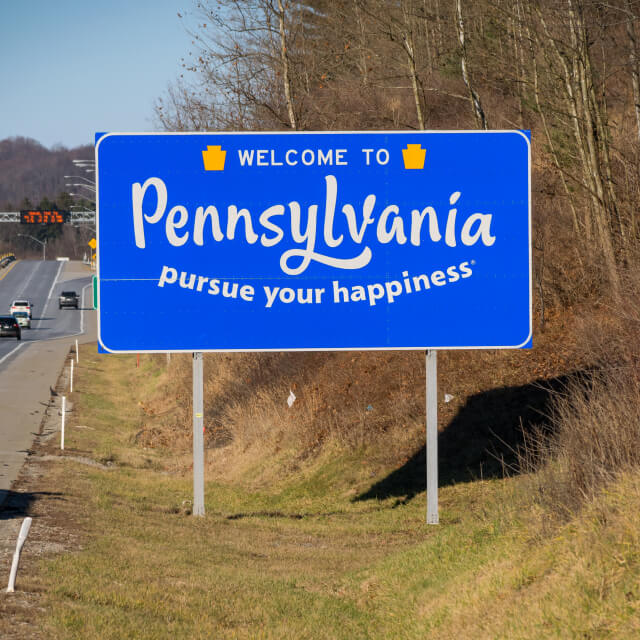
Auto insurance costs in Pennsylvania can vary widely, which is why taking time to compare your options matters. Whether your goal is lowering your monthly bill, adjusting your coverage, or meeting state insurance requirements, the right policy starts with informed choices.
With Freeway Insurance, you can get a quote online, visit a Pennsylvania location for personalized assistance, or talk directly with a licensed agent at 800-777-5620. Each option is designed to help you find coverage that fits both your budget and your lifestyle.
Reviewing rates today can help you avoid overpaying and give you peace of mind every time you drive.
Auto Insurance Info by City










By clicking Start Quote, I agree to the Privacy Policy and Terms of Use, which affect my rights.
By clicking Start Quote, I agree to the Privacy Policy and Terms of Use, which affect my rights.