
Cheap Car Insurance in Colorado
By clicking Start Quote, I agree to the Privacy Policy and Terms of Use, which affect my rights.

More Than 200 Companies, All in One Place.





Driving in Colorado can involve navigating busy urban interstate routes one day and winding mountain highway corridors the next. Between changing elevations, seasonal weather, and growing population centers, traffic flow and road conditions can vary widely across the state. Finding affordable car insurance in Colorado often means choosing coverage that reflects how and where you drive rather than simply selecting the lowest advertised premium.
As Colorado continues to grow, the state’s transportation network experiences heavy usage across major corridors connecting cities such as Denver, Colorado Springs, and Fort Collins. Freeway helps drivers compare policies from multiple car insurance companies in one place so they can stay informed about pricing differences while meeting Colorado’s minimum auto insurance requirements. Reviewing quotes side-by-side helps drivers maintain protection while managing monthly costs.
Auto insurance is legally required throughout the state, and maintaining continuous coverage helps drivers avoid fines, license suspensions, and costly repairs after accidents. Colorado law requires drivers to carry at least liability coverage to protect others from bodily harm or property damage they may cause. Freeway connects motorists with insurers offering flexible insurance policies, allowing drivers to adjust deductibles, billing plans, and coverage features depending on their needs. Comparing policies before choosing a plan can help drivers complete the entire process of selecting coverage with more confidence.
Your Guide to Affordable Auto Insurance in Colorado
Auto insurance in Colorado is mandatory, but the amount of protection drivers select often depends on personal finances, vehicle value, and driving patterns. Some drivers choose minimum limits to keep costs low, while others prefer broader policies that include collision coverage and comprehensive coverage for additional protection. Freeway works with a wide project team of car insurance providers so motorists can compare several policy options rather than relying on a single quote.
Selecting the right insurance policy early helps drivers avoid difficult financial decisions later if an accident occurs. As vehicle repair costs and medical expenses increase across the state, basic limits may not always cover the full cost of damage or injuries. Increasing coverage slightly each month can create a stronger financial buffer without dramatically affecting the monthly budget.
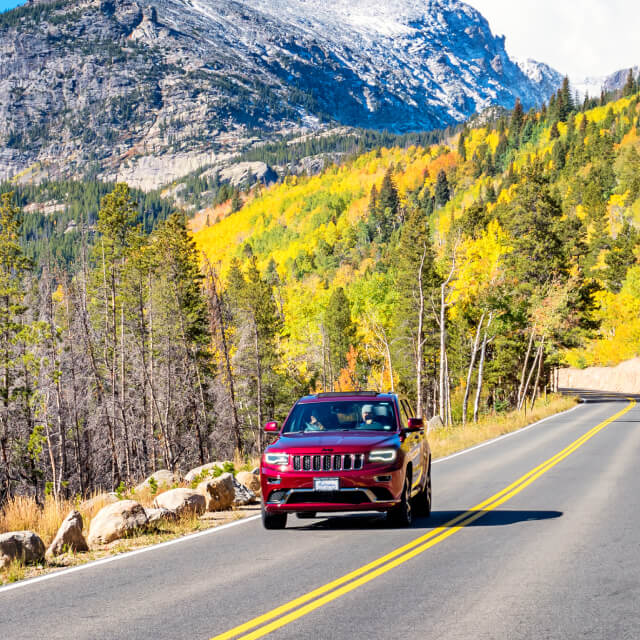
Drivers should also stay informed about how roadway conditions influence insurance risk and driving behavior. Mountain highways, changing road conditions during storms, and sharp roadway curves can affect accident likelihood. Reviewing policies annually helps drivers ensure their coverage continues to align with their driving habits and the evolving transportation environment across Colorado.
Quick Facts
- Colorado has just under 4 million licensed drivers, which increases roadway density and contributes to higher claim frequency in expanding metro areas.
- Approximately 19% of motorists are uninsured or underinsured, which influences premium averages and risk calculations.
- Severe hailstorms and winter snow events regularly lead to comprehensive insurance claims that affect statewide pricing.
- Mountain roads and elevation changes can increase accident likelihood due to sharp curves, reduced visibility, and weather variability.
These conditions help explain why the average cost of car insurance in Colorado can vary significantly
Car Insurance Costs in Colorado
The average car insurance cost in Colorado is about $3,100 per year for full coverage, which equals roughly $258 per month. Minimum liability coverage averages around $650 per year, or about $54 per month. These figures trend higher than the national midpoint largely because of frequent hail and snow-related claims, rising repair and medical expenses, and continued population growth along the Front Range. Urban congestion in cities such as Denver and Aurora also increases claim frequency, which insurers factor into statewide pricing models.
While these averages provide a useful benchmark, individual premiums still shift based on ZIP code, vehicle value, annual mileage, and driving history. Drivers in suburban or rural areas often see slightly lower monthly payments than those commuting daily through dense metro corridors. Comparing multiple car insurance companies remains one of the most dependable ways to find competitive full coverage Colorado rates or more budget-focused liability-only insurance options. Even modest deductible or discount changes can noticeably influence the final monthly amount.
Minimum Liability vs. Full Coverage Car Insurance in Colorado
Choosing between minimum liability and full coverage car insurance in Colorado affects both monthly costs and the level of financial protection after an accident. Liability-only insurance is designed to meet state legal requirements and pays for injuries or property damage you cause to others, but it does not cover repairs to your own vehicle. Full coverage adds collision coverage and comprehensive coverage, which helps pay for damage to your car from accidents, theft, weather, or vandalism. Many drivers compare both options side-by-side to balance affordability with the amount of risk they are comfortable carrying.
Liability-Only Insurance
Liability insurance helps pay for injuries or property damage you cause to other drivers in an at-fault accident. It does not cover repairs to your own vehicle, which is why it is generally the least expensive option available. Many motorists begin here to remain legally compliant while keeping premiums manageable. However, this trade-off means greater personal financial exposure if your vehicle is damaged or if losses exceed your limits. Reviewing your car insurance policy and coverage amounts annually helps ensure your limits still reflect current vehicle values and repair costs.
| Coverage Type | Estimate Monthly Cost |
|---|---|
| Liability-Only | $54 |
Full Coverage Insurance
Full coverage policies bundle several protections into one plan rather than covering only damage to others. Liability insurance handles injuries or property damage you cause, while collision coverage helps repair or replace your own car after a crash. Comprehensive coverage steps in for events that are not traffic collisions, such as theft, falling objects, wildfire smoke damage, or severe storms. Banks and leasing companies typically require this level of insurance until a vehicle is fully paid off. Even though the monthly cost is higher than minimum plans, many drivers choose full coverage for the added security and peace of mind it provides. Purchasing a comprehensive auto insurance coverage policy online allows drivers to customize protection levels and deductibles to fit their budget and driving habits, helping them save money while maintaining essential coverage.
| Coverage Type | Estimate Monthly Cost |
|---|---|
| Full Coverage | $258 |
Getting a Free Auto Insurance quote with Freeway is easy!
Major City Auto Insurance Rates in Colorado
Auto insurance pricing in Colorado is heavily influenced by where a driver lives and parks their vehicle each day. Insurers study local accident trends, theft reports, and average repair costs within specific neighborhoods rather than assigning one statewide price. This is why car insurance rates by city in Colorado can look very different between Denver, Boulder, or smaller mountain communities. Metropolitan areas along the Front Range often carry higher premiums because of heavier traffic flow and a greater number of filed claims, while rural regions may experience lower baseline costs. Reviewing quotes from several car insurance providers helps drivers see how location truly impacts monthly payments instead of relying on broad statewide averages.
| City | Full Coverage Avg. | Liability Avg. |
|---|---|---|
| Denver | $210 | $65 |
| Colorado Springs | $195 | $58 |
| Aurora | $200 | $62 |
| Boulder | $155 | $50 |
| Fort Collins | $150 | $48 |
Colorado Car Insurance Discount Eligibility
Lower insurance premiums are usually the result of a few practical adjustments working together instead of one dramatic price drop. Many drivers notice savings when they adjust billing methods, insure multiple vehicles, or maintain violation-free driving histories. Rechecking discount options each year is important because eligibility rules and life circumstances often change. Requesting fresh quotes from different insurers can also surface lower pricing that was not available at the previous renewal.
Typical Discount Opportunities
- Accident-free discount: applied after several years without at-fault claims.
- Bundling discount: savings when combining auto with renters or homeowners coverage.
- Low-mileage discount: available for drivers with shorter annual commutes.
- Electronic billing discount: small reductions for paperless statements or autopay.
- Safety equipment discount: offered for vehicles with alarms, airbags, or tracking systems.
Exploring multiple providers at once often reveals layered discounts that produce the most consistent long-term savings.

Getting a Free Auto Insurance quote with Freeway is easy!
Colorado Car Insurance Compliance Guidelines
In Colorado, financial responsibility after a crash falls on the driver who caused the incident, which is why maintaining active coverage is essential. Meeting state minimums for auto insurance keeps vehicles legally registered and avoids penalties tied to lapses. Many residents decide to carry limits above the baseline so a single accident does not strain personal savings or future income. Taking time to reassess coverage each year helps ensure protection levels keep up with vehicle values, healthcare expenses, and changing household needs.
Colorado Minimum Insurance Requirements (25/50/15)
- $25,000 bodily injury liability per person.
- $50,000 bodily injury liability per accident.
- $15,000 property damage.
What Colorado Drivers Face Without Insurance Coverage
Driving without insurance in Colorado can become expensive very quickly once penalties are added up. A first offense commonly brings fines between $500 and $1,000, license suspension for up to 8 months, and community service requirements of up to 40 hours. Before driving privileges are restored, motorists are typically required to file an SR-22 certificate and pay reinstatement fees that often range from $95 to $100 or more, depending on the situation. Additional violations can lead to license suspensions of up to 1 year, higher court fines, and continued SR-22 obligations for several years. Maintaining uninterrupted car insurance coverage is usually far less costly than facing these escalating legal and administrative expenses.
What Determines Auto Insurance Premiums in Colorado
Auto insurance premiums are not set from a single statewide chart, so even neighbors with nearly identical cars can see noticeably different monthly costs. Insurance companies build each quote using individual risk indicators rather than broad averages. Requesting updated quotes from more than one car insurance company is often the clearest way to see realistic pricing for your specific situation. Small personal details can shift premiums more than many drivers expect.
Common Pricing Factors
- Past violations or at-fault accidents.
- Where the vehicle is primarily garaged.
- Annual driving distance and commute length.
- Vehicle repair cost and safety ratings.
- Length of prior insurance history.
- Household driver count and experience level.
How Many Car Accidents Happen in Colorado?
Colorado reports hundreds of thousands of vehicle crashes each year based on the latest available transportation data. Many incidents occur in expanding urban corridors where commuter traffic increases stop-and-go conditions. Weather-related factors such as snow, hail, and icy road surfaces also contribute to seasonal spikes. CDOT maintains statewide safety initiatives aimed at improving roadway safety and reducing serious crashes.
| City | Estimated Total Car Accidents |
|---|---|
| Denver | 35,000+ |
| Colorado Springs | 20,000+ |
| Aurora | 18,000+ |
| Fort Collins | 8,000+ |
How Many Motorists Are Uninsured/Underinsured in Colorado?
Industry estimates suggest about one in five Colorado drivers operates without sufficient insurance coverage. Uninsured/Underinsured Motorist (UM/UIM) coverage is not required in Colorado, but insurers must offer it and drivers can decline in writing.
- Uninsured motorist coverage Colorado: helps pay expenses when the at-fault driver has no policy.
- Underinsured motorist insurance Colorado: applies when another driver’s limits are too low to cover damages. Coverage often assists in hit-and-run or insufficient liability scenarios.
Reviewing limits annually helps ensure protection keeps pace with rising repair and medical costs.
Get an Affordable Colorado Car Insurance Quote Today
Reviewing coverage options now can help prevent unexpected expenses later. Freeway connects Colorado drivers with multiple car insurance providers, flexible billing plans, and local offices for those who prefer in-person support. Quotes can be completed online, by phone at 800‑777‑5620, or in a nearby office depending on what feels most convenient. Even a brief comparison often uncovers steadier savings and stronger financial protection moving forward.
FAQs About Colorado Car Insurance
How can I find cheap car insurance in Colorado?
Comparing quotes from several insurers instead of automatically renewing your current policy is one of the most reliable ways to uncover lower pricing. Rates shift frequently based on market trends, regional claims, and updated risk models, so what was cheapest last year may not be the best option today. Adjusting deductibles, reviewing discounts, and confirming mileage estimates can also influence monthly premiums more than many drivers expect. Taking a few minutes once or twice a year to shop policies often leads to steadier long-term savings without reducing essential coverage.
Can undocumented drivers get car insurance in Colorado?
Yes, Colorado allows eligible residents to apply for a driver’s license regardless of immigration status, which makes obtaining insurance coverage possible. Most car insurance providers require a valid state-issued license before issuing a policy, so licensing is usually the first step. Coverage availability can still vary depending on documentation, carrier guidelines, and household driver status. Exploring licensing options and comparing multiple insurers increases the likelihood of finding a policy that meets legal requirements.
Is insurance available after a DUI?
Drivers with a DUI conviction can still obtain auto insurance in Colorado, but premiums are typically higher because insurers view DUI violations as high-risk behavior. Some carriers specialize in policies for drivers with past violations and may offer more competitive options than standard insurers. An SR-22 certificate is often required to prove continuous coverage to the state before driving privileges are restored. Over time, maintaining a clean driving record and avoiding additional violations can gradually lower future premiums.
How can I lower my car insurance rates in Colorado?
Keeping insurance costs down usually involves combining several small strategies rather than relying on one major change. Maintaining a clean driving history, bundling multiple policies with the same insurer, and enrolling in automatic payments or paperless billing can all contribute to noticeable savings. Increasing deductibles to a comfortable level may also reduce monthly premiums without eliminating important protections. Reviewing coverage annually ensures that new discounts, lifestyle changes, or vehicle updates are reflected in your pricing.
Auto Insurance Info by City






By clicking Start Quote, I agree to the Privacy Policy and Terms of Use, which affect my rights.
By clicking Start Quote, I agree to the Privacy Policy and Terms of Use, which affect my rights.