What Happens if You Hit an Uninsured Motorist? – Are You Liable?
-


- 4 Years of Insurance Content Experience
- B.A. in Philosophy, National Autonomous University of Mexico (UNAM)
Erandi García is a bilingual Senior Copywriter at Confie, the parent company of Freeway Insurance, where she creates educational insurance content for English- and Spanish-speaking audiences. She…
-
- 4+ Years of Insurance Content Experience
- B.A. in Journalism, Arizona State University
Cyndi Wright is the Senior Copywriter at Freeway Insurance, where she develops and oversees consumer-focused insurance content designed to help individuals and families make informed coverage…
-
- 13 Years of Insurance Industry and Content Experience
- B.S. in Applied Technology and Performance Improvement, University of North Texas
Rose Carter is an insurance content strategist and marketing executive with 13 years of experience developing consumer-focused insurance education and digital…
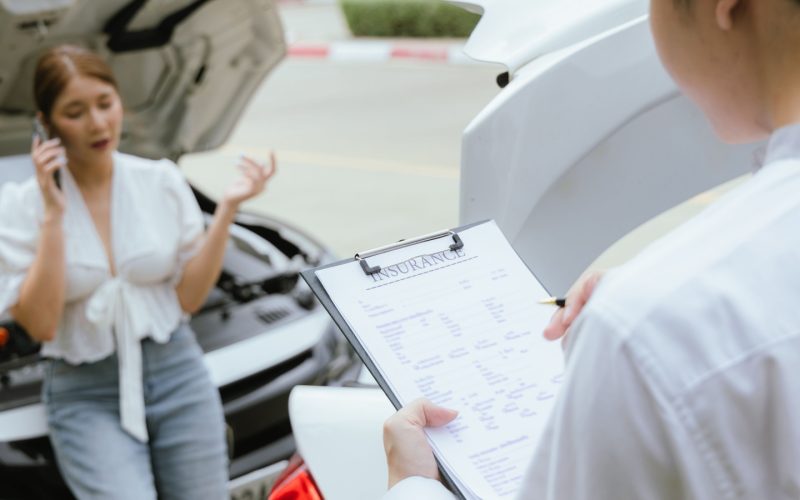
Generally, if you are at fault for the accident, you are liable for damages regardless of the other driver’s insurance status. However, if the other driver is at fault, your uninsured motorist coverage or your own auto insurance policy may help cover your losses. Rules vary by state, so it’s important to confirm specifics with your insurance agent to make sure you have the right policy.
What To Do Immediately After an Accident with an Uninsured Driver
Who pays if the other driver has no insurance after a crash? After a car accident with an uninsured motorist, it’s crucial to stay calm and take specific steps to protect yourself and your claim:
- Call the police to document the accident, especially if there are injuries or significant property damage. A police report is essential for insurance claims and legal purposes.
- Do not accept cash or any informal offers from the uninsured driver, as this could complicate your insurance claim later and may leave you without proper compensation.
- Collect the other driver’s name, contact information, and vehicle details. Also, gather contact information from any witnesses who saw the accident. This insurance information and witness statements can be valuable when filing your claim.
- Be careful what you say right after an accident.
- Take clear photos of the accident scene, vehicle damages, license plates, and any relevant traffic signs. These pictures serve as important evidence to support your case.
- Write down details such as the time, location, weather, and road conditions at the time of the accident. Documenting these facts can help reconstruct the accident and clarify fault.
- Contact your own insurance company promptly to start the claims process. Inform them that the other driver is uninsured and provide all collected information and documentation.
What Is Uninsured Motorist Coverage (UM)?
Uninsured Motorist coverage (UM) is a type of car insurance that protects you if you are involved in an accident with a driver who has no insurance. In some states, UM is voluntary while in other states, it is mandatory.
What UM Covers
UM coverage typically pays for:
- Medical bills and medical expenses for you and your passengers
- Lost wages due to injury
- Pain and suffering related to bodily injury
- Property damage to your vehicle (in some states, through uninsured motorist property damage coverage)
- Funeral expenses in the event of fatal injuries
When UM Coverage Applies
UM coverage applies when you are in an accident with:
- An uninsured driver who has no insurance at all
- A hit-and-run driver who cannot be identified or located
- In some states, an underinsured driver whose coverage limits are too low to cover your damages (this may require separate underinsured motorist coverage)
How Much Does Uninsured Motorist Coverage Cost?
UM coverage often costs just a few dollars per month and typically represents 3–5% of a total auto insurance premium. That means for $25,000/$50,000 worth of coverage, you may pay roughly $3-$6 per month. It is well worth the cost in the event of an accident caused by a driver with no insurance or not enough insurance.
Uninsured vs Underinsured Motorist Coverage
Uninsured motorist coverage protects you when the other driver has no insurance, while underinsured motorist coverage (UIM) covers the gap when the at-fault driver has insurance but not enough to cover all your damages. Many drivers carry both types of coverage for comprehensive protection.
Underinsured motorist coverage is especially important in states like South Carolina, where drivers are required to carry uninsured coverage, because other drivers may not carry enough insurance to cover serious damages. UIM coverage helps protect you from the financial burden when the at fault driver’s insurance is insufficient. Missouri is another state that requires drivers to carry uninsured motorist coverage.
Mississippi, on the other hand, is often listed as the state with the highest number of people driving around with no insurance at all – and this state does not require uninsured motorist coverage. However, drivers there who want to protect themselves will add it to their policy.
Who Pays for Damages If the Other Driver Has No Insurance?
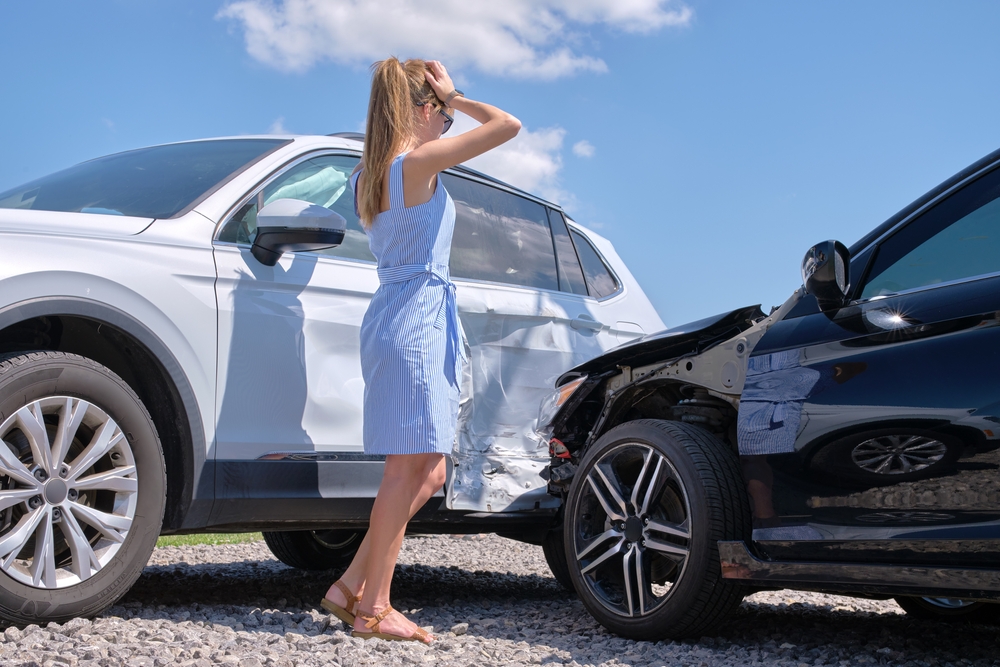
When you are involved in an accident with an uninsured driver, understanding who is responsible for paying the damages can be complex and depends largely on the state laws and circumstances of the crash.
At-Fault States
In at-fault states, the driver responsible for the accident is liable for damages. If the uninsured driver is at fault, you can file a claim with your own uninsured motorist coverage or pursue legal action against the uninsured driver. However, collecting damages through a lawsuit may be difficult if the uninsured driver lacks financial resources.
If you are at fault, your insurance company will pay for damages to the other drivers’ property, up to your policy limits, regardless of the other driver’s insurance status.
No-Fault States
In no-fault states, your own insurance company typically pays for your property damages regardless of who caused the accident. Medical costs are usually covered through Personal Injury Protection (PIP) or similar coverage. You generally cannot sue the other driver unless injuries exceed a certain severity threshold. Rules vary by state, so confirm with your agent.
Will Filing an Uninsured Motorist Claim Raise Your Rates?
Filing aninsurance claim after an accident can often raise concerns about potential increases in your premium. When the accident involves an uninsured motorist, many drivers wonder if making a claim will negatively impact their insurance rates. Understanding how insurance companies handle these claims and the protections offered by state laws can help you make informed decisions without fear of unexpected rate hikes.
Not-At-Fault Accidents
If you were not at fault and file an uninsured motorist claim, many insurance companies will not raise your rates. In some states, laws prohibit insurers from increasing premiums after not-at-fault accidents involving uninsured drivers.
State Laws That Protect Drivers
Certain states have specific protections preventing insurance companies from penalizing drivers who file claims after being hit by uninsured motorists. Check your state’s auto insurance laws and your policy details to understand your rights.
How Much Uninsured Motorist Coverage Should You Carry?
It’s advisable to carry enough uninsured motorist coverage to cover your medical expenses, property damage, and other costs such as lost wages and pain and suffering. In states where UM coverage is mandatory, you must carry at least the minimum required amount. Discuss your needs with your insurance agent to determine adequate coverage limits.
Carrying collision coverage alongside UM coverage can also help cover repairs to your vehicle after a crash caused by an uninsured or underinsured driver. Collision insurance helps pay for repairs regardless of fault, providing an additional layer of protection.
Common Scams Involving Uninsured Drivers
Be cautious of staged accidents or scams where individuals deliberately cause collisions and falsely claim injuries or damages to collect insurance money. Always call the police to document the scene and avoid accepting cash settlements on the spot. Protect yourself by following proper procedures and working closely with your insurance company.
Understanding the Risks of Many Uninsured Drivers
Many uninsured drivers are on the road despite laws requiring all motorists to carry liability insurance. For example, in California, approximately 20 percent of drivers have no insurance. This means your chances of being involved in an accident with an uninsured or underinsured driver are higher than you might think.
This is the top 5 states with the highest percentage of uninsured drivers according to data from the Insurance Information Institute:
| State | Percentage of Uninsured Drivers (%) |
| Mississippi | 28.2 |
| New Mexico | 24.1 |
| D.C. | 23.1 |
| Michigan | 22.3 |
| Tennessee | 21.3 |
*Source: Insurance Information Institute
Not having uninsured motorist coverage puts you at significant financial risk if you are injured or your vehicle is damaged in a crash caused by a driver without enough insurance. Your own insurance policy’s UM and UIM coverage can provide crucial compensation for medical bills, lost wages, repairs, and pain and suffering.
Legal Options After Being Hit by an Uninsured Driver
If an uninsured driver causes a traffic accident, you have the right to sue them. An experienced car accident attorney can help you with your lawsuit by collecting evidence, interviewing witnesses, and building your case. However, suing an uninsured driver may only be worthwhile if they have the financial means to compensate you for your damages.
Many uninsured drivers lack the assets to pay for damages, making legal action challenging. That’s why carrying uninsured motorist coverage makes sense—it provides a financial safety net without the need for lengthy lawsuits.
In no-fault states, you will typically file a claim with your own insurance provider regardless of who caused the accident. This process is usually faster and more straightforward.
If you’re unsure about your legal options or insurance coverage, seeking a free consultation with a qualified attorney or insurance agent can help you understand the best path forward.
Protect Yourself with the Right Auto Insurance Coverage
Ensuring you have appropriate uninsured and underinsured motorist coverage can protect you financially if you hit an uninsured driver or are involved in an accident with one. Freeway Insurance offers a range of cheap car insurance options designed to fit your needs and budget. Whether you need UM coverage, collision coverage, or help understanding your policy limits, our agents provide expert advice and free consultations to help you make sense of your coverage.
Remember, accidents happen unexpectedly, but being prepared with the right insurance makes all the difference. To get started, you can initiate a free quote online, visit a nearby Freeway Insurance office, or call us at 800-777-5620 for personalized assistance.
FAQs
What Happens If I Hit an Uninsured Driver but It’s Not My Fault?
If you hit an uninsured driver and you are not at fault, your uninsured motorist coverage or your own auto insurance policy may help cover your damages. Generally, you won’t be held responsible for the other driver’s damages, but it’s important to report the accident to your insurance company and follow state-specific rules.
Can an Uninsured Driver Sue Me After an Accident?
Yes, an uninsured driver can sue you if they believe you were at fault for the accident. However, if you carry liability insurance, your insurance company will typically defend you and cover damages up to your policy limits.
Do I Have to Pay Out of Pocket If the Other Driver Has No Insurance?
Without uninsured motorist coverage, you may have to pay out of pocket for your medical bills, vehicle repairs, and other expenses if the other driver has no insurance. Carrying uninsured motorist coverage helps protect you from these costs.
What Happens If an Uninsured Driver Refuses to Cooperate?
If the uninsured driver refuses to cooperate, such as not providing their information or leaving the scene, call the police immediately to file a report. Your insurance company can use the police report and any evidence you collected to process your claim.
What If Both Drivers Are Uninsured?
If both drivers have no insurance or any coverage, the situation becomes much more complicated. In this case, there is generally no insurance to cover damages or injuries, so both drivers may be responsible for paying their own medical bills and vehicle repairs out of pocket.
Additionally, they could face legal penalties for driving without insurance, which vary by state. While they might try to sue each other, recovering damages can be difficult or impossible if neither has the financial means or insurance coverage. Because of these risks and potential costs, the best course of action is to get car insurance to protect yourself and others on the road.