Why NASCAR’s Talladega Produces Some of the Most Iconic Moments
-


- 10 Years of Content Writing Experience
- 5 Years of Insurance Content Experience
Mónica Alarcón is a bilingual Senior Copywriter at Confie, the parent company of Freeway Insurance, where she specializes in creating educational insurance…
-
- 4+ Years of Insurance Content Experience
- B.A. in Journalism, Arizona State University
Cyndi Wright is the Senior Copywriter at Freeway Insurance, where she develops and oversees consumer-focused insurance content designed to help individuals and families make informed coverage…
-
- 10+ Seasons in the NASCAR Cup Series
- Longtime Freeway Insurance Brand Partner (6+ Years)
Daniel Suárez and Freeway Insurance have been partners for more than 6 years. Daniel is a seasoned force on the track, embarking on his first season with Spire Motorsports and his tenth full-time campaign in the NASCAR Cup Series…
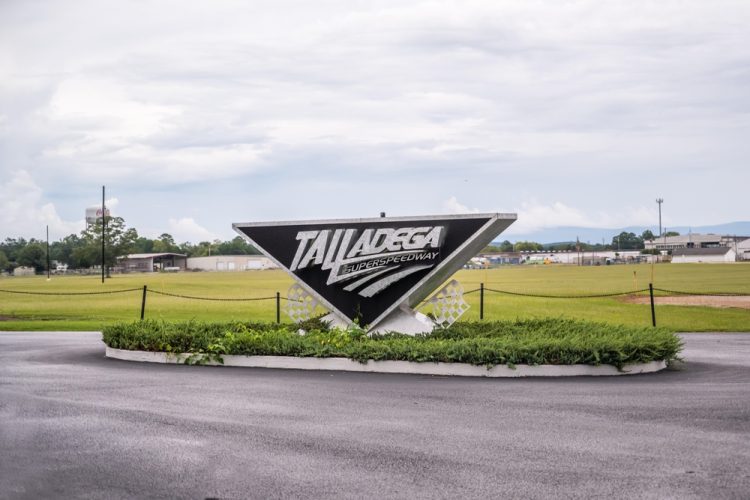
There’s a reason NASCAR fans get chills when they hear the name Talladega—few tracks deliver the same level of last-lap chaos, massive crashes, and unpredictable finishes. This 2.66-mile superspeedway in Alabama has been the stage for more last-lap drama, shocking upsets, and legendary comebacks than perhaps any other circuit in American auto racing. The Jack Link’s 500 was first run in 1970.
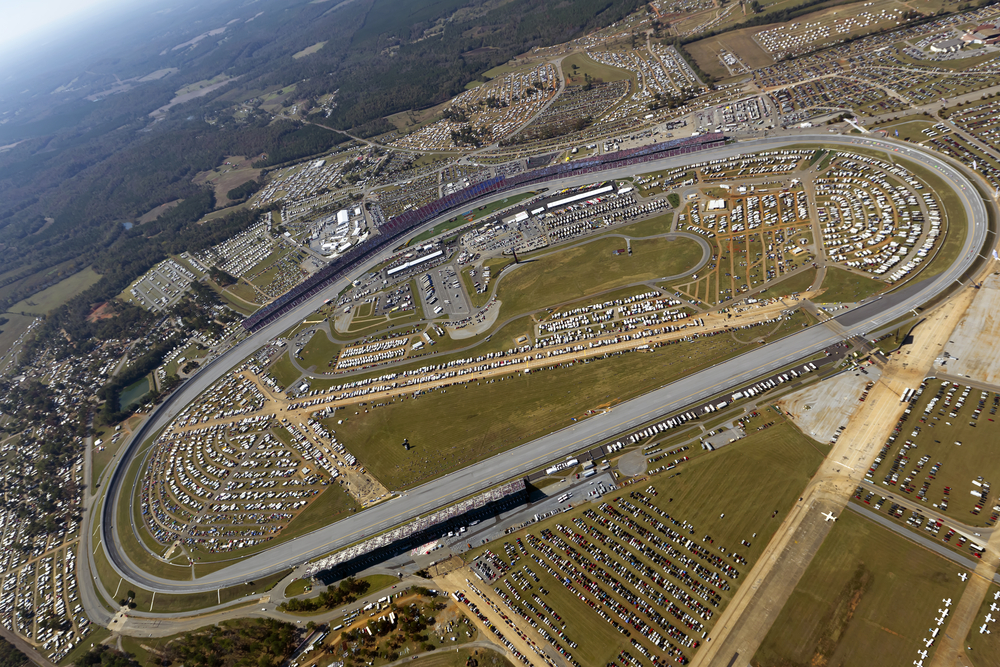
Talladega Superspeedway is the largest oval on the NASCAR schedule, featuring a distinctive backstretch with 3-degree banking that plays a crucial role in driver drafting strategies during the race. To truly appreciate why Talladega and its signature race, the Jack Link’s 500, matter so much, it helps to understand what makes this track unique—and why it consistently delivers unforgettable moments.
New to the sport? Check out this beginner’s guide to watching NASCAR to better understand the rules, race formats, and what to expect on race day.
Key Highlights
- Talladega Superspeedway is a 2.66-mile tri oval in Lincoln, Alabama, known for extreme speeds, intense drafting, and multi-car crashes called “the Big One.”
- The Jack Link’s 500 is a 500-mile NASCAR Cup Series race at Talladega, held in late April and known for its fast speeds and dramatic finishes. In 2026, the race is scheduled for Sunday, April 26, at 2:00 PM CST.
- Legendary drivers like Dale Earnhardt, with 10 wins, and teams such as Hendrick Motorsports, with 14 victories, have made the track iconic.
- The track’s design creates unpredictable, thrilling action that keeps fans engaged.
- For fans attending, reliable, affordable auto insurance from providers like Freeway Insurance is important, especially for high-risk drivers or those needing SR-22 coverage.
- Tickets are essential for experiencing the excitement live, and international events and drivers help boost attendance at Talladega.
What Makes Talladega Superspeedway Special?
Talladega Superspeedway, constructed on the former Anniston Air Force Base in Alabama, opened its gates in September 1969. Since then, it has grown into NASCAR’s largest and most formidable venue, renowned for its breathtaking speed and thrilling pack racing.
Track Features at a Glance
| Feature | Specification |
| Length | 2.66 miles |
| Turn Banking | 33 degrees |
| Frontstretch Length | 4,000 feet |
| Configuration | Tri-oval |
| Seating Capacity | 80,000+ |
This superspeedway surpasses Daytona’s 2.5-mile track length and features steep banking that allows cars to maintain blistering speeds through the corners. The start/finish line is positioned just beyond the tri-oval’s exit, creating long drafting zones where cars cluster tightly, often exceeding 190 mph.
A Rocky Start and Rapid Rise
The inaugural NASCAR Cup Series race in September 1969, the Talladega 500, was marked by controversy. Top drivers, led by Richard Petty, boycotted the event due to tire safety concerns after Firestone’s testing failures. This boycott allowed underdog Richard Brickhouse to claim a surprise victory in a Dodge, setting the tone for Talladega’s history of unpredictability.
Speed Records and Safety Evolution
Talladega’s reputation for speed is legendary. Buddy Baker broke the 200 mph barrier during testing in 1970, and Bill Elliott set the all-time NASCAR qualifying record in 1987 with a 212.809 mph lap—a record that still stands thanks to NASCAR’s introduction of restrictor plates in 1988 to rein in speeds for safety. NASCAR features heavily modified, 750-horsepower silhouette cars racing at speeds exceeding 200 mph, primarily on oval tracks. NASCAR races primarily take place on ovals, including superspeedways, short tracks, and road courses.
The track’s size and banking create a stark contrast to other NASCAR venues:
- Bristol: A short, 0.533-mile concrete oval demanding tight handling.
- Charlotte: A 1.5-mile intermediate track emphasizing pure speed.
- New Hampshire: A flat, one-mile track with unique aerodynamic challenges.
- Road courses: Technical circuits testing braking and cornering skills.
Talladega’s combination of length, banking, and aero rules puts a premium on the draft and pack racing, making it a true test of driver skill and strategy.
The Drama Behind Talladega’s Iconic Moments
The track’s design fosters intense pack racing, where cars run inches apart at nearly 190 mph. In a typical NASCAR race, the pace car leads the field during caution periods, but at Talladega, special experiences may occur without a pace car, adding to the track’s legendary and unpredictable environment. NASCAR races are divided into three stages, with the top 10 finishers in the first two stages earning bonus points. This creates dynamic racing filled with lead changes and unpredictable outcomes.
The Art of Drafting
Drafting is the defining strategy at Talladega. By following closely behind another car, drivers reduce air resistance and gain speed, setting up passes and constant position changes throughout the race. Techniques like slipstreaming, slingshot moves, and tandem drafting create packs that can produce dozens of lead changes—often deciding the race in the final laps, down to the final turn.
The Infamous “Big One”
Talladega is notorious for multi-car pileups known as “the Big One.” With cars packed tightly at high speeds, a small mistake can trigger chain-reaction crashes involving 10 to 30 vehicles. To protect drivers during these crashes, NASCAR requires the use of support systems such as head and neck support devices (HANS devices) and other safety support measures. Since 1988, red flags have been common, with roughly 40% of Cup races at Talladega interrupted by major incidents.
While everyday drivers won’t face superspeedway conditions, the risks of close driving, high speeds, and sudden reactions are very real on public roads. Practicing safe habits—like maintaining a safe following distance, staying alert while tired, and avoiding aggressive maneuvers—can help reduce the risk of chain-reaction crashes. For more guidance, check out these 8 safe driving tips to stay protected behind the wheel.
Legendary Moments That Define Talladega
The track’s history is rich with unforgettable highlights:
| Year | Driver | Moment |
| 2000 | Dale Earnhardt | Epic comeback from 18th to 1st in final laps |
| 1987 | Davey Allison | Dominated by leading 101 of 178 laps |
| 1997 | Mark Martin | Fastest Cup race ever with 188.354 mph average |
| 1992-93 | Ernie Irvan | Consecutive spring victories |
Many of these legendary drivers have been honored in the NASCAR Hall of Fame for their achievements at Talladega, recognizing their significant contributions to the sport.
Dale Earnhardt’s 2000 fall victory remains a defining moment, showcasing masterful drafting and relentless determination that epitomized his “Intimidator” legacy.
Underdog Victories and Unpredictability
Talladega’s pack racing levels the playing field, enabling smaller teams to challenge for wins more often than at other tracks. This unpredictability, with surprise winners nearly 35% more frequent, keeps fans on the edge of their seats.
Spotlight on the Jack Link’s 500
The Jack Link’s 500 is one of two annual NASCAR Cup Series races at Talladega, typically held in late April. This grueling 500-mile, 188-lap race tests endurance, strategy, and split-second decision-making.
Race Format and History
Drivers battle side-by-side, conserving fuel and positioning themselves for dramatic late-race moves. The 1997 spring race stands out as the fastest NASCAR Cup Series race ever, with Mark Martin averaging 188.354 mph over 188 laps without a caution flag.
Austin Cindric enters as the defending champion, adding to the race’s tradition of surprise and excitement.
Talladega Legends: Drivers and Teams
Talladega’s record books are filled with names that have shaped NASCAR history.
Dale Earnhardt: The King of Talladega
Earnhardt’s dominance is unmatched:
- 10 Cup wins at Talladega
- 44 career starts on the track
- 22.7% win rate
His 2000 fall comeback is a classic example of his skill and tenacity.
Team Success
Hendrick Motorsports leads with 14 Cup Series wins at Talladega, showcasing their mastery of superspeedway racing. Other notable teams include Richard Childress Racing with 12 wins.
Brad Keselowski boasts a 25% win rate at Talladega, with 4 wins in 16 starts, highlighting individual driver success.
Track Records
| Record | Holder | Details |
| Fastest qualifying lap | Bill Elliott | 212.809 mph (1987) |
| Fastest race average | Mark Martin | 188.354 mph (1997 spring) |
| Most wins (driver) | Dale Earnhardt | 10 |
| Most wins (owner) | Hendrick Motorsports | 14 |
Talladega has hosted over 110 Cup Series events since 1969, making it a cornerstone of NASCAR history.
The Economic Impact of Talladega
Talladega Superspeedway is not only a legendary racing venue but also a major economic driver for Alabama. Each year, the NASCAR Cup Series race draws tens of thousands of fans, generating around $50 million for the state. Local businesses, from hotels to restaurants, benefit from the influx of visitors who often make the Jack Link’s 500 a weekend event. This surge supports jobs and boosts tax revenues in Lincoln and surrounding areas.
Beyond race day, Talladega’s rich history and thrilling reputation attract motorsports fans year-round. Whether you’re a driver aiming for records or a fan soaking in the atmosphere, Talladega Superspeedway’s impact on both the sport and local economy is significant.
Cultural Significance and Community at Talladega
Talladega is as much about the fans as the race itself. From packed grandstands to the infield’s famous Talladega Boulevard, the atmosphere blends high-speed racing with a festival-like energy. For many, attending isn’t just about watching a race—it’s a yearly tradition built around tailgating, camping, and nonstop action both on and off the track.
Experiencing Talladega: Race Day and Beyond
Talladega offers more than just racing—it’s an event with a vibrant atmosphere.
Camping and Fan Culture
The infield, especially Talladega Boulevard, is famous for its festival vibe, with thousands of RVs, tailgating, live music, and fan zones. Camping spots fill quickly, so early planning is essential.
Safety Innovations
Following high-speed crashes and tragedies like Dale Earnhardt’s 2001 death at Daytona, NASCAR has implemented key safety measures at Talladega:
- HANS device, now required by NASCAR, to protect drivers’ necks
- Fire-retardant suits and other mandated safety equipment to enhance driver safety
- SAFER barriers that absorb crash energy
- Gen-7 cars with composite bodies for improved protection
- Roof air chutes to slow flipping cars
These improvements have significantly reduced injury severity despite the track’s inherent risks. NASCAR sanctions over 1,500 races at over 100 tracks each year, making these safety innovations essential.
Travel and Insurance Tips for Fans
Many fans travel hundreds of miles to attend Talladega events. Reliable auto insurance is crucial, especially for high-risk drivers or those requiring SR-22 filings. Freeway Insurance offers affordable coverage options tailored to these needs, along with roadside assistance for peace of mind on long trips.
Get Covered Before You Go
Heading to Talladega? Don’t hit the road without the right protection. Whether you’re traveling across the state or making a full road trip out of it, having reliable auto insurance gives you peace of mind from start to finish. Freeway Insurance offers affordable options—even for high-risk drivers or those needing SR-22 coverage.
Freeway Insurance is a proud partner of NASCAR, helping connect the excitement of race day with affordable coverage options for everyday drivers. Freeway also partners with driver Daniel Suárez, supporting his career and expanding the sport’s reach to new audiences.
Get a fast, free quote today and drive to Talladega with confidence. Ready to find the right coverage? To learn more, get a car insurance quote, visit a Freeway Insurance office or call 800‑777‑5620 for a free, no‑obligation consultation.
Frequently Asked Questions
Is the Jack Link’s 500 always 500 miles and 188 laps?
Yes, the race distance remains 500 miles, translating to 188 laps on Talladega’s 2.66-mile tri oval, regardless of title sponsor changes.
Why is Talladega more unpredictable than other NASCAR tracks?
Talladega’s steep banking, long straightaways, and aerodynamic rules force cars into tight drafting packs. With 30-40 cars running inches apart at nearly 190 mph, a small error can trigger massive crashes and reshuffle the field, leading to frequent last-lap passes.
When should fans arrive for the Jack Link’s 500?
Arriving several hours before the 3:00 PM ET start is recommended. Gates open late morning, allowing time for parking, security, and exploring fan zones. Camping or infield attendees often arrive the night before.
Can fans camp at Talladega during race weekends?
Yes, Talladega offers extensive camping options inside and outside the track, accommodating around 20,000 RVs. Sites sell out quickly, so early reservations are advised.
What insurance should fans consider when traveling to Talladega?
Fans should review auto insurance for liability, collision, and comprehensive coverage, also consider roadside assistance, and if renting RVs or properties, look into specialized coverage. Freeway Insurance can assist with bundled policies for complete protection.