
Can You Get Car Insurance Without a Driver’s License?
-


- 10+ Years of Marketing and Content Writing Experience
- Bachelor of Arts in Marketing
Ashley Walrath is a Content Writer at Confie, the parent company of Freeway Insurance, where she creates educational content that helps consumers better understand insurance and make informed coverage decisions. She develops consumer…
-
- 13 Years of Insurance Industry and Content Experience
- B.S. in Applied Technology and Performance Improvement, University of North Texas
Rose Carter is an insurance content strategist and marketing executive with 13 years of experience developing consumer-focused insurance education and digital…
-
- 8 Years of Insurance Experience
- Alabama Licensed Insurance Agent
Taylor is a licensed insurance professional with eight years of experience in the Alabama insurance market, specializing in personal lines …

Owning a car and having a valid driver’s license don’t always go hand in hand. Your license may be suspended, you may rely on someone else to drive, or you may own a vehicle you don’t personally operate.
In some situations, you may still be able to get car insurance without a valid driver’s license. However, having insurance does not give you legal permission to drive without the appropriate license or permit.
Here’s what to know about insuring a vehicle when you aren’t licensed to drive.
Key Takeaways
- It may be possible to get car insurance without a driver’s license, but options vary by insurer and state.
- Having insurance does not make it legal to drive without a valid license or permit.
- An unlicensed vehicle owner may be able to list a licensed person as the primary driver.
- A suspended license can create additional insurance requirements, including an SR-22 in some situations.
- Non-owner insurance can be an option for certain people who don’t own a vehicle, but eligibility requirements vary.
Can You Get Car Insurance Without a Driver’s License?
Yes, in some situations. Getting coverage can be more complicated because insurers commonly use driver’s license information to evaluate driving history and determine eligibility and rates.
There’s an important distinction:
- You may be able to own and insure a vehicle without personally being licensed to drive it.
- Having insurance does not give you permission to drive without a valid license or permit.
Some insurers may require a licensed primary driver to be listed on the policy. Others may have options for a vehicle that will be stored rather than driven. Requirements vary by insurer, state, vehicle ownership, and how the vehicle will be used.
Why Insurers Care About Your Driver’s License
A driver’s license helps an insurer identify the person who will operate the vehicle and review relevant driving information.
Insurers may use license information to:
- Review driving history: A motor vehicle record may contain information such as violations, accidents, or license status.
- Verify identity: License information can help confirm identifying information provided during the application.
- Evaluate risk: The driving history of the people who regularly operate the vehicle can affect eligibility and premiums.
If you don’t have a valid license, an insurer may ask additional questions about who owns the vehicle, who will drive it, and why you need coverage.
Requirements vary, so don’t assume every insurance company handles an unlicensed vehicle owner the same way.
When You Might Need Car Insurance Without a License
Someone who isn’t currently licensed to drive may still own a vehicle that needs insurance.
For example:
- Your license is suspended, but you still own your car.
- A licensed family member or caregiver drives your vehicle.
- You own a vehicle but no longer drive because of age or health.
- You have a vehicle that’s stored or rarely used.
- You’re working toward getting or reinstating your license.
The important question is who will actually drive the vehicle.
If someone else regularly drives your car, tell the insurer. Depending on the carrier and policy, that person may need to be listed as the primary or regular driver.
Insurance Options If You’re Unlicensed or Can’t Be the Primary Driver
There’s no universal “no-license car insurance” policy. Coverage may need to be structured around the vehicle owner, the person who actually drives the vehicle, and the insurer’s requirements.
List a Licensed Primary Driver
If you own a car but don’t drive it, an insurer may allow you to identify a licensed person who regularly operates the vehicle.
That person might be:
- A spouse
- An adult child
- A roommate
- A caregiver
- Another regular driver
The insurer will typically want accurate information about everyone who regularly drives the vehicle.
Be Listed as an Excluded Driver
Depending on the insurer and state, an unlicensed vehicle owner may be listed as an excluded driver.
Being excluded generally means the policy isn’t intended to provide coverage when the excluded person operates the vehicle. The exact effect of an exclusion depends on the policy and applicable state law.
If you aren’t legally licensed to operate the vehicle, having insurance doesn’t change your driving status.
Consider Non-Owner Coverage
Non-owner car insurance is designed for certain people who don’t own a vehicle but need liability coverage when driving vehicles they don’t own.
It isn’t designed to insure a car you own. Eligibility also varies, and a person who isn’t legally permitted to drive may not qualify.
Learn more about how non-owner car insurance works before deciding whether it’s appropriate for your situation.
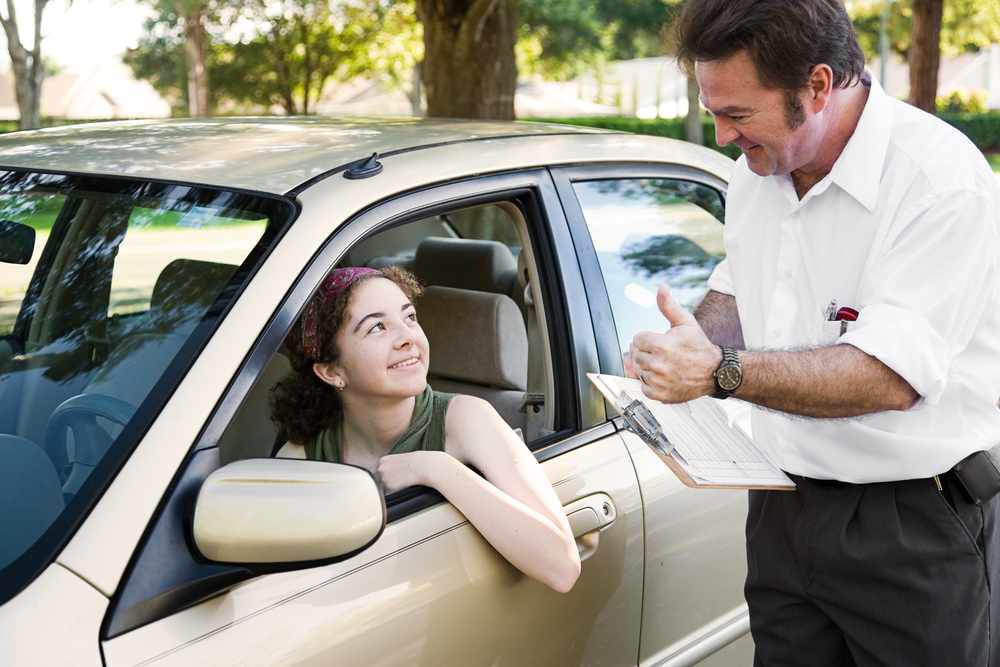
Car Insurance with a Learner’s Permit or New License
Having a learner’s permit is different from having no driving privileges.
Insurance requirements for permit holders vary by state and insurer. A young driver with a permit may be covered under or added to a parent or guardian policy, while an adult learning to drive may have different options.
If you or someone in your household has a learner’s permit, contact your insurer and ask when the permit holder needs to be disclosed or added to the policy.
Licensing restrictions and insurance requirements vary by state, so check the rules where you live.
Suspended Licenses, SR-22 Requirements, and High-Risk Insurance
A suspended license can create different insurance requirements.
Depending on why your license was suspended and your state’s requirements, you may need to provide proof of financial responsibility before your driving privileges can be reinstated.
An SR-22 is not a type of insurance. It’s a certificate an insurer files with the state showing that you meet applicable financial responsibility requirements.
Not everyone with a suspended license needs an SR-22. Requirements and filing periods vary by state and situation.
If your license is suspended, you may need to:
- Maintain insurance on a vehicle you own.
- Obtain an SR-22 filing if your state requires one.
- Purchase a non-owner SR-22 if you don’t own a vehicle and otherwise qualify.
- Meet additional state requirements before your license can be reinstated.
If you’re dealing with a suspended driver’s license and possible SR-22 requirement, check with your state’s motor vehicle agency and insurer to determine what you need.
An SR-22 filing doesn’t give you permission to drive while your license is suspended. You must complete the required reinstatement process before driving again.
Stored, Classic, or Rarely Driven Cars: Coverage for Non-Driving Owners
You may also need insurance for a vehicle you own but don’t regularly drive.
A stored or classic vehicle could still be damaged by theft, fire, vandalism, weather, or another covered event.
Depending on the insurer and circumstances, coverage options could include comprehensive coverage or a specialized policy designed for stored or classic vehicles.
Registration requirements, lender requirements, and available coverage vary. If the vehicle is financed, your lender may also require certain physical damage coverage.
If anyone will occasionally drive the vehicle, tell your insurer. Don’t assume storage coverage protects a car while it’s being driven.
How to Get Car Insurance Without a License
If you own a vehicle but don’t have a valid driver’s license, explain your situation accurately to the insurer.
- Determine how the vehicle will be used. Will someone drive it regularly, occasionally, or not at all?
- Identify the licensed driver. If another person will regularly operate the vehicle, provide their information.
- Gather your documents. The insurer may request identification, vehicle information, registration details, and information about licensed drivers.
- Explain your license status. Tell the insurer whether you’ve never been licensed, your license is suspended, or you no longer drive.
- Compare coverage options. Review liability limits, deductibles, available physical damage coverage, exclusions, and other policy terms.
- Ask about driver exclusions. If you’re an unlicensed owner, find out whether the insurer requires you to be excluded from driving.
- Confirm any SR-22 requirements. If you’re working toward license reinstatement, determine whether your state requires an SR-22.
Accurate information about who owns and drives the vehicle helps the insurer determine what coverage options may be available.
If some of these terms are unfamiliar, reviewing the basics of auto insurance can help before you compare policies.
What Coverage Does an Unlicensed Vehicle Owner Actually Need?
The answer depends primarily on how the vehicle will be used and who will drive it.
Coverage options may include:
- Liability coverage: Helps pay for covered injuries or property damage the insured driver causes to others, subject to policy limits.
- Collision coverage: May help pay for covered damage to the insured vehicle after a collision, subject to the deductible and policy terms.
- Comprehensive coverage: May help with covered non-collision losses such as theft, vandalism, or certain weather damage.
- Medical payments or similar coverage: Availability and requirements vary by state and policy.
- Uninsured/underinsured motorist coverage: Availability, requirements, and coverage vary by state.
- Non-owner insurance: May provide liability protection for eligible drivers who don’t own a vehicle but sometimes drive vehicles they don’t own.
If you’re new to insurance, auto insurance basics can help you compare these coverages.
For a vehicle that’s only stored, ask your insurer whether reduced or storage-related coverage is available and how changing coverage could affect registration or lender requirements.
Freeway Insurance: How We Help No-License and High-Risk Drivers
Unusual licensing situations can make shopping for car insurance more complicated. Freeway Insurance can help you explore available options based on your vehicle, license status, primary driver, and insurance requirements.
That may include help with:
- Coverage for vehicles driven by another licensed person
- Insurance options for drivers with suspended licenses
- Non-owner coverage
- Coverage for higher-risk drivers
Being unlicensed doesn’t necessarily mean you can’t insure a vehicle, but your options depend on the insurer and circumstances.
Give us a call at 800-777-5620, stop by one of our offices near you, or start a quick quote online.
Frequently Asked Questions About Car Insurance Without a License
Does having car insurance without a license make it legal for me to drive?
No. Car insurance and driving privileges are separate issues.
Having an insured vehicle doesn’t give an unlicensed person legal permission to drive it. You need the appropriate valid driver’s license or permit before operating a vehicle.
Can I buy and register a car if my license is suspended or I’ve never had one?
It may be possible to purchase a vehicle without a driver’s license, but registration and insurance requirements vary by state.
Check with your state’s motor vehicle agency and insurer before buying or registering a vehicle, so you know what identification, insurance, and licensed-driver information you’ll need.
Will my insurance company cover an accident if the driver wasn’t licensed?
It depends on the policy, state law, driver, and circumstances of the accident.
An unlicensed, undisclosed, or excluded driver can create serious coverage issues, but you shouldn’t assume every claim will automatically be denied. Review your policy driver provisions and exclusions, and make sure regular drivers are properly disclosed.
Is auto insurance always more expensive if I don’t have a license?
Not necessarily.
Insurance premiums depend on many factors, including the vehicle, location, coverage, insurer, and driving records of the people who actually operate the vehicle. An unusual licensing situation can affect eligibility or pricing, but it doesn’t automatically mean every insurer will charge more.
What if I only need insurance for occasional rentals or borrowed cars?
Non-owner car insurance may be an option for eligible people who don’t own a vehicle but occasionally drive vehicles they don’t own.
Non-owner policies generally provide liability coverage rather than physical damage coverage for the borrowed or rented vehicle. Eligibility and coverage vary, so check the policy carefully.
Can I get an SR-22 without owning a car?
Potentially. If you’re required to file an SR-22 but don’t own a vehicle, a non-owner SR-22 policy may be an option if you qualify.
Requirements vary by state, so confirm what you need before purchasing coverage.
Can I get insurance if my driver’s license is suspended?
Possibly. You may still need insurance while your license is suspended, particularly if you own a vehicle or need proof of financial responsibility for reinstatement.
Having insurance doesn’t allow you to drive during a suspension. Follow your state’s reinstatement requirements before getting behind the wheel.