
Can Car Subscription Services Affect Insurance Coverage?
-


- 10 Years of Content Writing Experience
- 5 Years of Insurance Content Experience
Mónica Alarcón is a bilingual Senior Copywriter at Confie, the parent company of Freeway Insurance, where she specializes in creating educational insurance…
-
- 13 Years of Insurance Industry and Content Experience
- B.S. in Applied Technology and Performance Improvement, University of North Texas
Rose Carter is an insurance content strategist and marketing executive with 13 years of experience developing consumer-focused insurance education and digital…
-
- 12 Years of Insurance Experience
- Arizona Licensed Insurance Agent
Liliana M. Gastelum is a licensed insurance agent with 12 years of experience in the Arizona insurance market, specializing in personal lines…

Car subscription services and subscription-based vehicle technology are revolutionizing how we access and use vehicles. From Tesla’s Full Self-Driving subscriptions to Toyota’s connected services and remote start apps, these paid software features are becoming a standard part of the modern driving experience. However, they also introduce new considerations for your auto insurance coverage, repair costs, and claims processes.
How do these subscription-enabled technologies impact your insurance premiums? What happens when a subscribed feature causes an accident or needs repair? This comprehensive guide will answer these questions and help you understand how the growing trend of software-driven vehicles may change your auto insurance needs and coverage requirements.
As vehicles become increasingly software-driven, understanding how these technologies interact with auto insurance coverage is becoming increasingly relevant for drivers.
How Car Subscription Services Affect Auto Insurance Coverage: Understanding the Impact on Premiums and Liability
Subscription-based vehicle technologies can significantly influence your auto insurance in various ways. The impact depends on the type of subscription service, how it’s integrated into your specific vehicle, and how your insurance company views these technologies. Knowing how these features influence coverage helps you make informed decisions about both your vehicle subscriptions and auto insurance coverage.
Insurance companies are still adapting to subscription-enabled features, and their policies regarding coverage, liability, and auto insurance premiums continue to evolve. Some safety features may reduce your risk and potentially lower premiums, while others might increase liability concerns or repair costs. Many auto insurance companies offer discounts for safe drivers, which can significantly lower premiums for those with clean driving records and vehicles equipped with advanced safety technology. Because insurers do not evaluate every connected feature the same way, coverage outcomes may vary depending on the vehicle, technology package, and insurer.
Car subscription services offer a flexible alternative to traditional car ownership, allowing users to rent vehicles on a month-to-month basis without long-term commitments. These services typically include maintenance, insurance, and roadside assistance as part of the monthly fee, providing a comprehensive package for users. This bundled approach affects how insurers assess risk and calculate premiums for subscribers.
Types of Vehicle Subscription Technologies and Their Insurance Implications
Exploring the landscape of monthly car subscription options helps clarify their insurance implications:
| Subscription Service | Monthly Cost | Insurance Impact |
| Tesla Full Self-Driving | $99/month | Advanced driver assistance affecting liability coverage and collision claims |
| Toyota Connected Services | $8-16/month | Remote monitoring and safety features impacting comprehensive coverage |
| GM OnStar | $29.99/month | Emergency response and security features influencing theft and roadside assistance coverage |
| BMW ConnectedDrive | $25-35/month | Remote services and maintenance alerts affecting repair cost predictions |
| Mercedes me connect | $30/month | Vehicle tracking and diagnostics impacting claims processing |
| Ford SYNC Connect | $199 activation + $20/month | Remote start and monitoring affecting theft and comprehensive claims |
| Audi connect | $25/month | Navigation and safety services influencing collision and liability coverage |
| Volvo On Call | $25/month | Emergency assistance and vehicle health monitoring affecting multiple coverage types |
Key Takeaways:
- Subscription-based driver assistance features like Tesla FSD may shift liability between driver and manufacturer depending on fault determination
- Connected services providing theft protection and emergency response can potentially reduce comprehensive coverage and collision premiums
- Software-driven features requiring expensive repairs may increase comprehensive coverage costs
- Remote monitoring capabilities can provide insurers with detailed accident data, influencing claims processing and premiums
- Car insurance coverage types and limits vary by state, and it is important to check your state requirements to determine your auto insurance needs
What Qualifies as Subscription-Based Vehicle Technology for Insurance Purposes?
Not all vehicle features with monthly payment requirements are treated equally by insurance companies. Knowing which features qualify as subscription-based technology for insurance purposes helps determine coverage implications. Common qualifying features include:
- Advanced driver assistance systems (ADAS) with monthly subscription fees
- Connected services providing remote vehicle access and monitoring
- Over-the-air software updates requiring subscription payments
- Telematics systems that track driving habits and vehicle performance
- Emergency response services integrated with vehicle systems
- Navigation and infotainment services requiring ongoing subscription payments
- Vehicle health monitoring and predictive maintenance systems
Many of these technologies operate quietly in the background, but they can become highly relevant during insurance claims and repair evaluations.
Car subscription services typically require users to be at least 21 or 25 years old, hold a valid driver’s license, and pass a basic background, driving history, or credit check. This minimum age requirement and screening process affects how insurers view subscribers compared to traditional car ownership models.
The target customer for car subscription services includes individuals wanting flexible usage without the commitment of ownership or long-term leasing. Car subscriptions allow swapping vehicles to match seasonal demands or personal preferences, which creates unique considerations for auto coverage since you may swap cars or swap vehicles throughout the year.

How Subscription Technology Affects Insurance Claims: A Step-by-Step Analysis
When subscription-based vehicle technology is involved in a car accident or claim, the process becomes more complex than traditional auto insurance claims. Here’s how these technologies impact different aspects of insurance coverage:
1. Liability Determination in Accidents
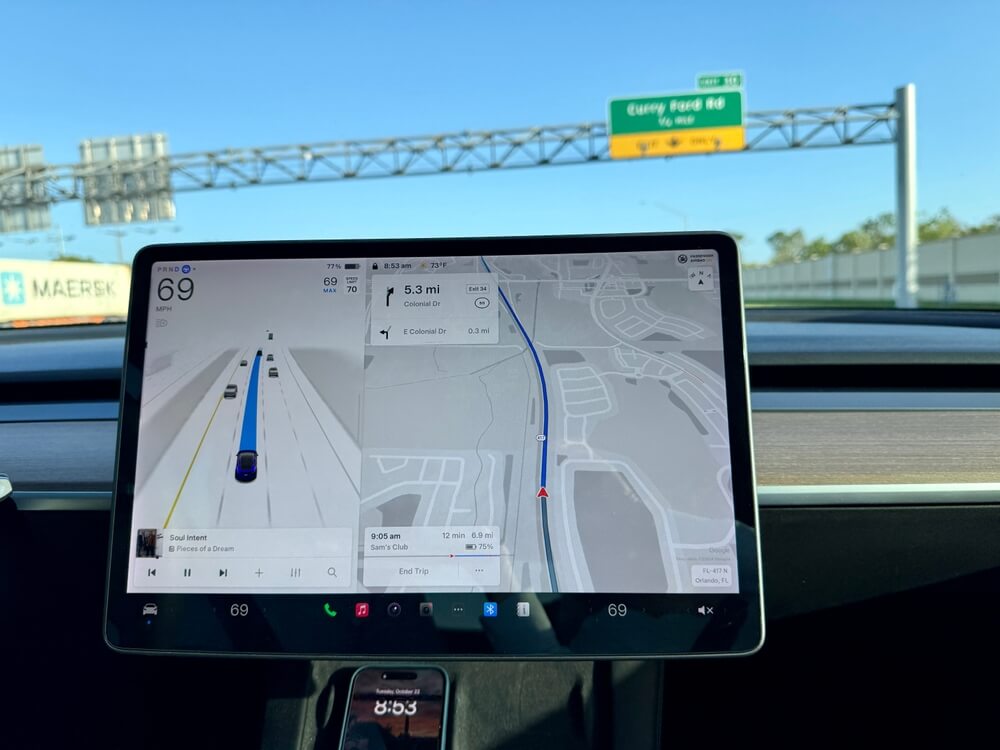
Advanced driver assistance subscriptions like Tesla FSD operate at Level 2 automation. As self-driving technology continues to evolve, insurers are increasingly evaluating how these systems affect liability and claims. Since FSD remains driver-supervised, responsibility for most claims typically remains with the driver.
Insurance companies must assess whether the technology malfunctioned, was used improperly, or if driver error occurred despite the assistance. Tesla’s Safety Score system tracks miles driven with FSD engaged versus disengaged, providing evidence that can influence fault determination in claims.
2. Repair Cost Assessment
Vehicles with subscription-based features often contain expensive sensors, cameras, software components, and calibration systems that can significantly increase repair costs. According to industry data, approximately 28.3% of repairable auto insurance claims require ADAS calibration, with each calibration adding $350 to $500 per system to repair costs.
In 2025, collision repair costs for ADAS-equipped vehicles averaged approximately $5,300—roughly double that of similar non-ADAS vehicle incidents. This significantly affects comprehensive coverage and collision insurance payouts. The average auto repair cost across all claims reached $4,818, with 23.1% of claims declared total losses due to repair costs exceeding vehicle value.
3. Data Collection and Evidence
Connected vehicle subscriptions provide insurers with detailed telematics data, including speed, braking patterns, and system status at the time of incidents. Toyota’s Connected Analytic Services (CAS) aggregates data from vehicle telematics and ADAS usage, allowing drivers who opt in to share this information and potentially qualify for insurance savings based on driving behavior.
This data can support or challenge claims and affect settlement amounts. Discounts for low mileage drivers are commonly available, rewarding those who drive less with lower insurance rates—something easily verified through connected vehicle data. Drivers already rely on connected technology every day, including smartphone apps designed to improve the driving experience.
4. Software-Related Claims Processing
When subscription software causes vehicle malfunctions or contributes to accidents, insurers must coordinate with technology manufacturers to determine coverage responsibility and repair procedures. This investigation delays claims processing while determining whether the software defect, driver misuse, or other factors caused the incident.
5. Theft and Recovery Services
Subscription-based tracking and security services affect comprehensive coverage claims. Comprehensive coverage pays for damage caused by non-collision incidents, such as theft, vandalism, or natural disasters, and is often required by lenders if you finance or lease your vehicle with a car loan.
Features like remote immobilization and GPS tracking can prevent theft or aid recovery, potentially reducing claim payouts and qualifying for money saving discounts on premiums.
6. Emergency Response Coordination
Subscription emergency services like OnStar or BMW Assist automatically contact first responders after accidents, potentially reducing injury severity and medical expenses. This faster response can minimize medical bills and provides insurers with immediate accident notification, improving claims processing efficiency.
Cost Implications of Subscription Vehicle Technology on Insurance Premiums
Subscription-based vehicle features can influence your insurance costs in several ways that affect your monthly payment for coverage. Being aware of these factors helps you budget for both subscription fees and potential premium changes: Subscription technology can create both savings opportunities and additional insurance expenses. The final impact depends on how insurers evaluate the feature and the cost of repairing associated components.
Increased Comprehensive Coverage Costs: Higher repair expenses due to expensive subscription-enabled technology components push comprehensive coverage premiums higher. Electric vehicles with subscription features average approximately $5,840 per claim versus $4,215 for gasoline vehicles, reflecting more expensive parts, labor specialization, and ADAS calibration requirements.
Potential Liability Premium Adjustments: Advanced driver assistance features may reduce or shift liability exposure. Tesla Insurance offers discounts for drivers who have FSD engaged, with premium benefits up to approximately 10% reduction on certain coverages depending on miles driven while the feature is active.
Telematics-Based Discounts: Usage-based insurance programs utilizing subscription monitoring data reward safe driving with lower rates. Drivers must drive at least a minimum number of miles (such as 5 miles per 30-day period) with features engaged to qualify for these discounts.
Safety Feature Credits: Discounts for vehicles equipped with subscription emergency response and collision avoidance systems recognize reduced risk. Bundling multiple insurance policies, such as home and auto, can lead to additional savings on premiums—a common practice among many insurers looking to insure more than one vehicle.
Car subscription services often require an initiation fee, which varies by vehicle model, but do not require hefty down payments like traditional leases or low down payments associated with vehicle purchases. However, your auto insurance premium may still require a down payment depending on your payment method and credit history.
Coverage Gaps and Claim Complications with Vehicle Subscription Services
Subscription-based vehicle technology can create coverage challenges and claim complications that traditional auto insurance policies weren’t designed to address. Being aware of these potential issues helps you avoid hidden fees and unexpected coverage denials:
Software Malfunction Liability: When subscription features contribute to accidents, determining fault between driver, manufacturer, and software becomes complex. Your auto policy may not explicitly cover software malfunction unless it causes physical damage.
Coverage Disputes: Insurance companies and vehicle manufacturers may disagree about responsibility for subscription technology failures, delaying claim resolution and leaving you covered inadequately during the dispute.
Higher Deductibles: Comprehensive coverage claims involving expensive subscription-enabled components may result in repair costs that exceed your vehicle’s value. Windshield replacement with integrated safety cameras can require additional calibration costing $500 to $1,300 for front radar sensors alone.
Aftermarket Parts Risk: Repair shops using non-OEM parts may misalign sensors or calibration targets, degrading safety feature performance. Insurance may raise premiums or deny liability if improper parts contributed to subsequent damage.
Delayed Claims Processing: Insurers may need additional time to investigate subscription technology involvement, extending the time before you receive payment for repairs or replacement.
Depreciation Issues: Vehicles heavily dependent on subscription software features face uncertain valuation. If your new vehicle is totaled, questions arise about how insurers account for the value of purchased software features.
Special Insurance Considerations for Different Subscription Technology Types
Autonomous Driving Subscriptions
Tesla FSD, GM Super Cruise, and similar subscription-based autonomous features require special consideration for liability coverage. As of February 2026, Tesla ceased offering one-time purchase of Full Self-Driving, requiring subscription at $99/month in the U.S. for access.
Insurance companies may require additional documentation about feature usage and safe driving practices. The break-even point between subscription and the previous purchase option was approximately 80.8 months of continuous subscription, but the flexibility to cancel anytime appeals to drivers uncertain about long-term commitment.
Connected Vehicle Platforms
Toyota Connected Services, Ford SYNC Connect, and similar platforms affect comprehensive coverage due to their role in vehicle security and theft prevention. Toyota offers extended free trials for certain safety services—for example, 10-year trials of Safety Connect and Service Connect on certain model year 2023 vehicles.
After trial periods, renewal fees vary: Remote Connect runs approximately $8/month while Drive Connect costs around $16/month. These optional coverage services can qualify for other discounts on your auto insurance quote.
Emergency Response Subscriptions
OnStar, BMW Assist, and Volvo On Call subscriptions may qualify for safety discounts while potentially affecting personal injury protection claims through faster emergency response. These services provide great service by automatically notifying emergency personnel, reducing response times and potentially minimizing medical expenses.
Liability insurance is required in most states and covers damages and injuries you cause to others in an accident. Emergency response subscriptions help document incidents accurately, which can benefit drivers in fault determination.
Digital Management of Subscription Services and Insurance Coordination
Many vehicle subscription services now offer mobile apps and online portals that interface with insurance systems. Users of car subscription services can choose their vehicle and have it delivered to their doorstep, enhancing convenience and accessibility. These digital tools provide:
Real-Time Vehicle Data Sharing: Connected services transmit driving data to insurance companies for claims processing, supporting accurate fault determination and expediting settlements.
Automatic Accident Notification: Subscription services alert insurers immediately after incidents, streamlining the application process for claims and reducing documentation requirements.
Telematics Integration: Usage-based insurance programs utilize subscription monitoring data to calculate premiums based on actual driving behavior rather than demographics alone.
Digital Documentation: Subscription platforms maintain records of feature status during incidents, providing evidence for car insurance questions about technology involvement in accidents.
Many car subscription services allow users to cancel their subscription with a notice period, typically around 10 days before the next billing cycle, providing flexibility in vehicle usage. This flexibility extends to managing your coverage options as your vehicle and driving needs change.
How Freeway Insurance Helps Navigate Vehicle Subscription Technology Coverage
Freeway Insurance understands the evolving landscape of subscription-based vehicle technology and its impact on auto insurance coverage. Our agents stay current with industry developments to help you navigate coverage decisions for vehicles equipped with subscription features across multiple vehicles and vehicle types.
As connected services, autonomous features, and software subscriptions become more common, reviewing your policy regularly can help ensure your coverage keeps pace with your vehicle’s technology.
Whether you’re driving a Tesla with FSD subscription, a Toyota with Connected Services, a luxury vehicle with premium connected features, or any new car with subscription-based technology, Freeway Insurance can help you evaluate coverage implications and ensure adequate protection. We offer low rates and help identify discounts for safe drivers, good grades for younger drivers, and other savings opportunities.
Visit a Freeway Insurance office, get a free auto insurance quote online, or call 800-777-5620 to speak with an agent who can guide you through updating your insurance policy for subscription-enabled vehicles. Our agents can answer your car insurance questions, explain coverage options, and help you find the right insurance coverage for your specific vehicle and driving history.
Frequently Asked Questions (FAQs)
Does my car insurance cover subscription-based vehicle technology?
Coverage depends on your specific insurance policy and the type of subscription technology. Most comprehensive coverage and collision coverage applies to physical damage involving subscription-enabled components, but liability for software malfunctions may involve the technology manufacturer. Review your auto coverage with your insurance company to understand how subscription features affect your protection.
Will subscription vehicle features increase my insurance premiums?
Subscription features can both increase and decrease your auto insurance premium. Safety features may qualify for discounts, while expensive technology components can increase comprehensive coverage costs due to higher repair expenses averaging $5,300 for ADAS-equipped vehicles. Tesla Insurance offers up to 10% premium reductions for drivers who actively use FSD features and maintain safe driving records.
What happens if my Tesla FSD subscription causes an accident?
Liability determination involves investigating whether the technology malfunctioned, was used improperly, or if driver error occurred. Since FSD remains Level 2 (driver-supervised), the driver typically bears primary responsibility. Your insurance company will coordinate with Tesla and may share liability depending on the circumstances, your insurance coverage, and your policy terms. Vehicle data logs may reveal whether features were activated or disengaged at the time of the crash.
Do I need special coverage for vehicles with subscription technology?
Standard auto insurance policies typically cover subscription-enabled vehicles, but you may want to review how much coverage limits you have for comprehensive and collision coverage due to higher repair costs. Ask your insurer about coverage options specifically addressing advanced technology components and whether optional insurance add-ons provide better protection.
How do subscription emergency services affect my insurance claims?
Emergency response subscriptions like OnStar can improve claim outcomes by providing faster response times and detailed accident data. They may also qualify for safety discounts with some insurers while potentially affecting personal injury protection claims through faster emergency response that reduces medical bills. These services document incidents accurately, supporting fault determination and claims processing while providing roadside assistance when needed.
Can software subscriptions affect the value of a totaled vehicle?
If a vehicle is declared a total loss, questions may arise regarding the value of subscription-enabled features and software services. While insurance settlements typically focus on the vehicle’s market value, insurers may evaluate how technology packages contribute to overall vehicle valuation.