
How to File a Car Insurance Claim
-


- 10 Years of Content Writing Experience
- 5 Years of Insurance Content Experience
Mónica Alarcón is a bilingual Senior Copywriter at Confie, the parent company of Freeway Insurance, where she specializes in creating educational insurance…
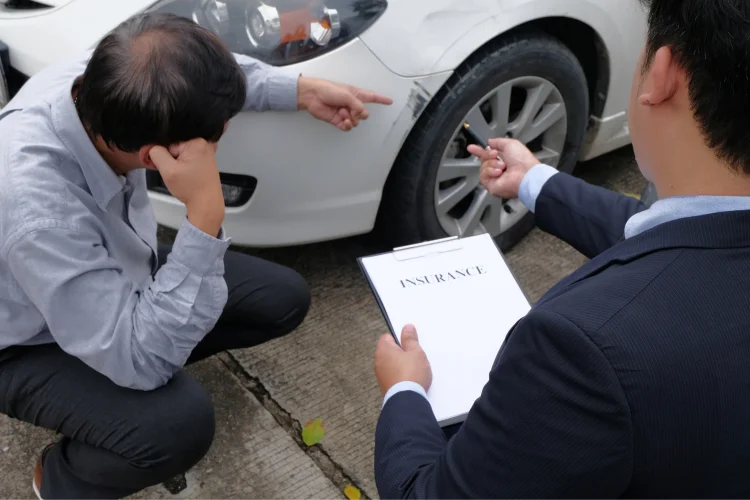
Getting into a car accident can be overwhelming. Even if no one is seriously hurt, the stress of the moment can make it hard to remember what to do next. Many drivers carry auto insurance but are unsure how the claims process works or how to file a car insurance claim properly.
The good news is that filing a claim doesn’t have to be complicated. With the right preparation and a clear understanding of each step, you can navigate the process confidently and avoid unnecessary delays. This guide explains what you need to know before an accident happens, what to do immediately after a crash, and how to work with your insurer to get your claim resolved.
What to Know About Your Policy Before an Accident Happens
No one expects to be in an accident, but knowing your coverage ahead of time can make a major difference when something goes wrong. Before an accident ever happens, understanding your auto insurance policy can save you time, money, and stress. Many drivers carry coverage without fully knowing what it includes or how it applies after a collision. Reviewing your policy in advance helps you make informed decisions if you ever need to file a claim.
Before the worst happens, make sure you understand the following parts of your policy:
- Liability coverage limits: This coverage pays for injuries or property damage you cause to others. Knowing your limits helps you understand how protected you are if you are found at fault.
- Collision coverage: Collision helps pay for damage to your own vehicle after an accident, regardless of fault. If you lease or finance your car, this coverage is often required.
- Comprehensive coverage: This applies to non-collision events like theft, vandalism, fire, hail, or falling objects.
- Optional coverages: These may include rental reimbursement, roadside assistance, and medical payments coverage. These extras can be especially helpful while your vehicle is being repaired.
It is also important to know how to report a claim. Many insurers allow claims to be filed by phone, online, or through a mobile app. Saving your insurer’s contact information ahead of time makes it easier to act quickly after an accident.
What to Do Immediately After an Accident
After a car accident, emotions can run high but staying calm and focused helps protect your safety and your insurance claim. There are several steps that should take priority in what to do after a car accident before you begin the claims process.
Immediately after an accident, you should:
- Move to a safe location if possible: Pull over and park away from traffic to reduce the risk of further collisions.
- Check for injuries: Make sure you and others involved are safe. Call emergency services if anyone is injured.
- Contact the police: A police report provides official documentation that may be important for your claim, especially if fault is disputed.
- Exchange information: Collect names, contact details, insurance information, and license plate numbers from all drivers involved.
- Document the scene: Take photos of vehicle damage, road conditions, traffic signs, and the surrounding area. If there are witnesses, ask for their contact information.
Avoid discussing fault at the scene. Statements made under stress can be misunderstood later. Focus on gathering accurate information and ensuring everyone’s safety.

How to Start Your Car Insurance Claim
Once the immediate situation is under control, contacting your insurance company should be your next priority. Starting your car insurance claim promptly helps protect your rights under the policy and allows the insurer to begin evaluating the damage while details are still fresh.
Most insurers offer several ways to file a claim, including by phone, online portals, or mobile apps. Choose the option that feels easiest for you, but try not to delay. Waiting too long can slow down the process or create unnecessary complications.
When you start your claim, be prepared to share clear and accurate information, including:
- The date, time, and exact location of the accident
- A brief description of how the collision occurred
- The names and insurance details of other drivers involved
- Police report information, if available
- Photos or videos from the scene
Your insurer will create a claim file and assign a claim number. This number is important, as you will use it for all future communication related to the accident. Ask your representative what to expect next, including timelines, inspections, and documentation requirements.
Starting your claim does not mean you are accepting fault. It simply allows your insurance company to investigate the incident and determine coverage based on the facts and your policy terms. It’s essential to be mindful of what you say or share when filing a claim and aware of how public social media posts affect your insurance claims.
Providing Documentation and Estimates
Strong documentation keeps your claim moving smoothly. Missing or incomplete paperwork is one of the most common causes of claim delays.
Be sure to keep records of:
- Repair estimates and final invoices
- Medical bills related to the accident
- Rental car receipts or transportation expenses
- Towing or roadside assistance costs
- Proof of lost wages, if applicable
Most insurers allow you to choose your own repair shop, even if they provide a list of preferred providers. Before authorizing repairs, confirm how much the insurer will cover and how your deductible applies.
Organizing documents in a single folder, either digital or physical, makes it easier to submit information when requested and avoids unnecessary follow-ups.
Working With Your Insurance Adjuster
An insurance adjuster plays a key role in evaluating your claim. Depending on the severity of the accident, the adjuster may inspect your vehicle, review repair estimates, or contact you for additional information.
To keep the process moving:
- Respond promptly to requests for documents or clarification
- Provide honest and accurate details about the accident
- Share any legal notices or settlement demands you receive
- Ask questions if something is unclear
While it may feel time consuming, cooperation helps your insurer protect you and process your claim fairly. The goal is to reach a settlement that aligns with your policy coverage. Insurance adjusters are responsible for evaluating damage and determining how coverage applies. Clear communication helps build trust and keeps the process moving.
If an adjuster inspects your vehicle, ask questions about how damage is assessed and how repair costs are calculated. Understanding this process can help you review estimates more confidently.
Keep a log of all conversations, including dates, names, and key points discussed. This record can be helpful if questions arise later or if your claim requires further review.

What to Do If You’re Not Satisfied with the Settlement
Receiving a settlement offer that feels too low can be frustrating, especially when you are already dealing with the stress of an accident. If the amount offered does not seem to cover your repairs, medical expenses, or other losses, you are not required to accept it right away. You have the right to ask questions, request clarification, and explore other options outlined in your policy.
Start by carefully reviewing the settlement details alongside your insurance policy. This helps you understand how the insurer calculated the payout and which coverages were applied. In some cases, missing documentation or overlooked damage can affect the final amount.
If you believe the settlement is insufficient, consider taking the following steps:
- Request a written explanation of how the settlement was calculated: This breakdown can help identify any gaps, exclusions, or valuation issues that may need to be addressed.
- Submit additional documentation: Providing updated repair estimates, medical bills, or proof of related expenses may support a higher settlement.
- Ask about the appraisal or dispute process: Many policies include a formal process for resolving disagreements over claim values. This may involve independent appraisers or additional review.
- Communicate in writing when possible: Keeping a clear record of emails, letters, and claim notes can be helpful if the issue escalates.
- Remain professional and patient: Disputes can take time, but clear communication often leads to better outcomes.
If the disagreement continues or involves a complex loss, you may also consider seeking advice from a legal professional or claims specialist. It’s also important to be aware of what to do legally after a car accident.
The goal is not conflict, but fairness. Taking the time to understand your rights and policy options can help ensure you receive a settlement that accurately reflects your covered losses.
How Freeway Insurance Can Help You Through the Claims Process
Filing a claim can feel stressful, especially after an accident. Freeway Insurance works with drivers every day to help them understand their coverage, navigate the claims process, and avoid costly mistakes that can delay payouts.
Beyond helping with claims questions, Freeway Insurance also helps drivers find affordable auto insurance policies that match their driving history, budget, and state requirements. If you want peace of mind on the road and confidence that your coverage will be there when you need it most, our bilingual agents can help you find the coverage that you need! Give us a call at 800-777-5620, stop by one of our offices near you, or start a quick quote online.
FAQs
How Long Do I Have to File a Car Insurance Claim?
Time limits vary by insurer and state, but it is best to report an accident as soon as possible. Delays can complicate the claims process.
Will My Insurance Rates Go Up After Filing a Claim?
Filing a claim may affect your rates depending on fault, claim type, and your driving history. Not all claims lead to premium increases.
Do I Pay My Deductible Before or After Repairs?
Typically, you pay your deductible when repairs are completed. The insurer covers the remaining approved costs.
Can I File a Claim Without a Police Report?
Yes, but a police report helps establish facts and may be required for certain claims. Always file one when possible.
What Happens If the Other Driver Doesn’t Have Insurance?
If you carry uninsured motorist coverage, your policy may help cover damages and injuries.
How Do I File a Claim in a Hit and Run Accident?
It’s important to know how to report a hit and run. You should call the police immediately, document the scene, and contact your insurer. Uninsured motorist coverage may apply.