Does Auto Insurance Cover Damage While Your Car Is Being Towed?
-


- 3+ Years of Insurance Content Experience
- Background in Journalism, Editorial Editing, and Academic Writing
Andrea Perez is a bilingual content writer at Confie, the parent company of Freeway Insurance, where she develops educational and marketing content for multiple insurance…
- 10+ Years of Marketing and Content Writing Experience
- Bachelor of Arts in Marketing
Ashley Walrath is a Content Writer at Confie, the parent company of Freeway Insurance, where she creates educational content that helps consumers better understand insurance and make informed coverage decisions. She develops consumer…
- 10 Years of Health Insurance Experience
- National Licensed Health Insurance Agent
Chris De La Rambelje is a licensed health insurance agent and experienced sales leader specializing in individual and family health insurance…

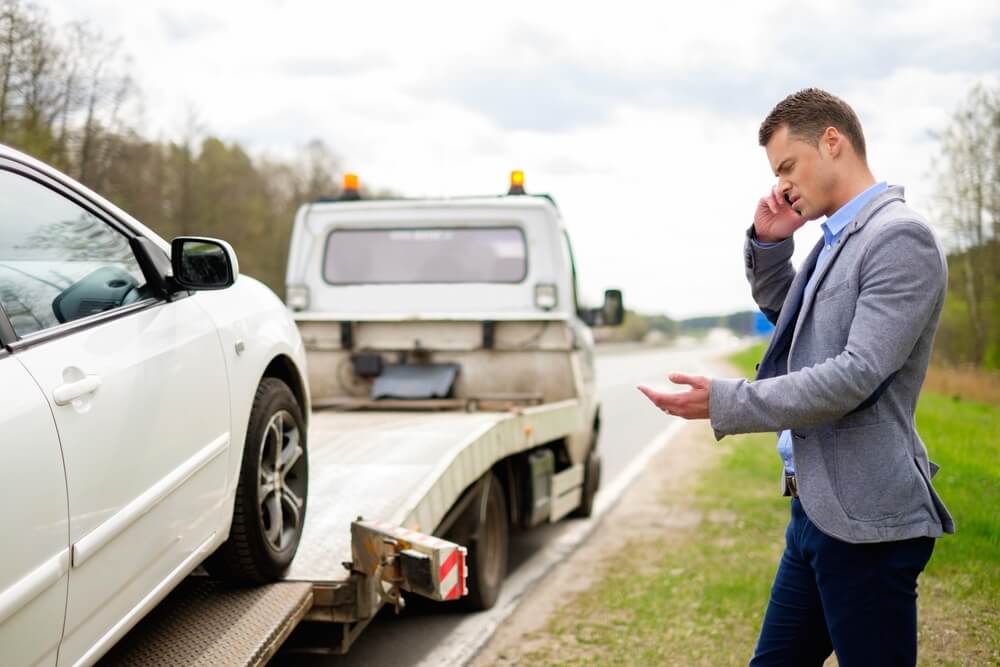
Imagine you’re stranded on a busy highway, your car refusing to start. Relief washes over you as a tow truck arrives to haul your vehicle to safety. But then, to your dismay, you notice new scratches or dents that weren’t there before—the towing process itself has caused damage. This unexpected twist can leave you wondering: who foots the bill for repairs? Does your auto insurance cover damage while your car is being towed, or is the towing company responsible? Understanding how your insurance coverage works in these situations can save you from costly surprises and stress.
Key Takeaways
- Towing damage can be covered by your auto insurance, the towing company’s insurance, or both, depending on fault and how the tow was arranged.
- Collision coverage may apply if your vehicle is hit while being towed, while comprehensive coverage protects against non-collision damage like vandalism, hail, or fire during the tow.
- Towing is typically not covered by standard car insurance – you need specific physical damage coverage or a roadside assistance add-on for protection.
- If the tow truck driver is negligent, the towing company can be held liable, and their liability insurance is often primary.
- Document damage immediately with photos and witness statements, then contact both the tow company and your insurer to file a claim.
How Cars Commonly Get Damaged While Being Towed
Common examples include:
- Drivetrain damage: Towing an AWD or 4WD vehicle with two wheels on the ground can severely damage the transfer case. Similarly, towing an automatic vehicle with its drive wheels on the ground can ruin the transmission. Towing can cause drivetrain and transmission damage when operators skip proper loading procedures.
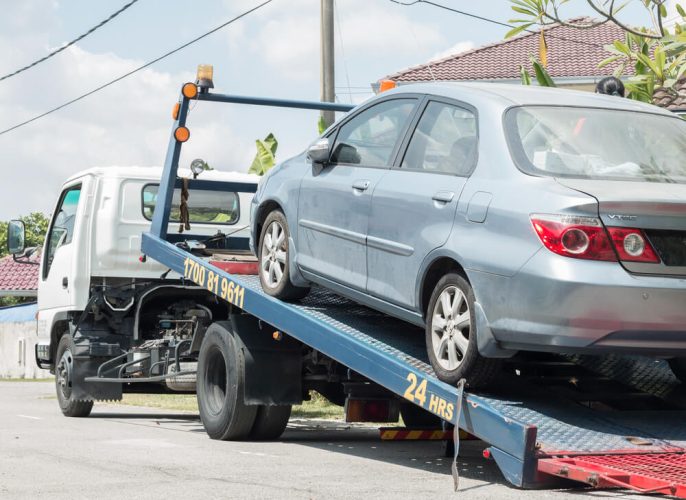
- Body and cosmetic harm: Scraped bumpers, cracked fascia from chains, and dented panels from shifting during transport. Soft straps should be used to prevent body damage during towing, and operators should use only designated recovery or tow points to prevent damage.
- Collision during transport: A tow truck involved in a traffic accident on the highway can damage the vehicle being transported along with it.
- Storage lot damage: Hail, vandalism, or other vehicles hitting your car while it sits on the towing company’s property.
Vehicle manufacturers often warn that incorrect towing can void warranties, so using the wrong towing method can result in truly expensive consequences. Use proper equipment for towing to prevent damage and note that regular checks on tire pressures can also prevent towing-related damage before a tow is even needed.
When Your Auto Insurance May Cover Tow-Related Damage
Whether your car insurance pays for tow related repairs depends on your insurance coverage type and how the incident occurred.
- Collision coverage applies when your car is hit or hits something while being towed. For example, if your vehicle is on a flatbed when the tow truck is sideswiped at an intersection, your collision coverage would typically pay for repairs minus your deductible. Your insurer may then pursue the at-fault driver through subrogation for reimbursement.
- Comprehensive coverage may cover towing-related damages from non-collision events – storms, theft, fire, or vandalism while the vehicle is in the tow company’s custody. Comprehensive coverage protects against non-collision damages that are otherwise unpredictable.
- If you carry liability insurance only, your policy does not pay to repair your own car. In most cases, you would need to pursue the at-fault towing company’s insurer for compensation instead.
Emergency Roadside Service can be added for towing coverage, but towing coverage is often limited to specific situations in policies – it typically covers the cost of the tow itself, not damage caused during the towing process. Roadside assistance can include towing, gas delivery, and jump starts, but repairs from a bad tow fall under other coverages like collision or comprehensive.
When the Towing Company’s Insurance Is Likely Responsible
Towing companies carry commercial auto liability and on-hook coverage, which is often primary when their driver’s negligence directly causes damage. Common negligence scenarios include skipping safety chains, using the wrong wheel-lift points, dragging a car with the parking brake engaged, or backing into a pole with a vehicle already hooked up.
Proving negligence requires showing a breach of duty of care – for example, through police reports, dashcam footage, clear photos of fresh scrape marks, or expert body-shop opinions confirming the damage matches the claimed towing error. Towing companies can be held liable for vehicle damage when evidence supports their fault.
If a municipality ordered the tow because your car was illegally parked, the contractor’s commercial tow truck insurance – not the city – is typically the first place to seek payment.
Who Arranged the Tow, and Why It Matters for Coverage
Using an insurer-approved roadside assistance network gives you an advantage: your insurance provider dispatches the tow truck, tracks the job, and can manage claims more efficiently if something goes wrong. Roadside assistance provides help for car issues anytime, and common services include towing, jump starts, and flat tire changes.
Roadside assistance differs from standard insurance by covering non-collision issues like flat tires and lockouts. Towing costs can vary based on distance and time of day, so having this optional coverage in place saves money and hassle.
If you independently contact a local tow company from the shoulder, that business’s own insurance policy and contract terms play a bigger role. Your insurer may become secondary or pursue subrogation later. If a dealership, body shop, or motor club arranged the tow, their garage or umbrella policy might also protect your vehicle – giving you more than one policy to investigate.
You can also read: What Does Emergency Road Service Include?
How to Document Tow-Related Damage and File an Insurance Claim
Careful documentation is key because tow companies and insurers often dispute whether damage existed before the tow. Here are your next steps:
- Take clear photos of all damage from multiple angles right when the car comes off the tow truck. Document the damage with photos or videos immediately, including close-ups of scrapes, broken parts, and the tow equipment involved.
- Gather witness statements from anyone present who saw the incident or the vehicle’s condition before and after the tow.
- Collect identifying information: the tow company name, driver’s full name, license plate of the tow truck, tow ticket number, and any incident form offered at the scene. Contact the towing company for their insurance details.
- Create a record of the damage for your claim – save everything digitally and keep a log of all calls and emails.
- File an insurance claim if your policy covers towing damage. Call the claims number on your ID card or work through a Freeway Insurance agent who can help submit photos, repair estimates, and tow documentation.
To pursue the tow company’s insurer directly, send a written notice of loss, request a claim number, and follow up in writing. Act quickly to strengthen your compensation claim – delays make it harder to prove the damage was tow-related.
Taking photos of vehicle condition before towing can help in claims, so document any existing dents or damage before the tow begins whenever possible.

Disputes, Small Claims Court, and When to Get Expert Advice
If the towing company denies responsibility, start by speaking with a manager and sending a detailed demand letter with photos, repair estimates, and the tow receipt. Request the name of their liability carrier and policy number.
In some situations, it makes more sense to use your own collision or comprehensive coverage and let your insurer seek reimbursement through subrogation, especially when you need fast repairs.
Seek legal advice if the towing company denies responsibility, injuries are involved, or damages are high. Legal professionals can help navigate liability disputes effectively. Consult a lawyer when multiple parties – another driver, a city contractor, and a tow yard – may each be partially at fault, because the person determining liability and coverage layering needs experience.
How to Protect Yourself Before You Need a Tow
Review your insurance policy declarations page to confirm you carry collision coverage, comprehensive coverage, and a roadside assistance plan that clearly states how towing damage and policy limit amounts are handled.
Choose reputable, well-reviewed towing companies – especially those vetted through an auto insurer or a roadside assistance cover program – rather than unknown providers with weaker insurance or inconsistent training. Learn how to prevent your car from being towed after a breakdown so you can manage the situation safely.
Get Protected on the Road with Freeway Insurance
Compare auto insurance and roadside assistance coverage options through Freeway Insurance. Get a fast quote online, call an agent at 800-777-5620, or visit a local office to find coverage that fits your budget and keeps you safe on every road, every time.
FAQs About Tow-Related Damage and Auto Insurance
These answers are general information for U.S. drivers as of 2026. Always confirm details with your own insurance company or a licensed agent.
What if my car was already damaged before the tow – will insurance still help?
Auto insurers and tow companies generally only pay for new damage. Adjusters may compare current photos to earlier claim records or dealer service history to separate old from new damage. Be upfront about prior issues while firmly insisting that clearly new harm – like fresh scrapes where the hook was placed – be included in any estimate.
Can my insurance rates go up if I file a claim for towing damage?
Insurance claims history is one factor insurers consider when pricing car insurance. Even comprehensive or not-at-fault claims can sometimes affect premiums depending on the carrier and state rules. Ask your agent or a Freeway Insurance representative how a specific towing damage claim might affect your limit on discounts before deciding whether to pay out of pocket or file.
What if the tow truck driver leaves before I notice the damage?
Take photos as soon as you discover the problem, save the tow receipt, and contact the towing company the same day to report the issue and request their insurance information. Security camera footage from the tow yard or nearby business, along with witness statements from bystanders, can help prove when the incident occurred. Notify your auto insurer promptly so they can help investigate, even if you ultimately pursue the tow company’s liability policy or small claims court for compensation.