
Why Road Courses Like COTA and Sonoma Are Changing NASCAR
-


- 8+ years of experience in content writing, proofreading, SEO, and QA.
- Bilingual Senior Content Writer specializing in insurance content and process optimization.
Monica Alarcon is a Senior Content Writer at Freeway, where she ensures that every piece of content is accurate, clear, and consumer‑focused. Her role combines writing with editoria…
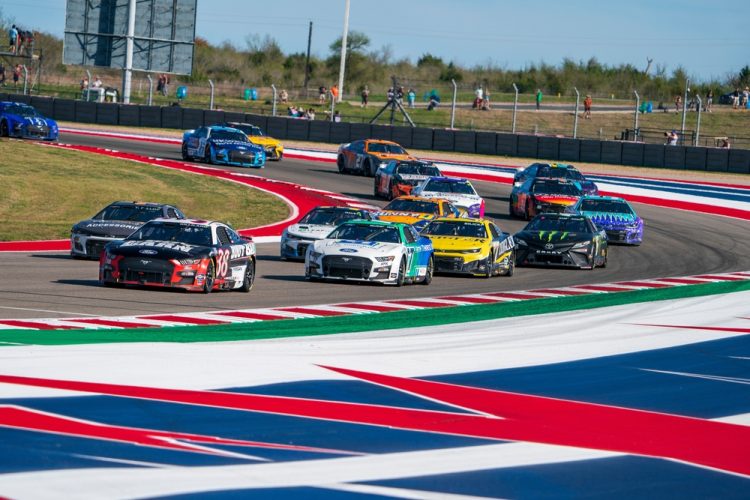
The NASCAR Cup Series is coming back to Circuit of the Americas in Austin on March 1, 2026, for the DuraMAX Texas Grand Prix. This is a NASCAR road course with racing features including left and right turns, hills, and narrow paths. These road courses are changing how stock car racing looks, feels, and rewards drivers. Unlike traditional oval tracks where cars mainly turn left and focus on speed and drafting, road courses need drivers to be very precise, patient, and adaptable. Drivers must constantly shift gears, brake hard, and steer carefully through tight corners.
This article explains how tracks like COTA and Sonoma Raceway are changing the NASCAR Cup Series, why the sport has started to love road course racing after mostly focusing on ovals, and what these changes mean for fans, teams, and the future of racing. Whether you’re a longtime NASCAR fan wanting to learn more about the challenges or a new viewer wondering why these races are so exciting, you’ll find useful information here.
Road courses bring technical driving, surprising results, and strategy-heavy racing that is changing modern NASCAR: Giving chances to underdogs and rewarding drivers who master right turns, heavy braking, and smart pit stops.
By the end of this article, you’ll understand:
- The history of NASCAR’s road course racing
- The challenges that make COTA and Sonoma special
- The main differences between these two top road courses
- How road courses are changing how drivers improve and how races end
- Real driving lessons these tracks can teach us
Notable NASCAR Road Courses
The most famous NASCAR road courses are Sonoma Raceway, Watkins Glen International, and the Circuit of The Americas. Here’s a quick look at each and some other important tracks on the current schedule:
- Circuit of the Americas (COTA): A 3.426 mile (5.514 km) road course in Austin, Texas, known for big hills and 20 turns.
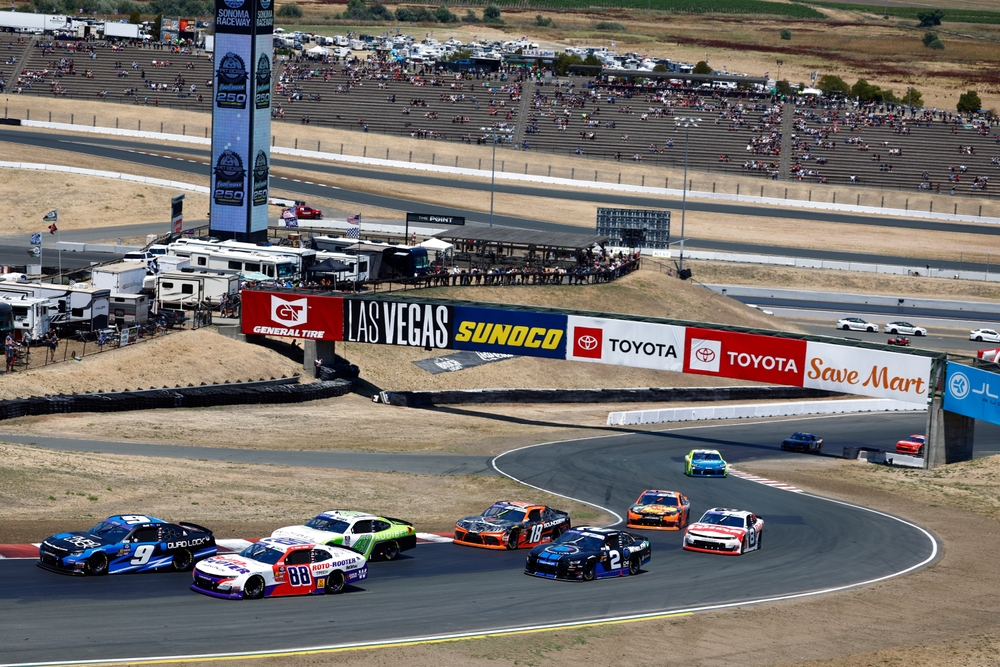
- Sonoma Raceway: A 12-turn, 2.52-mile track located in California’s wine country. Sonoma has been on the NASCAR schedule since 1989.
- Watkins Glen International: Known for fast, flowing corners that need smooth and precise driving. The Cup Series holds the Go Bowling at The Glen race here, and Watkins Glen has hosted NASCAR Cup Series races since 1957.
- Chicago Street Course: A city street race with tight corners and tough barriers, bringing NASCAR to urban areas.
- Charlotte Motor Speedway ROVAL: A 17-turn track that mixes the oval and infield road course, home to the Bank of America ROVAL 400.
Other important tracks include Road America, which had its first NASCAR Cup Series race on August 12, 1956.
NASCAR Was Built on Ovals — So Why the Road Course Boom?
NASCAR’s history is all about big oval tracks like Daytona International Speedway and short tracks where cars turn left and race close together. In the early years, NASCAR mostly raced on oval tracks, but the first official road course race was held at New Jersey’s Linden Airport in 1954. So why has NASCAR started to include so many road courses now?
Road Courses Used to be Rare in NASCAR
For most of NASCAR’s 75+ years, road course racing was rare. From 1967 to 1980, Riverside International Raceway in California was the only road course on the Cup Series schedule—a 13-year time when right turns were almost unheard of. When Riverside closed in 1989, Sonoma Raceway and Watkins Glen International became the only road course tracks, giving fans just two chances a year to see stock cars on road courses.
This was not by accident. In 1972, NASCAR changed its schedule to focus on certain oval tracks, dropping dirt ovals and shorter tracks. Road courses were not part of NASCAR’s main identity. Since NASCAR started on oval tracks like Daytona Beach, most drivers, teams, and fans thought of NASCAR as left-turn-only racing.
NASCAR’s Modern Schedule Looks Very Different
Now, the Cup Series has seven road course races, a big change from just a few years ago. Circuit of the Americas (COTA) joined the schedule in 2021 and held its first NASCAR Cup Series race on May 23, 2021, bringing NASCAR to a world-class Formula One track. Sonoma Raceway will host the Cup Series on July 11-13, showing its importance as a top road course. The Chicago Street Course brought city street racing to NASCAR for the first time. Charlotte Motor Speedway’s ROVAL, a 17-turn infield road course mixed with the oval, has become a playoff favorite.
Road courses now make up about 20% of the Cup Series races, up from about 5% when there were only two road course races. For fans watching the full schedule, road course racing has changed from a rare event to a regular part of NASCAR that affects the championship.
What Makes Road Courses Like COTA and Sonoma So Hard?
The increase in road courses is not just for variety—these tracks need very different skills from drivers used to oval racing. Road courses require drivers to brake hard into sharp corners and master shifting gears, making the racing more technical.
Surprises happen often because even the best drivers can make mistakes under pressure. The excitement of NASCAR road course racing comes from the close, physical racing in tight sections.
Winning on these tracks is not just about speed; it’s about being precise, planning well, and adjusting to changing conditions. Road courses need careful fuel use and tire care because of heavy braking and quick acceleration. These races can last several hours, testing both drivers and teams.
Right Turns Change Everything
On oval tracks, cars are set up to turn left only. Suspension, tire angles, and aerodynamics are all designed for left turns at high speed. Road courses are different. Cars need balanced setups to handle both left and right turns. Drivers must take right turns with the same focus as left turns, so teams find a setup that works well enough in both directions.
This changes how drivers approach corners and manage tires on different parts of the track. Since road courses have sections with mostly left turns and others with right turns, the car’s handling changes a lot during one lap.
Heavy Braking Zones Create More Mistakes
Unlike ovals where braking is gradual, road courses have spots where drivers must slow down very quickly. At COTA, drivers come into Turn 1 at over 180 mph and brake hard for a tight left turn. This creates chances to pass other cars that don’t happen on ovals.
Hard braking also punishes mistakes. If a driver locks up a tire entering a chicane, it hurts their lap time and position. The brakes and drivers’ skill in using the brake pedal are very important. Brake fade (losing brake power) is a real problem, so teams balance aggressive driving with saving equipment.
Pit Strategy Gets More Complicated
Pit stops on road courses are very different from ovals. Because laps take longer, there are fewer chances to pit during green flag racing, so timing is critical. Fuel calculations are more complex because drivers use the throttle differently on different parts of the track.
Tire choices also matter more. Different corners and speeds wear tires unevenly. Teams try to predict how tires will perform on different parts of the track, not just lap by lap.
COTA vs Sonoma — Two Very Different Road Course Challenges
Not all road courses are the same. COTA and Sonoma Raceway both host NASCAR Cup Series races but offer very different tests, rewarding different skills and creating different racing styles. Sonoma Raceway, one of the most famous road courses, has the highest elevation change of any NASCAR track at 160 feet. Watkins Glen International, another important track, is known for its eight-turn, 2.45-mile layout.
COTA Brings Speed and Big Restarts
Circuit of the Americas is 3.426 miles long with 20 turns and big hills throughout the Austin, Texas track. The long front straight lets drivers draft at high speed, which is rare for road courses. Turn 1 is an uphill braking zone that often causes big battles early in the race.
NASCAR made safety changes for stock cars, but COTA still feels like a top international track. Several racing lines through corners let drivers try to pass in ways not possible on narrower tracks. Restarts at COTA are exciting because the mix of fast zones and different turns creates chaos that rewards bold moves.
Sonoma Rewards Precision and Patience
Sonoma Raceway in California’s wine country is shorter at 2.52 miles with 12 turns. It is more technical and narrow. Passing mostly comes from being patient, managing tires, and smart pit stops rather than outbraking others.
The track forces drivers to be very precise—mistakes cost time and space to recover is limited. Where COTA rewards aggressive driving, Sonoma often rewards careful driving. The winner at Sonoma is often someone who saves their car while others wear out tires or make errors.
Fans wanting to attend Sonoma Raceway races can buy tickets and parking through the official website or by phone.
| Feature | COTA | Sonoma |
| Length | 3.426 miles | 2.52 miles |
| Turns | 20 | 12 |
| Racing Style | Fast, multiple lines | Technical, narrow lines |
| Key Skill | Restarts and positioning | Patience and precision |
| Elevation Changes | Big hills throughout | Moderate rolling hills |
Knowing these differences helps fans understand why some drivers do better at one track than the other—and why having both types makes the Cup Series more complete.
The Growing Popularity of Road Courses Among NASCAR Fans
The NASCAR Cup Series has seen road courses become very popular, as fans enjoy the unique excitement these tracks bring. Unlike oval tracks, road courses like Sonoma, COTA, and Charlotte’s ROVAL offer new challenges and thrilling races. Adding more road courses has made NASCAR more exciting and unpredictable.
Fans love the style of racing on road courses. With big hills, tight turns, and narrow paths, tracks like Sonoma and Watkins Glen push drivers to their limits. Fans enjoy watching their favorite drivers adapt, knowing that winning needs skill, strategy, and flexibility beyond what oval tracks require. The NASCAR Xfinity Series and ARCA Menards Series also have more road course races, giving fans even more exciting action.
Drivers support this change too. Denny Hamlin, the defending winner at Sonoma, praises the track’s challenge and how it lets drivers show skill. Ryan Blaney and others agree that road courses reward precision and quick thinking. The winner often is the driver who best manages the track’s turns, hills, and pit stops—making every lap a test of mind and machine.
The fan experience is also great. Whether it’s the beautiful California wine country at Sonoma, the top-class facilities at COTA in Austin, or the lively atmosphere at Charlotte Motor Speedway, each road course offers a unique setting that makes race weekends special. Fans come to these events eager to see Cup Series and Xfinity Series drivers face the toughest tracks.
Road courses are now a key part of the Cup Series. Their growing popularity shows NASCAR’s willingness to try new things and give fans different kinds of racing. With new tracks and layouts coming, and drivers like Denny Hamlin and Ryan Blaney leading the way, the future of NASCAR road course racing looks bright. Whether you’re a longtime fan or new to NASCAR, the mix of speed, skill, and strategy at these tracks makes every road course race a must-watch.
How Road Courses Are Changing NASCAR’s Future
Adding more road courses is not just about variety—it’s changing how drivers learn, how teams plan, and how races play out.
Drivers Need New Skills to Win
Before, drivers mostly learned on short tracks and ovals like Daytona and Charlotte. Road courses were not a big focus.
That’s changing fast. Drivers like Ryan Blaney who train on road courses—sometimes by racing in other series or using simulators—have an edge during the seven road course races each year. Some teams now look for drivers with sports car or open-wheel racing backgrounds because road course skills can decide championships.
Even veteran drivers must adapt. Skills that worked for years on ovals don’t always work on road courses. Some famous oval racers have struggled on road courses, while others, like Dale Earnhardt’s famous 1995 Sonoma win, show that adapting is always important.
Unpredictable Outcomes
Road courses often have different winners than ovals. The technical demands make racing more even between big teams and smaller ones. When driver skill through turns matters as much as car speed, underdogs get more chances to win.
Chances for Underdogs
The surprises continue in race results. Fuel strategy, tire choices, and weather changes (which affect road courses more) create many variables that lead to unexpected winners. For fans, road course weekends are full of excitement and uncertainty.
What NASCAR Road Courses Teach Us About Everyday Driving
The skills NASCAR drivers use on road courses apply surprisingly well to daily driving—lessons useful whether you’re driving in Austin, California’s wine country, or thinking about the history of Daytona International Speedway.
- Unexpected Turns Happen Quickly: Road course racing teaches drivers to be aware and make fast decisions. They must notice changing conditions—like tire grip, other cars, and braking points—while driving fast. The best drivers plan ahead instead of just reacting. Drivers like Kyle Busch are known for being aggressive and adaptable on road courses. This helps everyday drivers by showing how to stay aware, keep space, and make quick, safe decisions.
- Safety Off the Track Matters Too: NASCAR teams prepare for surprises with safety plans and protection because even the best drivers can’t control everything. The same idea applies to everyday driving. Having good auto insurance protects you from accidents, weather damage, or car problems. Just like NASCAR invests in safety, you should protect yourself with proper coverage.
Freeway Insurance’s partnership with NASCAR connects racing preparation to real-world protection. The company sponsors drivers like Daniel Suárez and offers coverage options for fans who understand the importance of being ready.
Get Ready for Life’s Unexpected Turns With Freeway Insurance
Road course racing shows us that life has right turns, left turns, and everything in between. The surprises that make COTA and Sonoma exciting also happen in daily driving—you never know when conditions will suddenly change.
Freeway Insurance gets this. As a top partner of the NASCAR Cup Series, the exclusive NASCAR insurance provider and a sponsor of driver Daniel Suarez, Freeway supports racing while offering affordable auto insurance to protect you when life throws unexpected curves.
Whether you’re going to a race or driving your daily route, having good coverage matters. Contact Freeway Insurance by phone at 800-777-5620, on the website for a quick quote or stop into one of our convenient locations to learn about your options and make sure you’re ready for whatever the road brings.
Conclusion and What’s Next
Road courses have gone from rare events to key parts of NASCAR championships. The seven road course races on the Cup Series schedule reward technical skill, smart strategy, and adaptability, adding to the traditional oval racing. COTA and Sonoma offer different challenges—one favors speed and aggression, the other precision and patience—but both test stock car racing in new ways.
Next steps:
- Watch the DuraMAX Texas Grand Prix at COTA this March to see road course racing live
- Compare how drivers do at COTA and Sonoma to see how different skills work on different tracks
- Follow how road course results affect the playoffs during the season
You might also want to learn about how the Next Gen car works differently on road courses, what new road courses might join NASCAR, and how the NASCAR Xfinity Series and ARCA Menards Series use road courses.
Frequently Asked Questions
When is the DuraMAX Texas Grand Prix at COTA?
The DuraMAX Texas Grand Prix at Circuit of the Americas in Austin, Texas is on March 1, 2026, starting at 3:30 p.m. ET. The Cup Series schedule, including this race, is usually announced in December or January. Check the official schedule for exact dates and TV times. The race weekend usually includes qualifying and support races on several days.
When is the Toyota/Save Mart 350 in Sonoma?
The Toyota/Save Mart 350 at Sonoma Raceway is June 28, starting at 3:30 p.m. ET. The event usually has good weather in California’s wine country.
What Does COTA Stand For?
COTA means Circuit of the Americas, a 3.426-mile road course in Austin, Texas. Built mainly for Formula One, COTA has hosted NASCAR Cup Series races since 2021 and has 20 turns with big hills.
Do Road Courses Have More Passing?
Yes, road courses usually have more passing than ovals because of many braking zones where drivers can outbrake others. Hard braking into corners and different racing lines let drivers pass in ways not possible on ovals.
What Should New Fans Know Before Watching a NASCAR Road Course Race?
New fans should know that road course racing needs different skills than oval racing. Watch for pit strategy, tire management, and how drivers handle hard braking spots. Restarts are exciting because the different turns create passing chances right after the green flag.
How Many Road Courses Are in the NASCAR Cup Series Season?
The NASCAR Cup Series now has seven road course races, about 20% of the season. This includes COTA, Sonoma Raceway, Watkins Glen International, Charlotte Motor Speedway ROVAL, Chicago Street Course, and some international tracks.
Are Stock Cars Changed for Road Races?
Yes, teams change cars a lot for road courses. Brake cooling is improved for heavy braking, suspension is adjusted for left and right turns, and gear ratios are changed for different speeds. Tire choices and pit strategies are also very different from ovals.