Outdoor Structures Insurance: How Homeowners Coverage Protects Your Backyard Investments
-


- 4 Years of Insurance Content Experience
- B.A. in Philosophy, National Autonomous University of Mexico (UNAM)
Erandi García is a bilingual Senior Copywriter at Confie, the parent company of Freeway Insurance, where she creates educational insurance content for English- and Spanish-speaking audiences. She…
- 13+ Years of Editorial and Content Strategy Experience
- B.A. in English, Creative Writing, Colorado State University
Brandon Farestad is the AI Content and Editorial Manager at Confie, the parent company of Freeway Insurance, where he leads editorial strategy, content operations, and publishing standards…
- 13 Years of Insurance Industry and Content Experience
- B.S. in Applied Technology and Performance Improvement, University of North Texas
Rose Carter is an insurance content strategist and marketing executive with 13 years of experience developing consumer-focused insurance education and digital…

Your backyard may include valuable additions such as pergolas, pools, sheds, and outdoor kitchens. But does your homeowners insurance cover these features? The answer depends on the structure, how it is connected to your home, and the terms of your policy. Understanding how outdoor structures insurance works can help you identify potential coverage gaps and know when it may be time to review your policy.
How Homeowners Insurance Treats Outdoor and Detached Structures
A homeowners insurance policy typically includes different types of coverage for the home, other structures, personal property, and additional living expenses. Detached outdoor structures may fall under Coverage B, also known as other structures coverage.
“Other structures” generally refers to buildings and features separated from the main home by clear space. Common examples may include:
- Detached garages and carports
- Storage sheds and workshops
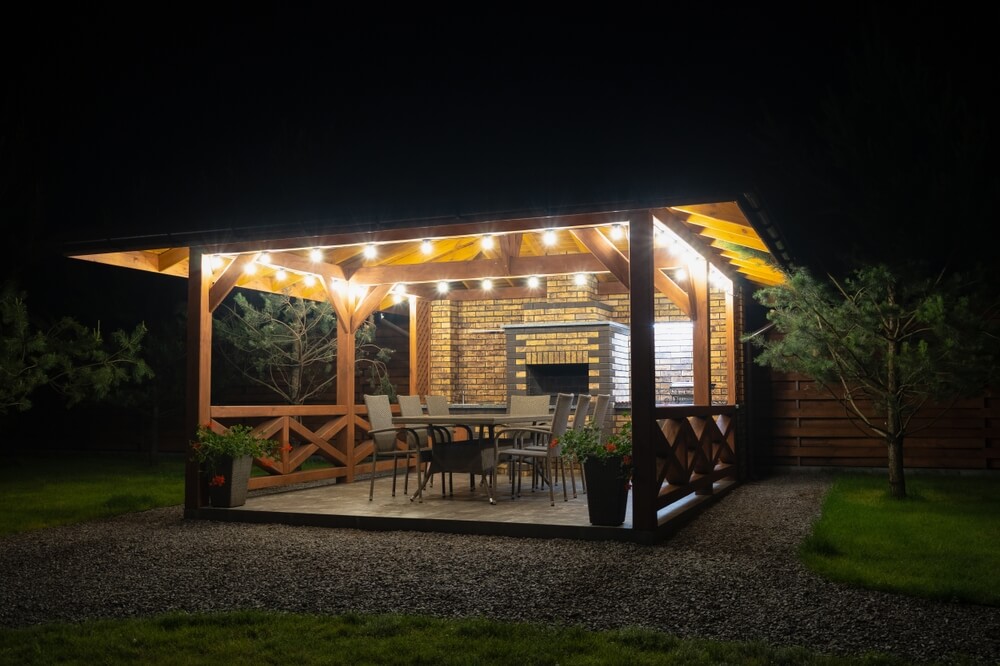
- Gazebos, pergolas, and pavilions
- Fences and gates
- Certain pools and hot tubs
- Guest houses or casitas not used primarily for business purposes
Features physically attached to the main dwelling, such as an attached patio cover, deck, or garage, may instead fall under Coverage A, or dwelling coverage.
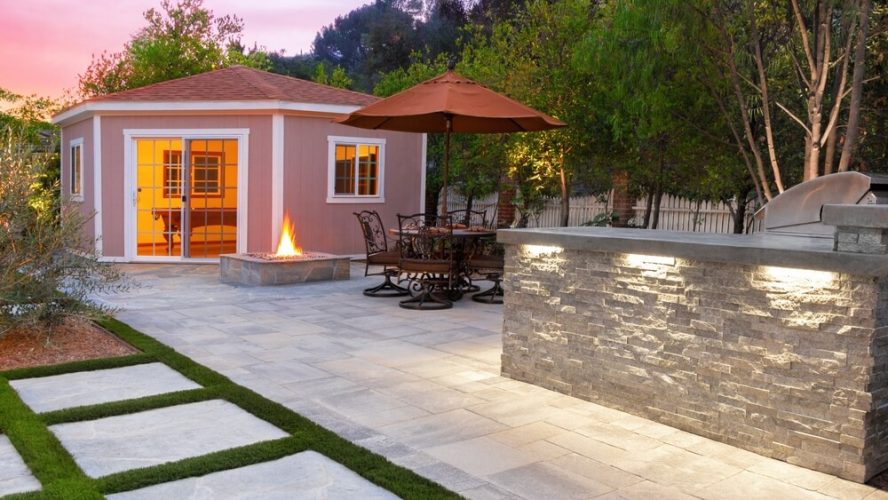
Outdoor living areas can include a combination of structures, hardscaping, built-in features, and permanent fixtures. How each feature is classified can vary by insurer, policy, and state, so a Freeway Insurance agent can help you understand how a particular carrier may classify the structures on your property.
What Counts as “Other Structures Coverage” (Coverage B)?
Coverage B is the part of a homeowners insurance policy that may help pay to repair or replace qualifying detached structures after a covered loss. Coverage limits and the types of structures that qualify depend on the specific policy.
Other structures coverage commonly applies to detached garages, fences, gazebos, and sheds. Certain pools, pergolas, and other permanent backyard features may also qualify, depending on how the insurer classifies them.
Examples of structures that may fall under Coverage B include:
- A privacy fence installed around the backyard
- A detached garage
- A prefabricated storage shed
- A wooden gazebo over a patio
- A freestanding pergola
Coverage B generally applies to the structure itself. Personal belongings stored inside a structure are usually handled under Coverage C, or personal property coverage, subject to applicable limits, exclusions, and deductibles. For example, the shed and the power tools stored inside it may fall under different portions of your policy.
Some insurers may classify improvements such as driveways, pools, or built-in outdoor kitchens differently. Check with your insurance provider to determine how specific features on your property are covered. Before starting a major backyard project, review the Coverage B section of your homeowners policy, including its limits, exclusions, and loss settlement terms.

Covered Perils, Exclusions and Limitations for Outdoor Structures
Other structures coverage may protect qualifying structures against many of the same types of covered losses that apply to the main home. Depending on the policy, covered events may include wind, hail, lightning, fire, theft, vandalism, or falling objects.
Examples may include a falling tree damaging a backyard studio, a falling object striking a carport roof, or wind damaging fence panels.
However, homeowners insurance does not cover every type of damage. Common exclusions or limitations may include:
- Normal wear and tear: Deterioration such as rotting posts, faded materials, or general weathering is typically not covered.
- Maintenance-related damage: Damage caused by neglect or a lack of routine maintenance is generally excluded.
- Damage from pests or rodents: Damage caused by termites, carpenter ants, rodents, or other pests is generally the homeowner’s responsibility.
- Flood damage: Standard homeowners insurance generally excludes flooding. Separate flood insurance may be needed for this type of loss.
- Earth movement: Damage related to earthquakes, settling, or ground movement is generally excluded from standard homeowners coverage.
Structures used for business purposes may also have different coverage requirements. If a detached building is used as a rental unit, short-term rental, or business office, you may need an endorsement or separate coverage.
Smaller losses to fences, sheds, or other structures may also be less than your deductible, meaning your policy may not provide a payment for the loss. Review your exclusions and limits and talk with a Freeway Insurance agent about how your insurer handles features such as pools, detached offices, and other specialty structures.
How Much Outdoor Structures Coverage Do You Need?
The amount of other structures coverage you need depends on the number, type, and replacement cost of the detached structures on your property.
A home with only a basic fence or small storage shed may have very different coverage needs than a property with a detached garage, pool, gazebo, guest house, or extensive outdoor living area.
To estimate how much coverage you may need:
- List your detached and outdoor structures, including their approximate dimensions and age.
- Gather replacement cost estimates using recent invoices, contractor estimates, or other reliable information.
- Compare the estimated replacement costs with the Coverage B limit shown on your declarations page.
- Ask your insurer whether higher limits or endorsements are available if your existing coverage may not be enough.
The way a covered loss is settled also matters. Actual cash value coverage generally accounts for depreciation, which can reduce the amount paid for an older structure. Replacement cost coverage is generally based on the cost of repairing or replacing covered property without deducting for depreciation, subject to the terms and limits of the policy.
Coverage options vary, so review your policy carefully and ask your agent how your outdoor structures would be valued after a covered loss. Freeway Insurance can help customers compare homeowners policies and explore coverage options for properties with detached structures and other backyard features.
When to Review or Update Your Outdoor Structures Coverage
Don’t wait until a covered loss reveals that your outdoor structures may not have enough protection. Certain property changes are a good reason to review your homeowners policy, including:
- Building a new in-ground pool, spa, or hot tub
- Adding an outdoor kitchen with built-in appliances
- Constructing a detached garage, workshop, or home office shed
- Installing an expensive privacy fence or retaining wall
- Converting a detached structure into a guest house or accessory dwelling unit
- Adding significant permanent outdoor features, such as a large patio or fire pit
Keep receipts, building plans, contractor estimates, and photos of major projects in a safe place. Sharing updated information with your agent can help ensure your policy reflects changes to your property.
It is also a good idea to review your homeowners policy annually and after significant renovations or additions. This gives you an opportunity to check your coverage limits and discuss any new structures or improvements with your insurance provider.

Get the Right Homeowners Insurance Coverage for Your Outdoor Structures
Your homeowners insurance should reflect more than just the main house. If you’ve added a shed, pool, pergola, outdoor kitchen, or other backyard features, reviewing your policy can help you understand how those improvements may be covered.
Contact Freeway Insurance to compare homeowners insurance options based on your property and coverage needs. An agent can help you review your current coverage or explore available policy options for your home and outdoor structures.
Get a quote online, visit a nearby Freeway Insurance office, or call 800-777-5620 to speak with an agent.
FAQs About Outdoor Structures Insurance
Does my homeowners insurance cover an above-ground pool or inflatable pool?
Coverage depends on the insurer and policy. Some carriers may tr
eat permanent above-ground pools as other structures, while others may classify them differently or require additional coverage. Inflatable or temporary pools may also be treated differently.
Ask your agent how your policy classifies your pool and whether there are coverage or safety requirements, such as fencing or secured gates.
Are my tools and lawn equipment in the shed covered the same way as the shed itself?
Not necessarily. The shed itself may be insured under Coverage B, or other structures coverage, while belongings stored inside, such as lawn equipment, power tools, and patio furniture, may fall under Coverage C, or personal property coverage.
Coverage is subject to the limits, exclusions, and deductibles in your policy, so review your personal property coverage if you keep valuable equipment in a detached structure.
What happens if I start renting out my detached guest house or backyard studio?
Using a detached structure as a rental or business space can change how it is insured and may create coverage limitations under a standard homeowners policy.
Notify your insurance provider before renting the space or using it for business purposes. Your agent can help determine whether an endorsement, landlord policy, business coverage, or another insurance option may be appropriate.
Do I need separate insurance for a retaining wall or big landscaping project?
Coverage for landscaping, retaining walls, and similar improvements varies by policy and the cause of damage. Certain landscaping may have limited coverage for specific covered losses, while damage caused by earth movement, settling, poor drainage, or maintenance issues may be excluded.
If you’re planning an expensive retaining wall, terracing project, or major landscaping improvement, discuss it with your insurance provider to understand how your policy may apply.
Can I lower my premium by reducing other structures coverage if I only have a small fence?
Coverage B may be included as part of a homeowners policy, and whether its limit can be reduced depends on the insurer and policy.
Rather than reducing coverage without understanding the potential impact, talk with a Freeway Insurance agent about your options. An agent can help you review deductibles, available discounts, coverage limits, and other factors that may affect your homeowners insurance costs.