Daytona 500 Survival Guide: What to Bring, Wear, and Expect
-


- 8+ years of experience in content writing, proofreading, SEO, and QA.
- Bilingual Senior Content Writer specializing in insurance content and process optimization.
Monica Alarcon is a Senior Content Writer at Freeway, where she ensures that every piece of content is accurate, clear, and consumer‑focused. Her role combines writing with editoria…
If you’re gearing up for the Daytona 500, you’ve come to the right place! This guide is your go-to for making sure you have everything you need to enjoy one of NASCAR’s biggest and most exciting events.
Whether it’s your very first race or you’re a returning fan, we’ll cover all the essentials, from what to pack and what to wear, to tips on how to make the most of your day at the track. So, let’s get you ready to soak in the energy, the roar of the engines, and all the fun that the Daytona International Speedway has to offer!
Why the Daytona 500 Is Unlike Any Other NASCAR Race
If you’ve ever thought about attending a NASCAR race, there’s no better place to start than the Daytona 500. Held every February at Daytona International Speedway in Daytona Beach, Florida, this 500-mile showdown kicks off the NASCAR Cup Series season with the kind of energy that turns first-time fans into lifelong enthusiasts.
This Daytona 500 guide from Freeway Insurance is designed specifically for newcomers, casual fans, and families who want practical advice on what to bring, what to wear, and what to expect when they walk through those gates for the first time.
What to Bring to the Daytona 500
This is your core race day checklist. Before you pack, always double-check the current gate policies on the Daytona International Speedway website, as rules can change from year to year. The speedway allows fans to bring their own food and drinks within specific guidelines, which can save you significant money over a long day.
- Arrive 3–4 hours early
- Expect heavy traffic near the speedway
- Parking may be paid, free + shuttle, or off-site
- Take a photo of your parking location
- Security includes bag check + metal detector + ticket scan
- Pre-race area includes Midway, merch, fan zone, concerts
- The race is 200 laps with 3 stages
- Races pause for rain and may be postponed
- Plan for 6–10 hours total
- Leaving can take 2–3 hours due to traffic
- Cell service may be unreliable after the race
Creating a simple printed checklist before you pack helps ensure you don’t forget stuff that could make or break your comfort level. Arriving prepared means you can focus on the race instead of scrambling to find what you need.

What to Wear for a Full Day at Daytona
Florida weather in February can swing dramatically. Mornings often start in the 50s-60s °F, while afternoons can climb into the 70s-80s °F. Dressing in layers is your best bet for staying comfortable throughout the event.
- Breathable shirt (moisture-wicking if possible)
- Light hoodie or jacket (easy to tie around your waist)
- Comfortable shorts or lightweight pants
- Closed-toe walking shoes (skip sandals/new shoes)
- Hat + sunglasses
- Optional: bandana/neck gaiter for extra sun protection
Dressing Different Groups:
| Group | Recommendations |
| Families with kids | Families with kids, matching team shirts, layers for evening cooling, bright colors to spot each other in crowds |
| First-time fans | Comfortable, modest clothing suitable for sitting in close quarters for hours |
| Evening races | Extra layer ready if the race runs long and temperatures drop after sunset |
Security Considerations:
- Minimize excessive metal accessories to speed up screening
- Wear a belt that won’t constantly trigger metal detectors
- Keep pockets simple and organized
Be aware of these items that are prohibited and allowed inside the Daytona 500:
Prohibited Items
- Bags & Coolers: Hard-sided coolers, foam coolers, and any non-clear bags, backpacks, or duffle bags over 17″ are not allowed.
- Containers: Glass or ceramic containers are forbidden.
- Electronics/Noise: Laser pointers, air horns, noise makers, tripods, monopods.
- Other: Fireworks, illegal substances, dry ice, large umbrellas, selfie sticks, and seat cushions with metal.
Permitted Items
- Bags: Clear bags (max 18″x18″x14″) and small clutch purses are allowed.
- Coolers: Soft-sided coolers (max 14″x14x14″) are permitted.
- Drink: You can bring unopened beverages (including alcohol) in allowed bags/coolers, but no glass.
- Essentials: cameras, binoculars, and seat cushions (no metal).
Wearing your favorite driver’s gear adds to the fun and helps you connect with fellow race fans. If you’re cheering for Daniel Suárez or any other driver, representing your team colors is part of the experience.
What to Expect on Race Day
Think of attending the Daytona 500 as a chronological journey that starts hours before the green flag and continues well after the checkered flag waves. Knowing what to expect helps you plan your day and avoid feeling overwhelmed.
- Plan for a full-day event. Arrive 3–4 hours early to beat traffic, park, and get through security.
- Parking: Paid lots near the track, free shuttle lots farther out, and some off-site paid options (RV camping requires advance booking).
- Entry: Bag checks, metal detectors, and ticket scanning—earlier is faster.
- Before the race: Midway games/giveaways, merch haulers, fan zone activities, and concerts.
- Race format: 200 laps split into three stages.
Race Format:
The Daytona 500 runs 200 laps broken into three stages:
| Stage | Laps |
| Stage 1 | 1-65 |
| Stage 2 | 66-130 |
| Stage 3 | 131-200 |
Stage breaks feel similar to extended timeouts in other sports. The race can go into overtime if there’s a caution in the final laps, and inclement weather can pause or postpone the event entirely.
Weather and Rain:
Racing pauses immediately for wet conditions. Jet dryers and track-drying equipment work to resume the race, but if rain persists, the event may be postponed to Monday. Check the weather forecast before you go and have a backup plan ready.
Duration:
Plan for a full-day event. From gates opening to the checkered flag and exiting traffic, expect 6-10 hours total. The race itself runs around 3-4 hours under normal conditions, but delays extend that significantly.
Leaving the Track:
Traffic congestion after the checkered flag can take 2-3 hours to clear. Consider browsing the Midway or grabbing a late snack while the parking lots empty out. Have a designated meeting point if you’re attending with a group, and don’t expect your phone signal to work reliably in the post-race crush.
Noise, Crowds, and Sensory Overload
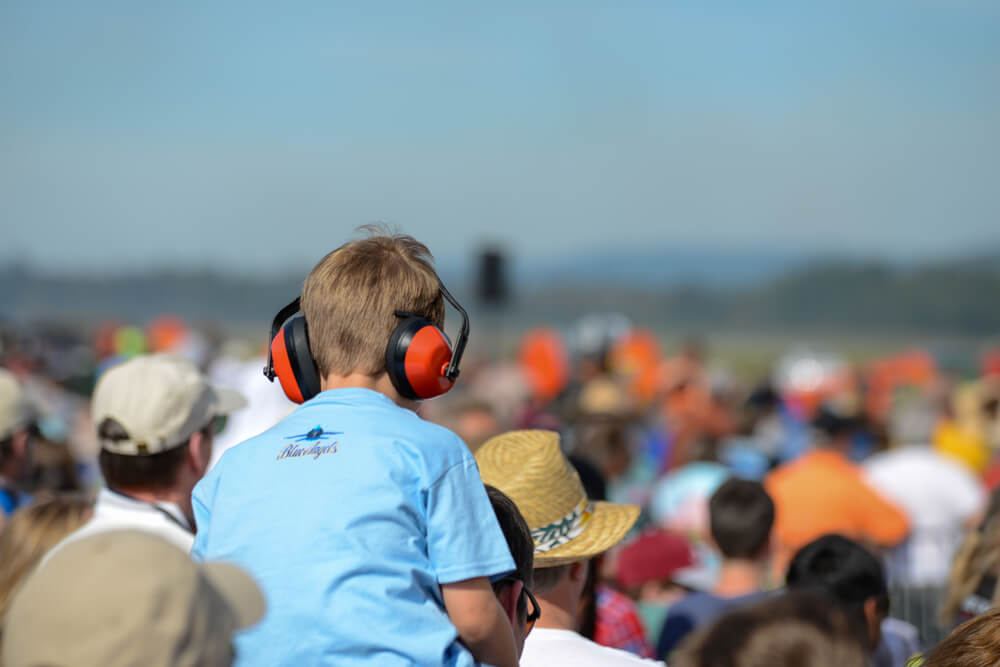
The Daytona 500 is incredibly loud, especially near the front stretch, so ear protection is a must for everyone, especially kids. Try keeping earplugs in most of the time and only removing them during caution laps if you need a break.
It’s also a huge crowd, so expect busy concourses and long lines. Stay hydrated, take breaks, and consider sitting higher in the stands for a slightly calmer view and less intense noise.
Once you adjust, the atmosphere is unbeatable: The sound and vibration are part of what makes it unforgettable.
Tips for First-Time Daytona 500 Fans
This NASCAR race survival guide is built for Daytona 500 first-timers and families, with real tips that make the day easier. Plan to arrive 2–3 hours early since traffic and security lines add up fast. Take photos of your parking spot and gate, and choose a simple meeting point inside in case phones lose service.
Bring snacks and drinks in a permitted cooler to avoid long concession lines and high prices, and stay on top of water and sunscreen all day. Download the NASCAR and Daytona International Speedway apps before you leave, and pack a power bank.
If you’re new to NASCAR, following one driver makes the race easier to understand—and if you’re driving in from another city, expect a slow, crowded trip home after the checkered flag.
Family and Accessibility Tips
The Daytona 500 is generally family-friendly. Many parents bring kids and teens, and the venue offers experiences designed for younger fans. That said, planning for noise, weather, and the length of the event makes everyone’s day better.
For Kids:
- Child-sized hearing protection is non-negotiable
- Small activities like coloring sheets or driver trading cards help pass time during stage breaks
- Choose seats with good sight lines so little ones can actually see the track
- The Junior Thunder Road area offers simulated driving experiences for children
For Accessibility Needs:
- ADA parking areas are available and should be reserved in advance
- Wheelchair-accessible seating and elevators exist in certain grandstands
- Contact the speedway ahead of time for specific accommodation requests
- Golf cart shuttles assist with mobility throughout the venue
Build in extra time for moving between parking, security, and seats if anyone in your group has mobility concerns. Event staff are generally helpful when asked.
With preparation, the Daytona 500 becomes a great multi-generational outing. Kids who attend their first race often become lifelong fans.
Why NASCAR Race Day Is About More Than Just the Race
For many fans, the Daytona 500 is more than a race: It’s an all-day festival. The Midway is packed with displays, games, giveaways, and driver appearances, while the parking lots turn into tailgate hangouts where fans grill, swap stories, and welcome newcomers.
If you have infield access, the energy is even bigger with RV setups and a party atmosphere. Even if you’re not a hardcore NASCAR follower, the traditions, pageantry, and community make Daytona an unforgettable experience.
Freeway Insurance and NASCAR: Supporting Fans All Season Long
Freeway Insurance is a Premier Partner of the NASCAR Cup Series and a sponsor of racer Daniel Suárez, who drives for Spire Motorsports in the #7 Chevrolet. We offer budget-friendly auto insurance, including options for drivers with less-than-perfect records, plus coverage like renters, homeowners, motorcycle, and small business insurance—online or in-store nationwide.
Freeway is also the sponsor for the NASCAR Choose Rule, so keep an eye out for who picks the preferred racing lane and who picks the non-preferred: It’s all about strategy!
Before you hit the road to Daytona, make sure your insurance is race-ready. Learn more about Freeway Insurance’s NASCAR partnership and get a fast, no-obligation quote online or by phone. With bilingual service in English and Spanish, local agents, and franchise locations across the country, Freeway Insurance is here to help fans and families get the coverage they need at prices they can afford.
Daytona 500 FAQs
These beginner-friendly answers address the most common questions from fans attending their first NASCAR race.
Is the Daytona 500 Family-Friendly?
Yes, it’s very popular with families. Parents regularly bring kids and teens to enjoy the spectacle. Plan for loud noise (hearing protection is essential for children), long days in the sun, and potential weather changes.
About 25% of recent attendees have been under 18, so you’ll be in good company. Take breaks in shaded areas when needed and bring activities to keep kids occupied during stage breaks.
How Early Should I Arrive at the Daytona 500?
Plan to arrive 3-4 hours before the scheduled green flag. This gives you time to navigate traffic approaching the speedway, find parking, clear security, and explore pre-race activities like the Midway and driver introductions. Parking lots typically open around 5-7 AM depending on the event.
How Long Does the Daytona 500 Last?
The race typically takes 3-4 hours to complete under normal conditions. However, with pre-race ceremonies, possible weather delays, and post-race traffic, you should plan on committing most of the day—often 6-10 hours from arrival to departure. The 2023 race experienced a 5-hour delay due to rain, so flexibility helps.
Is the Daytona 500 Loud?
Extremely loud. Engines can reach 120-140 decibels near the front stretch (comparable to a jet takeoff). Ear protection is strongly recommended for everyone and mandatory for children. Bring disposable ear plugs for adults and over-ear protection for kids. You can remove them during caution laps to experience the roar in controlled doses.
What If I’ve Never Watched a NASCAR Race Before?
You’re not alone: Most first-timers have an amazing time at the Daytona 500. Watch a few highlight clips beforehand, grab a program to learn the drivers, and consider renting a scanner for team radio. Mostly, just soak in the atmosphere and realize that being prepared is what turns race day from stressful to unforgettable.