
Smart Home Insurance: How Connected Devices Can Protect Your Home and Lower Your Costs
-


- 10+ Years of Marketing and Content Writing Experience
- Bachelor of Arts in Marketing
Ashley Walrath is a Content Writer at Confie, the parent company of Freeway Insurance, where she creates educational content that helps consumers better understand insurance and make informed coverage decisions. She develops consumer…
-
- 13 Years of Insurance Industry and Content Experience
- B.S. in Applied Technology and Performance Improvement, University of North Texas
Rose Carter is an insurance content strategist and marketing executive with 13 years of experience developing consumer-focused insurance education and digital…
-
- 8 Years of Insurance Experience
- Alabama Licensed Insurance Agent
Taylor is a licensed insurance professional with eight years of experience in the Alabama insurance market, specializing in personal lines …
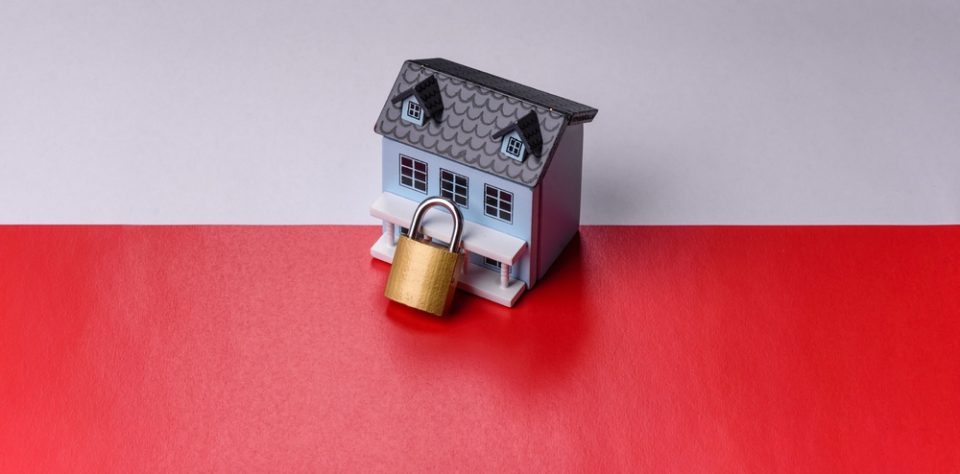
Your home is likely your most valuable asset, and protecting it goes well beyond locking the front door at night. Smart home technology is changing the way homeowners prevent losses, respond to emergencies, and interact with their insurance carriers. From security cameras watching the front yard to smart water leak detectors guarding the basement, connected devices now play a real role in home protection and insurance pricing.
This guide breaks down how smart home insurance works, which devices matter most, what discounts you might qualify for, and how to balance gadget costs against potential savings.
Key Takeaways
- Devices like Wi-Fi security cameras in the front yard, smart smoke detectors that send alerts to your phone, and automatic water shutoff valves can prevent or limit fire, theft, and water damage claims.
- A monitored security system has been linked to up to 29% lower total claim frequency in some studies.
- Water damage accounts for roughly 27.6% of all homeowner claims, with average payouts around $13,900—making smart leak detectors one of the highest-impact investments a homeowner can make.
- Freeway Insurance helps homeowners compare carriers across more than 200 options, see which smart devices qualify for savings, and balance gadget costs against potential home insurance cost reductions.
- Renters can use the same support to explore renters insurance quotes tailored to their living situation and budget.
- Whether you shop online, by phone, or at a local office, a Freeway agent can walk you through your options.
- Smart tech also changes how claims are handled. Time-stamped video, sensor logs, and device alerts create better documentation and faster response times.
- Homeowners should secure their networks with strong passwords and keep devices maintained to avoid cyber risks and failures when protection matters most.
What Is Smart Home Insurance?
Smart home insurance is regular homeowners coverage that recognizes and may reward the use of best smart home devices that reduce the risk of common losses. These include home security systems, leak detectors, smart smoke alarms, and other smart devices designed to detect problems early and prevent damage before it becomes catastrophic.
Policies still cover the same perils they always have, fire, theft, certain weather events, vandalism, and liability. What has changed is that underwriting and discount structures increasingly factor in connected devices installed in the home. As of 2026, many insurers actively ask about smart features during the quote or renewal process and may adjust pricing based on what protective technology you have in place.
Consider two homes in the same neighborhood. One has a professionally monitored smart security system with indoor and outdoor security cameras, a smart doorbell, and leak detectors near the water heater. The other has no alarm, no cameras, and no leak sensors. From an insurer’s perspective, the first home presents a meaningfully lower risk of large theft, fire, or water damage losses-and its premiums may reflect that.
Home insurance costs are calculated using a mix of factors: location, age and replacement value of the home, claims history, credit score (where permitted by law), and now, sometimes, smart home risk-mitigation tools. Here is what smart home insurance typically rewards:
- Burglary deterrence – monitored alarms, security cameras, smart locks
- Early fire detection – smart smoke detectors, heat sensors, monitored fire alarms
- Early water leak detection – smart water leak detectors, automatic shutoff valves
- Improved emergency response – remote alerts to your phone, central station monitoring, integration with emergency services
Freeway Insurance works with over 200 carriers, some of which explicitly consider smart home upgrades when building a quote. That means a Freeway agent can help you identify which devices translate to real savings with your specific carrier.
How Smart Home Devices Reduce Risk and Claims
Smart home devices do more than make life easier around the house. They generate real-time data that can prevent or limit costly losses before they become insurance claims. A leak caught in minutes costs hundreds to fix. A leak that runs overnight can cause extensive damage to ceilings, flooring, and walls-easily topping $10,000 or more.
Here are a few scenarios that show how connected devices change outcomes:
- A water leak at 2 a.m. A smart leak detector under a washing machine senses moisture and sends an alert to the homeowner’s phone. An automatic shutoff valve closes the main water line within seconds. Instead of waking up to a flooded laundry room and ruined flooring, the homeowner mops up a small puddle. While standard homeowners insurance may cover many sudden plumbing leaks, it typically doesn’t cover damage caused by external flooding, making flood insurance an important consideration for homeowners in flood-prone areas.
- Kitchen fire while away. Smart smoke detectors sense smoke in the kitchen and immediately push an alert to the homeowner’s phone while also notifying the monitoring center. The fire department is dispatched before the fire spreads beyond the stovetop. The claim stays in the low thousands instead of six figures.
- Porch pirate deterred. A video doorbell detects motion and triggers two-way audio. The homeowner, watching from work, tells the would-be thief they are being recorded. The person leaves. No claim is filed at all.
Automated alerts to phones or monitoring centers shorten response times for police, the fire department, or the homeowner themselves-reducing damage severity and claim size. Smart thermostats and freeze sensors reduce secondary risks like burst pipes in January for cold snaps by maintaining consistent temperature minimums even when the house is empty. Some homeowners forget to leave heat running when they travel in winter; a smart thermostat can automatically turn the heat back on if indoor temperatures drop dangerously low, preventing frozen pipes.
Recorded data and video from security cameras or sensors also help document exactly what happened during a loss, which can speed up claim decisions and reduce disputes.
From an insurer’s perspective, fewer and smaller claims over time justify offering discounts or better terms to smart-equipped homes. It is a straightforward risk calculation.
Key Smart Home Devices That Can Influence Home Insurance
You do not need to upgrade everything at once. Starting with a few targeted smart products can impact home insurance costs and overall home safety. Below, each device category is organized by type-security, fire, water, environment, and access-with notes on risk reduction and possible insurance benefits.
Smart Security Systems and Security Cameras
Modern home security systems often combine door and window sensors, motion detectors, sirens, and indoor and outdoor security cameras-all tied to an app or a professional monitoring service. A full smart security system can be armed and disarmed remotely via app control on your phone, and some integrate with a voice assistant like Google Assistant or Amazon Alexa for hands-free voice commands.
Visible security cameras in the front yard, driveway, and entryways deter burglars and help protect deliveries and vehicles. Features like motion-activated recording, two-way audio for challenging suspicious visitors, and cloud video storage create evidence that can be shared in a burglary claim. Motion detection zones let you focus alerts on areas that matter-the driveway, side gate, or back door-without constant notifications from passing cars.
Many insurers offer discounts of 5–20% for centrally monitored security systems and sometimes smaller credits (2–5%) for self-monitored or DIY camera setups. Integration with smart speakers or a Google Home hub may make everyday use more convenient, but it does not necessarily affect premiums.
If you have a monitored system, save invoices and monitoring contracts so your insurance agent can apply for any eligible enhanced security discount.
Video Doorbells and Front Yard Protection
A smart doorbell combines a door chime, camera, microphone, and motion sensor to monitor your front door and front yard around the clock. Night vision, motion detection alerts, and cloud recording mean you have a continuous visual log of who approaches your home.
Video doorbells help combat package theft, document suspicious activity, and provide evidence if a theft or vandalism claim is filed. Motion alerts at 2 a.m. when a stranger approaches the porch, or two-way talk that makes it seem like someone is home even when you are away, are practical security features that reduce risk.
While some insurers may not list video doorbells by name, they often count as part of a broader smart security system for discount purposes. Since around 2020, video doorbells have become mainstream and may be considered a standard security measure in newer underwriting models.
Smart Locks and Access Controls
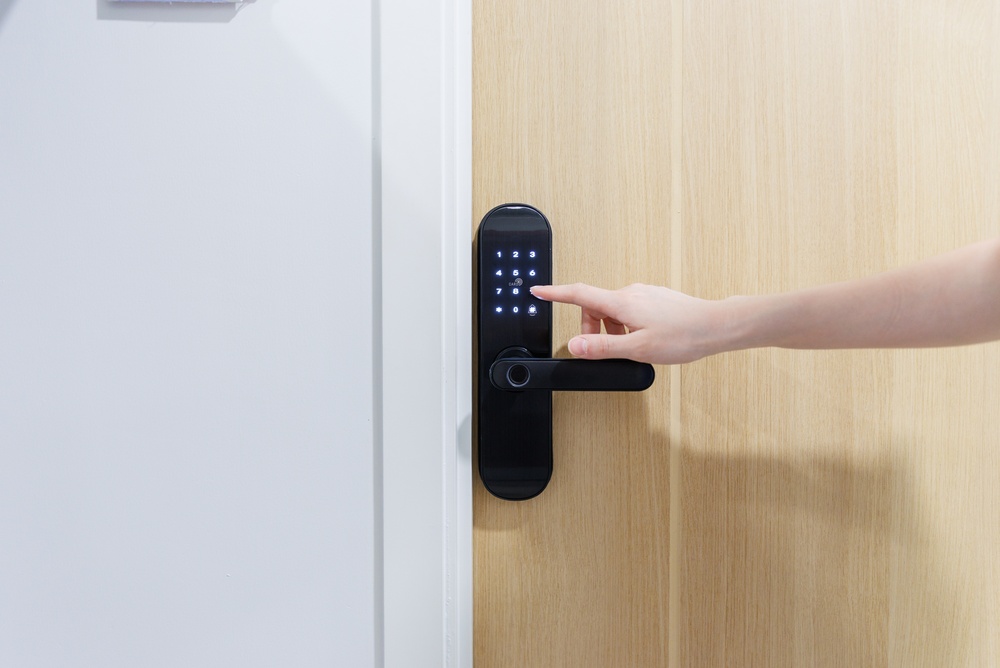
Smart locks are keyless entry devices controlled by code, smartphone, fingerprint, or voice control through platforms like Google Assistant or Amazon Alexa. Being able to lock or unlock doors remotely reduces the chance of leaving a door unsecured-a direct factor in burglary risk.
Useful features include:
- Access logs that show exactly when someone entered using a known code versus a break-in
- Guest codes for dog walkers, contractors, or family members
- Automatic locking at set times (e.g., 10 p.m. every night)
Some carriers view high-quality smart locks as a positive security upgrade, especially when combined with a full alarm system, even if they do not generate a stand-alone discount. Proper installation on solid doors and frames still matters-physical strength is just as important as smart features when preventing someone from trying to gain access by force.
Smart Smoke Detectors and Fire Safety
Fires remain one of the costliest home insurance claims in the U.S., often causing six-figure losses. NFPA data show that homes with non-operational smoke alarms account for roughly 17% of civilian fire deaths, highlighting how critical early detection is.
Smart smoke detectors send alerts to smartphones when smoke or high heat is detected, even if you are away. Additional features include:
- Low-battery warnings pushed to your phone
- Alerts specifying which room is affected
- Integration with monitored security systems that automatically contact the fire department
A typical smart smoke detector costs around $50–$200 per device in 2025–2026. Retrofitting a three-bedroom home may cost a few hundred dollars in total. Many insurers already offer discounts for standard smoke alarms, and smart versions strengthen your evidence of robust fire protection.
Freeway Insurance agents can help you verify which fire safety upgrades matter most to specific devices and carriers.
Smart Water Leak Detectors and Automatic Shutoff Valves
Water damage and freezing events-burst pipes, leaking water heaters, dishwasher failures-are among the most common homeowners claims. They occur in roughly 1 out of 60 insured homes per year, with average payouts of around $13,900.
Small wi-fi leak detectors placed near water heaters, dishwashers, and under sinks send alerts when they sense moisture, helping you catch problems before they cause extensive damage. Systems that pair leak detectors with automatic water shutoff valves can close the main water line within seconds of detecting a leak.
Imagine a 2 a.m. pipe burst in a second-floor bathroom. Without a shutoff valve, water pours through the ceiling for hours. With one, the valve closes automatically, and damage stays limited to a small area-potentially saving thousands of dollars.
Some insurers in 2026 explicitly offer discounts or credits for professionally installed whole-home leak detection and shutoff systems. USAA’s connected home program, for example, offers up to 8% off for policyholders who install at least two eligible water leak detectors. Ask your Freeway Insurance agent whether your carrier recognizes specific brands or requires proof of professional installation.
Smart Thermostats, Freeze Sensors, and Environmental Monitors
Smart thermostats learn your schedule, allow remote temperature settings via phone, and maintain minimum heat in winter to reduce frozen pipe risk. A space heater left running in a poorly insulated garage is a fire hazard, but a smart thermostat maintaining consistent temperature throughout the house is a safer alternative that also delivers energy savings and lower energy bills.
Combined with temperature or freeze sensors in attics or basements, these systems warn homeowners before pipes burst during extreme cold. Some carriers offer small incentives for smart thermostats as part of green or risk-management programs, especially in freeze-prone regions.
Other environmental sensors-humidity monitors, carbon monoxide detectors, and indoor air quality sensors-mainly protect health but also help prevent mold and secondary damage after small water leaks. Smart lighting and smart bulbs can also simulate occupancy when you are away, adding another layer of deterrence. You can even pair a smart plug with lamps to automatically turn them on and off on a schedule. While a smart display in the kitchen can help you manage a grocery list or make video calls, its insurance impact is minimal-but it ties the ecosystem together and may prompt you to check alerts from other devices more often.
Energy costs often drop when smart thermostats optimize heating and cooling schedules, which is a practical benefit beyond insurance.
How Smart Tech Changes Claims, Documentation, and Risk Management
Beyond discounts, smart home technology affects how incidents are recorded, reported, and resolved with insurers.
Time-stamped security camera footage, device logs, and sensor alerts can corroborate a homeowner’s account during a theft, fire, or water damage claim. If a leak detector logged “moisture detected at 2:17 a.m.” and a shutoff valve closed at 2:18 a.m., the insurer has a clear timeline that supports your version of events.
In some cases, this evidence speeds up claims handling because adjusters can see exactly when and how an event unfolded. Remote assessments are becoming more common-adjusters may review cloud-stored videos or photos, or guide homeowners via smartphone to show damage in real time before scheduling an in-person visit.
Carriers may also use anonymized data trends from smart devices to better understand risk. For example, aggregated data on how often small leaks occur, and typical response times can influence future pricing models for all policyholders.
One caution: smart device data can cut in both ways. If a camera shows a gate left open or an alarm turned off at the time of a loss, it might raise questions during a dispute. Homeowners should use devices consistently and responsibly-keep alarms armed, cameras recording, and sensors active.
Smart Home Devices, Discounts, and What Homeowners Can Expect
Smart home discounts are not guaranteed and vary widely by company, state, and device type as of 2026. Here are typical ranges:
| Device Type | Typical Discount Range | Notes |
| Professionally monitored security system | 5–20% | Highest discounts; UL-certified monitoring preferred |
| Self-monitored cameras / DIY system | 2–5% | Varies widely by carrier |
| Smart smoke detectors (monitored) | 2–5% | Often stacks with security discount |
| Whole-home leak detection + shutoff valve | 3–8% | Growing number of carriers offer this |
| Smart locks, video doorbells (stand-alone) | 0–3% | Usually grouped under “protective devices” |
Some carriers only offer discounts if devices are professionally installed and monitored. Others accept DIY systems with documented features. Before investing heavily in smart technology with the primary goal of cutting insurance costs, contact your insurer or a Freeway Insurance agent to confirm what qualifies.
Here is a simple process to follow:
- Inventory your current devices (brand, model, monitoring status)
- Ask your carrier or agent about eligible discounts for specific devices
- Document installations with receipts, certificates, and monitoring contracts
- Update your insurer each time you add major new protection
- Review at renewal to ensure all credits are applied
Even when discounts are modest, preventing one large claim can save far more than the premium savings alone. The same mindset applies to small business insurance protection, where one lawsuit or property loss can outweigh years of premiums.
Cost vs. Benefit: Are Smart Home Devices Worth It for Insurance Savings?
Smart devices should be evaluated both as safety tools and as financial investments. Consider device price, subscription fees, and potential home insurance premiums reductions together.
Walk through a simple example: a $300 smart leak detection system with a $5/month cloud subscription generates a $40 annual home insurance discount. Over five years, the system costs roughly $600 total and saves $200 in premiums-a net cost of $400. But if it prevents even one $10,000 water damage claim during that period, the return is enormous.
Total cost of ownership over three to five years includes batteries, cloud storage fees, possible hub upgrades, and the time you spend maintaining devices. Homeowners often see better returns by prioritizing a few high-impact devices — smart smoke detectors and leak detectors — rather than outfitting the entire home at once. A major renovation is a natural time to add these systems.
Balance tech purchases with other risk-reduction measures like roof maintenance, updated wiring, and trimming trees near the home. If you also own rental property, landlord insurance coverage can complement smart devices to protect those investments as well. Freeway Insurance can help run side-by-side quotes to show how different safety features-including smart devices-may influence cost savings with different carriers.
Security, Privacy, and Reliability Risks of Smart Home Technology
Smart tech introduces new cyber and privacy risks that homeowners should manage proactively. The same connectivity that makes devices useful also creates potential vulnerabilities.
Poorly secured security cameras or smart locks can be vulnerable to hacking, potentially exposing live video streams or allowing unauthorized access if passwords are weak. Technical failures-wi fi outages, dead batteries, software bugs-can cause security systems, leak detectors, or alarms to stop working exactly when you need them.
High-level best practices to protect your connected home:
- Use strong passwords and unique credentials for each device
- Enable multi-factor authentication where available
- Keep firmware updated on all devices
- Choose reputable brands with clear privacy policies
- Consider a separate wi fi network for smart home devices
Some insurers offer optional cyber coverage or identity theft protection, which may appeal to homeowners running many connected devices. But smart devices should complement-not replace basic safety habits like locking doors, maintaining smoke alarms, and checking aging plumbing and roofs.
The Future of Homeownership, Smart Tech, and Insurance
By the late 2020s, many homes are expected to have baseline smart features like video doorbells, smart thermostats, and at least one security camera. Underwriting models may adjust base premiums based on the presence or absence of these now-standard protections.
Emerging trends include full-home sensor networks, AI-driven risk scoring that uses episodic device data rather than static questionnaires, and insurer partnerships where specific devices are offered at a discount in exchange for enrollment in monitoring programs. Future home insurance may evolve toward more personalized pricing based on real-time risk signals from leak detectors, security systems, and fire sensors.
The possibility of automatic claim triggers is also on the horizon-imagine a burst pipe detected, photos uploaded, and a claim initiated automatically within minutes. Homeowners who adopt smart devices thoughtfully and understand how insurers view them will be better positioned to protect their valuable assets and optimize insurance costs.
Freeway Insurance will continue tracking these changes so customers can adapt their coverage and technology choices over time. Business owners can also benefit from understanding when to buy business insurance as they add employees, ensuring their company grows with the right protections in place. The potential benefits of staying informed now will only grow as the insurance industry catches up to the smart home revolution.
How Freeway Insurance Helps You Make the Most of Smart Home Technology
Freeway Insurance is a national, multi-carrier insurance broker that helps homeowners compare home insurance options based on their budget and smart home technology. It also guides high-risk drivers through affordable SR-22 insurance options when they need to meet state filing requirements after serious driving violations. With access to more than 200 insurance carriers, Freeway agents can review devices like security cameras, smart thermostats, leak detectors, smart locks, and Google Home-enabled systems to identify potential discounts and coverage options.
Freeway’s “shop, compare, save” approach lets you see how insurers value smart home technology. While one carrier may offer greater savings for monitored security systems, another may provide discounts for water leak detection devices or other loss-prevention features. If you also drive, adding roadside assistance plan information to your auto coverage can extend that peace of mind beyond the home. Comparing multiple companies helps you find coverage that fits both your home and your budget.
Whether you’re installing your first smart device or expanding your connected home, Freeway agents can review your policy to make sure you’re receiving every available discount. Bringing a list of your devices—including the brand, model, installation date, and whether they’re professionally monitored—can help streamline the quoting process.
Ready to strengthen your coverage?
Visit Freeway Insurance online, call 800‑777‑5620, or stop by a local office to speak with a licensed agent today.
FAQ: Smart Home Insurance and Connected Devices
Do I have to buy a full security system to qualify for smart home insurance discounts?
Not always. Some carriers accept stand-alone devices like smart smoke detectors or leak detectors for smaller discounts, while others require a professionally monitored full security system for larger credits. A Freeway Insurance agent can confirm whether your current mix of devices-say, one security camera and a video doorbell-qualifies, or whether a more complete system is needed. Start with the easiest, highest-impact devices and reassess discounts as your system grows.
Will my insurer monitor my smart home data in real time?
As of 2026, most traditional homeowners insurers do not actively monitor live camera feeds or sensor data. They mainly verify that devices exist and may review data if you choose to share it during a claim. Some niche programs or partnerships offer optional data sharing in exchange for specific benefits, but participation is usually voluntary and disclosed up front. Read privacy policies for both your devices and your insurance policy, so you understand how information might be used.
Can smart home devices replace the need for home insurance?
No. Smart home devices reduce risk but do not eliminate them. Fire, storms, and accidents can still cause major losses even in well-equipped homes. Insurance exists to cover financial losses after an event, while smart devices are designed to prevent or reduce those events and assist with quick response. Think of smart tech as a complement to not a substitute for solid homeowners coverage.
What happens if my smart device fails during a loss event?
Device failure-for example, a leak detector being offline during a pipe burst-does not automatically void your home insurance coverage, if there was no fraud or intentional damage. Claim outcomes are typically based on your policy language and the facts of the loss, not whether a particular gadget worked correctly at that moment. That said, regular testing and maintenance of devices ensures you can rely on their protection when it matters most.
How do I tell Freeway Insurance or my carrier about the new smart devices I installed?
Keep a simple record of each new device-type, brand, location, install date, and whether it is monitored-and share it with your Freeway Insurance agent at renewal or after major upgrades. Freeway customers can update information by phone, online, or in person at a local office, depending on their preferred channel. Updating promptly ensures eligible discounts get applied as soon as possible rather than waiting for the next renewal cycle.
For more FAQs about homeowners insurance see: Homeowners Insurance FAQ | Freeway Insurance