
Symptoms of Bad Spark Plugs
-


- 10+ Years of Marketing and Content Writing Experience
- Bachelor of Arts in Marketing
Ashley Walrath is a Content Writer at Confie, the parent company of Freeway Insurance, where she creates educational content that helps consumers better understand insurance and make informed coverage decisions. She develops consumer…
-
- 13 Years of Insurance Industry and Content Experience
- B.S. in Applied Technology and Performance Improvement, University of North Texas
Rose Carter is an insurance content strategist and marketing executive with 13 years of experience developing consumer-focused insurance education and digital…
-
- 8 Years of Insurance Experience
- Alabama Licensed Insurance Agent
Taylor is a licensed insurance professional with eight years of experience in the Alabama insurance market, specializing in personal lines …
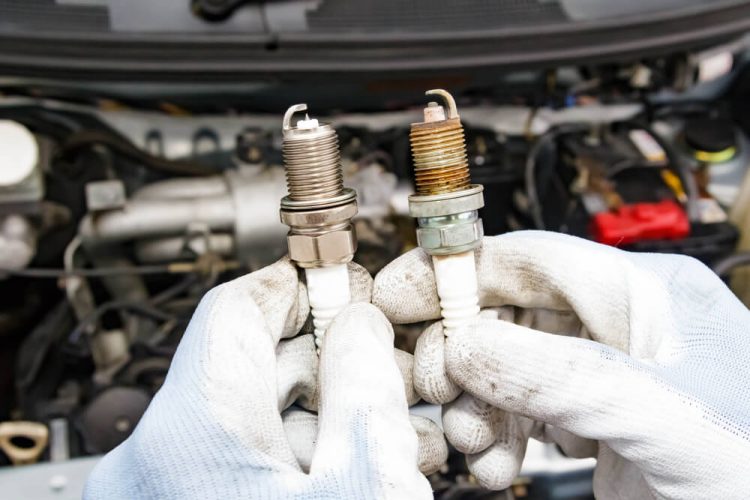
Spark plugs may be small, but they play an important role in how your engine starts and runs. When they become worn, dirty, or damaged, you may notice problems such as rough idling, slow acceleration, trouble starting your car, or reduced fuel efficiency.
Knowing the symptoms of bad spark plugs can help you recognize a problem early and determine when your vehicle may need attention. Follow the replacement schedule in your owner’s manual, and if your vehicle is new to you, consider checking its maintenance history. While keeping your car running properly matters, so does having the right auto coverage before you hit the road.
What Do Spark Plugs Do?
In a gasoline engine, spark plugs create the electrical spark that ignites the air and fuel mixture inside the engine’s cylinders. This combustion produces the power needed to keep the engine running.
Spark plugs fire repeatedly while the engine is operating. Over time, their electrodes can wear down, or deposits can build up, making it harder to produce a consistent spark. When that happens, engine performance can suffer.
Common Symptoms of Bad Spark Plugs
A worn spark plug does not always cause an immediate breakdown. Problems often develop gradually, which makes recognizing the warning signs important.
| Symptom | What you may notice | Possible connection to spark plugs |
| Engine misfires | Jerking, sputtering, or unusual engine sounds | A plug may not be igniting the air and fuel mixture properly |
| Poor acceleration | Hesitation or sluggish response | Worn plugs can interfere with efficient combustion |
| Rough idle | Shaking, vibration, or uneven engine operation | One or more cylinders may not be firing consistently |
| Trouble starting | Engine cranks longer than normal | Weak or inconsistent sparks can make ignition more difficult |
| Lower fuel efficiency | More frequent trips to the gas station | Incomplete combustion can reduce engine efficiency |
| Check engine light | Warning light appears on the dashboard | Misfires caused by ignition problems may trigger the light |
These symptoms can have several causes, so a bad spark plug should not automatically be assumed to be the problem. A mechanic can diagnose the issue if you are unsure.
Engine Misfires and Unusual Noises
An engine misfire happens when combustion does not occur properly in one or more cylinders. You may feel the car jerk or hesitate or notice the engine running unevenly.
Worn or damaged spark plugs are one possible cause. If your engine starts making unfamiliar sounds, do not ignore them. Any unusual type of engine noise is a reason to take a closer look.
Poor Acceleration and Power Loss
If your car hesitates or feels sluggish when you press the accelerator, the engine may not be burning fuel efficiently.
Bad spark plugs are one possible cause of poor acceleration, but fuel delivery problems, dirty filters, faulty sensors, and other engine issues can produce similar symptoms. If the problem continues, have the vehicle inspected.
Rough Idling
A healthy engine should generally maintain a steady idle. If your vehicle shakes, vibrates, sputters, or sounds uneven while stopped, one or more cylinders may not be firing properly.
Spark plugs are part of the ignition system, so worn or fouled plugs can contribute to a rough idle.
Trouble Starting Your Car
Spark plugs help ignite the fuel and air mixture needed to start a gasoline engine. When they become worn or damaged, starting may take longer than usual.
However, trouble starting can also point to a weak battery, starter problem, fuel system issue, or another ignition system problem. If your car repeatedly struggles to start, it is worth having the entire system checked rather than replacing parts based on symptoms alone.
Reduced Fuel Efficiency
If you suddenly find yourself filling the tank more often without changing your driving habits, your engine may not be operating as efficiently as it should.
Worn spark plugs can contribute to incomplete or inefficient combustion, which may affect fuel economy. Because many other issues can also reduce gas mileage, look for additional symptoms before assuming the plugs are responsible.
Check Engine Light
A check engine light can appear for many reasons, including an engine misfire. If a worn or faulty spark plug causes repeated misfires, your vehicle’s computer may detect the problem and turn on the warning light.
Knowing what your dashboard lights mean can help you determine when your vehicle needs attention.
A flashing check engine light can indicate a more serious problem that requires prompt attention. If the light is flashing or the vehicle is running poorly, avoid continuing to drive unnecessarily and have the car inspected.
What Causes Spark Plugs to Go Bad?
Spark plugs naturally wear out, but certain engine problems can cause them to fail sooner. Understanding what damaged the plugs can be important because simply replacing them may not fix an underlying problem.
Normal Wear
Every time a spark plug fires, its electrodes experience wear. Eventually, the gap between the electrodes can change enough to make producing a strong, consistent spark more difficult.
How long spark plugs last varies considerably by vehicle and plug type. Instead of relying on a universal mileage estimate, follow the maintenance schedule in your owner’s manual.
Carbon and Other Deposits
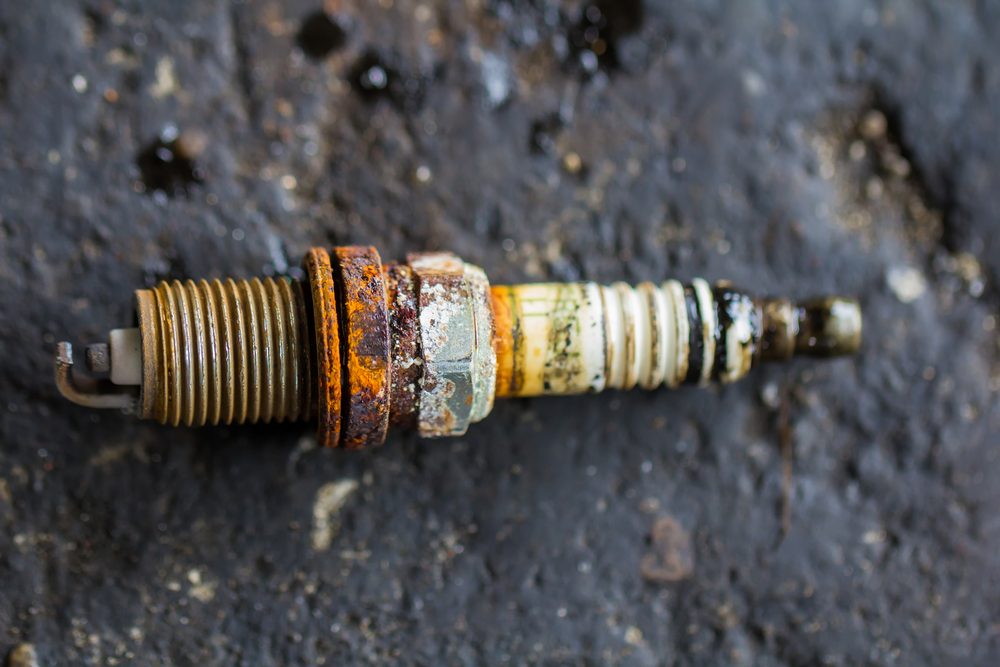
Deposits can collect on the firing end of a spark plug and interfere with its ability to produce a reliable spark. This is commonly called fouling.
The appearance of a fouled plug may also provide clues about other engine problems. Oil or fuel deposits, for example, may indicate an issue that goes beyond the spark plug itself.
Overheating
Excessive heat can damage a spark plug and cause its electrodes to wear more quickly. An incorrect spark plug type or other engine problems can contribute to overheating.
If a plug shows signs of heat damage, replacing it without determining the cause could result in the new plug developing the same problem.
Oil or Fuel Fouling
A spark plug coated with oil or excess fuel may have difficulty producing a consistent spark. Fouling can result from several mechanical or fuel system issues.
If a newly replaced spark plug quickly becomes fouled again, have the vehicle inspected for an underlying problem.
How Can You Tell If a Spark Plug Is Bad?
Symptoms provide clues, but they do not always identify the exact cause of an engine problem. A mechanic may use diagnostic trouble codes, inspect the ignition system, and examine the spark plugs to determine what is happening.
If you are comfortable performing basic vehicle maintenance, you may also be able to visually inspect the plugs. Always allow the engine to cool and follow the procedures specified for your vehicle.
What to Look for During a Visual Inspection
A spark plug may need attention if you notice:
- Worn or damaged electrodes
- Cracks in the ceramic insulator
- Heavy carbon deposits
- Oil or fuel fouling
- Signs of excessive heat
- Physical damage
Cleaning a plug is not always the appropriate solution. A cracked insulator, damaged electrode, or severely worn plug should be replaced.
If you are not comfortable working on your engine, take the vehicle to a qualified mechanic. A professional engine tune-up for peak performance can help identify ignition and other maintenance issues.
Can You Drive with Bad Spark Plugs?
Your car may continue running with a worn or faulty spark plug, but that does not mean you should ignore the problem.
A misfiring engine may run poorly, use more fuel, or become harder to start. Continued misfires can also place additional stress on other components, including the catalytic converter.
If the vehicle is shaking severely, losing significant power, or displaying a flashing check engine light, have it inspected promptly.
How Often Should You Replace Spark Plugs?
There is no single replacement interval that applies to every vehicle.
Spark plug life depends on the type of plug, engine design, driving conditions, and vehicle manufacturer’s recommendations. Some types are designed to last considerably longer than others.
Check your owner’s manual or manufacturer’s maintenance schedule for the correct interval. Spark plug inspection or replacement can also be included as part of your regular car maintenance.
How Much Does Spark Plug Replacement Cost?
The cost of replacing spark plugs varies by vehicle.
The plugs themselves may be relatively inexpensive, but labor costs can vary depending on the engine design and how difficult the plugs are to reach. Some engines provide easy access, while others require additional components to be removed.
Instead of relying on a broad national estimate, ask a trusted repair shop for a quote based on your specific year, make, model, and engine.
How to Help Your Spark Plugs Last
You cannot prevent normal spark plug wear, but proper vehicle maintenance can help your engine and ignition system operate as intended.
Follow Your Vehicle’s Maintenance Schedule
Use the spark plug type and replacement interval recommended by your vehicle manufacturer. Installing the wrong plugs can affect performance and potentially cause engine problems.
Use the Recommended Fuel and Oil
Follow the manufacturer’s recommendations for fuel grade and motor oil. Using the correct products helps the engine operate as designed and may reduce conditions that contribute to deposits or fouling.
Pay Attention to Engine Problems
Do not wait for a small performance issue to become a larger one. Rough idling, misfires, warning lights, and unusual noises are signs that your vehicle may need attention.
Addressing the underlying cause can help prevent a new set of spark plugs from developing the same problem.
Keep Your Car Running and Protected
Recognizing the symptoms of bad spark plugs can help you know when it is time for an inspection. If your car is misfiring, struggling to start, idling roughly, or losing fuel efficiency, have the problem diagnosed before it gets worse.
Regular maintenance helps keep your vehicle running properly, while car insurance can help protect you financially from covered losses, subject to your policy’s terms, limits, and exclusions.
Freeway Insurance can help you compare auto insurance options that fit your needs and budget. Call (800) 777-5620, visit one of our convenient locations, or go online to get a car insurance quote.
FAQs About Bad Spark Plugs
What are the most common symptoms of bad spark plugs?
Common symptoms include engine misfires, rough idling, trouble starting, sluggish acceleration, reduced fuel efficiency, and a check engine light. These problems can also have other causes, so proper diagnosis is important.
Can bad spark plugs cause a check engine light?
Yes. A faulty spark plug can cause an engine misfire, which may trigger the check engine light. Because the light can indicate many different problems, checking diagnostic trouble codes can help identify the cause.
Can bad spark plugs cause a car to shake?
Yes. If one or more spark plugs are not firing correctly, the engine may run unevenly and cause shaking or vibration, particularly while idling or accelerating.
Can bad spark plugs affect gas mileage?
They can. Worn or fouled plugs may interfere with efficient combustion, which can reduce fuel efficiency. A sudden change in gas mileage can also be caused by other mechanical or driving factors.
Will a car start with bad spark plugs?
It may. One worn plug might cause rough running or longer starting times, while a more serious ignition problem could prevent the engine from starting. Difficulty starting can also be caused by the battery, starter, fuel system, or other compone