
Why Night Racing at Bristol Is Unlike Anything Else in NASCAR
-


- 10+ Years of Marketing and Content Writing Experience
- Bachelor of Arts in Marketing
Ashley Walrath is a Content Writer at Confie, the parent company of Freeway Insurance, where she creates educational content that helps consumers better understand insurance and make informed coverage decisions. She develops consumer…
-
- 13 Years of Insurance Industry and Content Experience
- B.S. in Applied Technology and Performance Improvement, University of North Texas
Rose Carter is an insurance content strategist and marketing executive with 13 years of experience developing consumer-focused insurance education and digital…
-
- 8 Years of Insurance Experience
- Alabama Licensed Insurance Agent
Taylor is a licensed insurance professional with eight years of experience in the Alabama insurance market, specializing in personal lines …
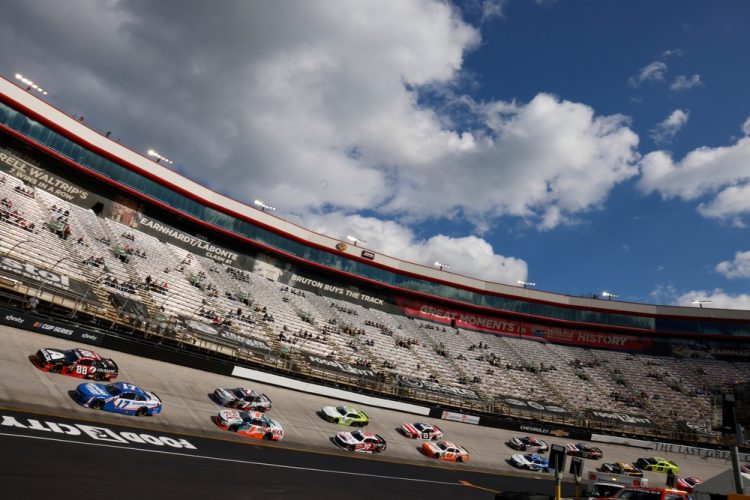
The Bass Pro Shops Night Race at Bristol Motor Speedway is the most intense short-track spectacle in motorsports. Contested over 500 laps on a 0.533-mile concrete oval, the race combines door-to-door competition, playoff elimination stakes, and grandstands that surround the track like a Roman amphitheater. Known as “The Last Great Colosseum,” the Bristol Night Race consistently delivers the kind of gladiatorial driving, legendary rivalries, and dramatic finishes that define what NASCAR racing is at its absolute best.
Why the Bristol Night Race Is NASCAR’s Most Exciting Event
Bristol Motor Speedway is a 0.533-mile concrete oval: a “bullring” where tight turns, steep banking, and short straightaways compress 40 NASCAR Cup Series cars into a space that leaves little margin for error. Its compact layout produces relentless close-quarters racing, with drivers encountering traffic every few seconds. A single miscalculation sends sheet metal into the wall. A moment of hesitation costs three positions.
The geometry of Bristol forces contact. Side-by-side racing is inevitable. Blocking, bumping, and rubbing are built into the fabric of competition. Drivers describe the experience as physically exhausting and mentally relentless, with the race consisting of 500 laps that push drivers to their limits. There’s no coasting at Bristol. Every lap requires complete focus, and every turn demands a balance of precision and aggression.
Then there’s the atmosphere. With a stadium that can seat as many as 160,000, Bristol’s grandstands enclose the track on all sides, amplifying every engine note, every crash, and every roar from the crowd. The race is known as one of the loudest events in NASCAR, with sound waves bouncing off every surface to create a visceral wall of noise. For drivers and fans alike, there’s no short track experience in America that matches Bristol’s combination of intensity, proximity, and raw competitive energy.
How Racing Under the Lights Transforms the Bristol Experience
Bristol began hosting NASCAR Cup Series races in 1961, but the event now known for its Saturday-night atmosphere didn’t adopt that format until 1978. Racing under the lights fundamentally alters the competitive landscape and the sensory experience for everyone on the track.
During daylight hours, Bristol’s concrete surface absorbs and retains substantial heat. Track temperatures climb, tire grip diminishes, and the racing surface becomes slippery and unforgiving. Under the lights, ambient and surface temperatures drop significantly as night settles in, transforming the way cars handle and the strategies teams employ.
The visual spectacle changes too. Sparks flash brilliantly against darkness, brake dust becomes visible under stadium lighting, and the cars seem to move faster when framed by the night sky.
Track Temperature and Racing Dynamics
Track conditions at Bristol can change significantly as temperatures drop from day to night. Concrete holds heat longer than asphalt, so warmer afternoon conditions can increase tire wear and reduce grip. As the track cools after sunset, drivers may find more traction.
Cooler conditions can allow drivers to carry more speed through the turns and explore different racing lines. As rubber builds on the surface, high, middle, and low lines may become available.
These changing conditions require teams to adjust throughout the race. Drivers and crew chiefs must pay attention to how the car responds and make changes as the track evolves.
Strategic Elements Under the Lights
The 500-lap race is divided into three stages, with 125 laps in Stage 1, 125 in Stage 2, and 250 in the final stage. That structure gives teams several opportunities to adjust their strategy as the race develops.
Tire strategy is one consideration. Cooler nighttime conditions may reduce tire wear, giving teams more flexibility in deciding when to pit. Some may stay out longer to maintain track position, while others may pit for fresh tires ahead of a restart.
Fuel and pit timing also matter. Teams have to account for caution laps, green-flag runs, and changes in the pace of the race when planning their stops. A late caution can quickly change those plans and force teams to choose between staying on track or heading to pit road.
Success at Bristol often comes down to making those decisions at the right time.
Bristol’s Famous High Banks and Concrete Surface
Bristol’s steeply banked turns and concrete surface are two of the track’s defining features. The banking allows drivers to carry significant speed through the corners despite the track’s short half-mile layout.
Bristol has used a concrete racing surface since 1992, when it replaced the original asphalt. Combined with the steep banking, the surface allows drivers to compete on different lines through the turns and creates opportunities for close racing.
Those characteristics have also helped make aggressive moves such as the bump-and-run part of Bristol’s reputation. With little room between cars and traffic developing quickly, drivers often have to balance patience with knowing when to make a move.
The Electric Atmosphere and Fan Experience at Bristol
Bristol Motor Speedway’s enclosed grandstands create a stadium-like atmosphere that puts fans close to the racing. The compact layout and views of the track help make the Bristol Night Race one of NASCAR’s most distinctive in-person experiences.
The atmosphere builds well before the green flag, with pre-race entertainment, driver introductions, and activities around the speedway. Fans can also explore the Fan Zone, shop for merchandise, and follow the race on the center-hung “Colossus TV” video screen.
Camping and tailgating add to the race-weekend experience for fans who spend more time at the speedway. Together, the setting and traditions surrounding the event have helped make the Bristol Night Race a popular destination for NASCAR fans.
Historic Moments and Legendary Bristol Rivalries
Bristol’s night race has produced some of the most memorable moments in NASCAR history, often because close racing and contact can change the outcome in the final laps.
In 1995, Terry Labonte held off Dale Earnhardt in a physical finish that left Labonte’s car battered as he crossed the line. Four years later, Earnhardt used contact on the final lap to move Labonte out of the lead, creating another defining moment in their Bristol rivalry.
Jeff Gordon added another famous finish in 2002 when he used the bump-and-run to pass Rusty Wallace late in the race. Moments like these helped build Bristol’s reputation as a place where rivalries can intensify quickly.
Championship Battles and Playoff Implications
The Bristol Night Race is a cut-off race in the NASCAR Cup Series Playoffs, so every position can affect who advances. Understanding how the NASCAR season is structured helps explain why the race carries so much weight.
Drivers near the playoff cut line have to balance points with the need to race aggressively. At Bristol, that can mean taking chances on restarts, fighting for track position, and deciding how much risk is worth taking.
For playoff drivers, a strong result at Bristol can keep a championship run alive, while a poor finish can end it.
September 19, 2026: Bass Pro Shops Night Race Details
The 2026 Bass Pro Shops Night Race is scheduled for Saturday, September 19, at Bristol Motor Speedway. The NASCAR Cup Series Playoff race begins at 7:30 p.m. ET and will be broadcast on USA Network.
Drivers will compete for 500 laps around Bristol’s 0.533-mile oval, covering approximately 266 miles.
Race Weekend Schedule
The race weekend offers a complete schedule of on-track action and entertainment:
- Friday: Practice for the Bass Pro Shops Night Race is on Friday at 4:35 p.m. ET, giving teams critical time to dial in setups for the concrete surface and night conditions. Qualifying follows to set the field for Saturday’s main event.
- Pre-race: Concerts, Fan Zone activities, and the spectacular driver introductions create an electric atmosphere before a single lap is turned under the lights.
- Saturday: Support races from the Xfinity Series and Truck Series fill the daytime schedule, providing fans with a full day of racing before the main attraction. Driver introductions for the race are at 6:50 p.m., building to the green flag at 7:30 p.m. ET.
Experiencing the Bristol Night Race: Tickets and Travel Planning
If this will be your first NASCAR race in person, planning ahead can make race day easier. Tickets, parking, and accommodations can become limited as the event approaches, so consider making arrangements early.
The official Bass Pro Shops Night Race event page provides current information about tickets, parking, and race-weekend activities. On race day, arriving early can also give you more time to park, find your seats, and explore the speedway before the race begins.
How Freeway Insurance Celebrates NASCAR’s Signature Events
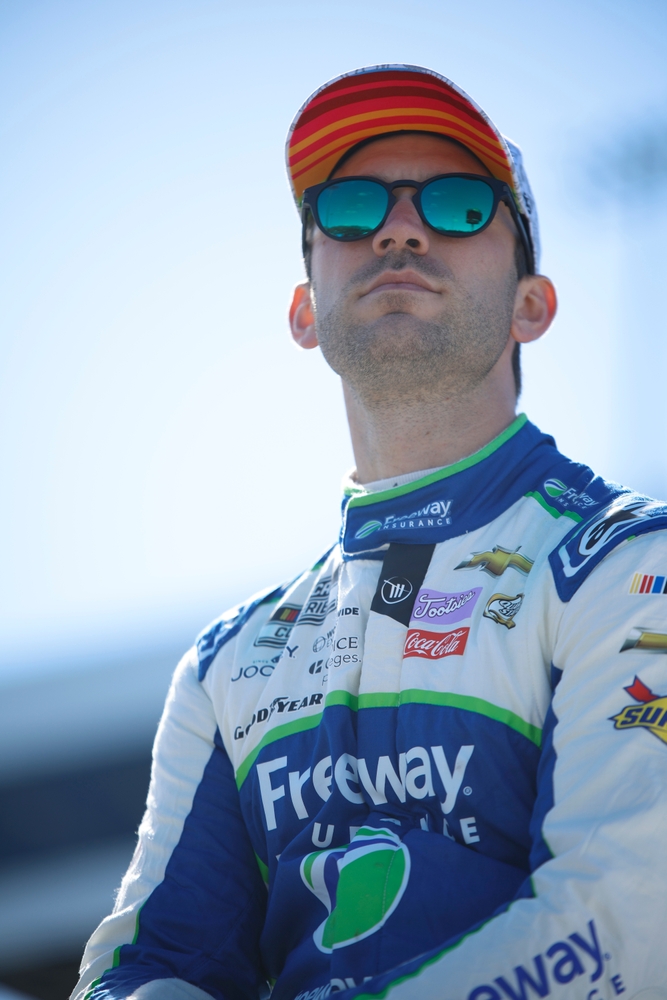
As a Premier Partner of NASCAR, Freeway Insurance supports the sport and its fans throughout the NASCAR season. Freeway also sponsors NASCAR Cup Series driver Daniel Suárez as he competes at tracks across the country.
Away from the track, Freeway helps drivers compare auto insurance coverage based on their needs and budget. Whether you are heading to a race or getting behind the wheel for your everyday drive, having the right coverage can help you feel prepared for the road ahead.
Explore Freeway Insurance online, give us a call, or connect with a local agent to compare coverage options.
Frequently Asked Questions About the Bristol Night Race
What makes the Bristol Night Race different from other NASCAR events?
The Bristol Night Race stands out for its short, high-banked track, close racing, and stadium-like atmosphere. Racing under the lights adds to the experience, while Bristol’s compact layout puts drivers in traffic throughout the 500-lap race. These characteristics have helped earn Bristol the nickname “The Last Great Colosseum.”
How long does the Bass Pro Shops Night Race last?
The 500-lap Bass Pro Shops Night Race typically lasts about 2.5 to 3.5 hours. Cautions, red flags, and other race delays can extend the total time.
When did Bristol start hosting night races?
Bristol began hosting NASCAR Cup Series races in 1961, with its first Saturday night Cup race held in 1978. The nighttime format went on to become one of the track’s defining traditions.
What should first-time attendees know about Bristol night racing?
First-time attendees should plan to arrive early to allow time for parking and getting into the speedway. Bring hearing protection, check the weather, and dress for changing temperatures as the evening progresses. Bristol’s compact layout provides good views of the action from many areas of the stadium.
How does Bristol’s night race impact the NASCAR playoffs?
The Bristol Night Race is a cut-off race in the NASCAR Cup Series Playoffs. A win can advance an eligible playoff driver to the next round, while other drivers must earn enough points to avoid elimination. That makes every position especially important for drivers competing for the championship.