Top Home Insurance Claims and How to Avoid Them
-


- +9 years writing about insurance, pets, and entertainment.
- Expert in technical and academic writing with an international scope.
Erandi García is Freeway’s Bilingual Senior Copywriter. With nearly 10 years of experience in content creation, her career has allowed her to explore the world through internationa…
-
- 10+ years in journalism and content creation, with a B.A. in Journalism from Arizona State University.
- Senior Copywriter & Content Manager at Freeway Insurance, specializing in consumer-friendly insurance content.
Cyndi Wright is the senior copywriter and content manager at Freeway Insurance. With a career that has spanned many facets of writing across a variety of platforms, Cyndi loves …
-
Rose Carter is an accomplished content strategist and marketing leader with a proven track record of creating impactful, results‑driven content. With expertise in writing, editing,…

Owning a home is a significant milestone and investment, offering security and a place to create lasting memories. However, protecting this investment requires not only a good home insurance, but also understanding the risks your home faces and how homeowners insurance claims can help you recover from unexpected events. Learn about the most frequent homeowners insurance claims in the U.S. and practical strategies to prevent these common losses.
What’s Homeowners Insurance?
Homeowners insurance is a vital form of financial protection designed to safeguard your home and personal assets from unexpected events. This type of insurance policy covers a range of risks, including property damage, liability, and bodily injury, helping homeowners recover from losses that could otherwise be financially devastating. According to the Insurance Information Institute, nearly 6% of American homeowners file insurance claims each year, with property damage claims being the most common. Homeowners insurance typically covers damage caused by events like fires, lightning strikes, windstorms, and hail, ensuring that you have enough coverage to protect your investment.
Understanding the basics of homeowners insurance is essential for every homeowner, as it not only helps you protect your property but also shields you from liability if someone is injured on your premises or if you accidentally cause damage to someone else’s property. By knowing what your insurance covers and how to file a claim, you can make informed decisions and ensure your home and belongings are well protected.
Want a quick overview before diving into the details? This short video explains some of the most common home insurance claims and what homeowners should know.
Types of Home Insurance Coverage
Most homeowners insurance policies offer several types of coverage to provide comprehensive protection for your property and your peace of mind. Dwelling protection covers the home’s physical structure, including the foundation, walls, and roof, ensuring that repairs or rebuilding costs are taken care of after a covered event. Other structures protection extends coverage to detached structures on your property, such as a garage, tool shed, or fence. Personal property protection safeguards your personal belongings—like electronics, furniture, and clothing—against risks such as fire, theft, or lightning claims. Liability protection is another crucial component, covering bodily injury or property damage to others that may occur on your property. This includes medical bills and related expenses if someone is injured, as well as legal costs if you’re found responsible for damage to someone else’s property. Notably, nearly one third of personal injury claims against homeowners are due to dog bites, making liability protection especially important for pet owners.
Most homeowners insurance policies also cover common risks like wind and hail, fire, and damage to your roof or detached structures, ensuring you have broad protection against life’s unexpected moments.
Understanding the Most Frequent Homeowners Insurance Claims
Homeowners insurance claims primarily involve property damage, accounting for nearly 96% to 97% of all claims filed annually. Liability claims, while less common, can result in substantial expenses related to bodily injury or damage to others’ property—liability claims involving someone else’s property are often among the most expensive types of claims. Knowing the most common types of claims helps you prepare your home and avoid costly incidents.
1. Wind and Hail Damage
Wind and hail damage is the most frequent cause of homeowners insurance claims, representing about 40% to 45% of all claims filed each year. Severe weather events such as thunderstorms, tornadoes, hurricanes, and hailstorms can cause significant damage to a home’s physical structure, including roofs, windows, siding, gutters, and detached structures like tool sheds and fences.
The average loss from a property damage claim caused by wind and hail is approximately $14,747. Damage can range from missing or damaged shingles to broken windows and dented siding. Many homeowners are surprised to learn that storm shutters and impact-resistant roofing materials can help reduce damage and insurance claims.
Prevention Strategies:
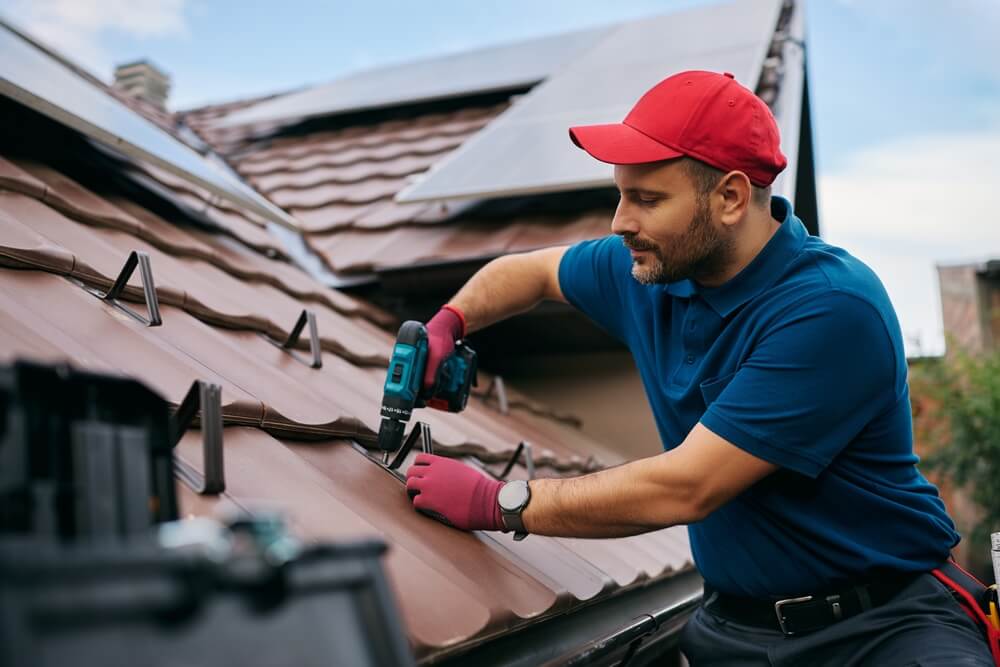
- Regularly check and maintain your roof, repairing loose or damaged shingles promptly.
- Install storm shutters or impact-resistant windows to protect against hail and wind.
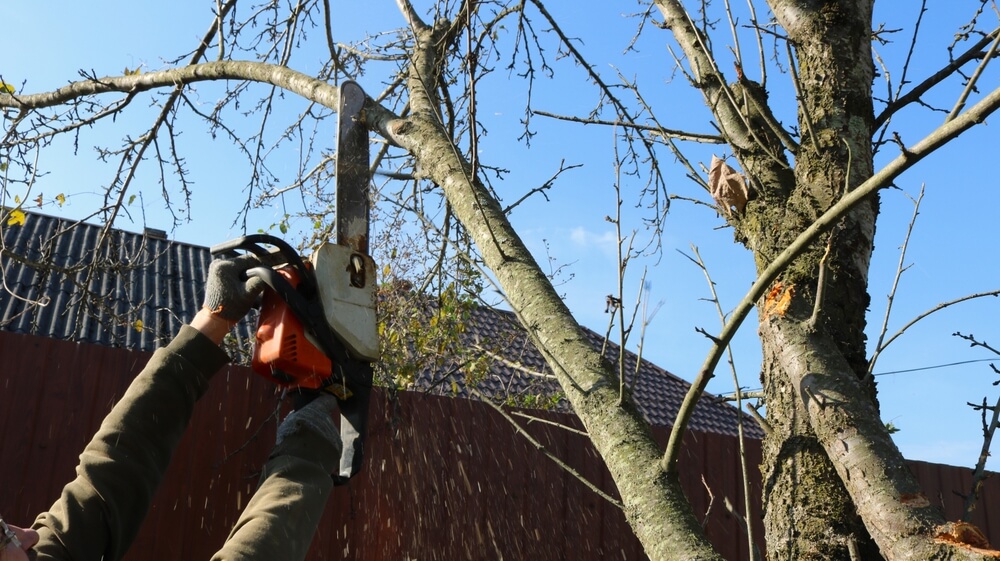
- Trim trees and remove dead branches near your home to prevent them from falling during storms.
- Secure outdoor furniture and belongings before severe weather to prevent damage or injury.
- Reinforce garage doors to withstand high winds.
2. Water Damage and Freezing
Water damage and freezing claims account for about 24% of homeowners insurance claims, making it the second most common category. Sudden and accidental water damage, such as burst pipes, appliance leaks, or freezing pipes, is generally covered by most homeowners insurance policies. However, damage resulting from gradual leaks, flooding, or poor maintenance usually is not covered.
The average claim amount for water damage and freezing is around $15,400. This type of damage can be extensive, affecting the home’s physical structure, personal belongings, and sometimes leading to mold remediation costs.
Prevention Strategies:
- Regularly inspect and maintain plumbing systems, including water heaters and appliances.
- Winterize pipes in unheated areas by insulating them and shutting off exterior water sources.
- Install water leak detection devices in basements, utility rooms, and other high-risk areas.
- Maintain gutters and downspouts to ensure proper drainage away from the foundation.
- Address small leaks immediately to prevent larger problems and potential claim denials.
3. Fire and Lightning Damage
Fire and lightning damage claims, while less frequent than wind or water damage, are among the most expensive. They account for approximately 21% of homeowners insurance claims, with an average loss exceeding $88,000 per claim. Fires can cause devastating damage to your home’s physical structure, personal belongings, and may require additional living expenses if your home becomes uninhabitable during repairs.
Lightning can also cause electrical surges that damage appliances and electronics, which may be covered under your policy’s fire and lightning coverage.
Prevention Strategies:
- Install smoke detectors on every level of your home and test them monthly.
- Keep fire extinguishers accessible and regularly check their condition.
- Maintain electrical wiring and avoid overloading circuits.
- Store flammable materials safely and away from heat sources.
- Develop and practice a family fire escape plan.
- Consider installing lightning rods and whole-house surge protectors in areas prone to electrical storms.
4. Theft and Vandalism
Theft and vandalism claims make up less than 1% of homeowners insurance claims but can still result in significant losses averaging around $5,524. These claims often involve stolen personal property or damage caused by malicious mischief, including broken windows, graffiti, or property destruction.
Prevention Strategies:
- Install a comprehensive home security system with alarms, cameras, and motion-activated lighting.
- Reinforce doors and windows with deadbolts and security film.
- Join or establish neighborhood watch programs to increase community vigilance.
- Keep valuables secured and maintain an updated inventory with photos and receipts.
- Use timed lighting indoors and outdoors when away to deter burglars.
5. Bodily Injury and Property Damage Liability Claims
Liability claims, which include bodily injury and damage to others’ property, represent about 2.5% of homeowners insurance claims but tend to be among the most expensive, with average claims around $37,174. These claims arise when someone is injured on your property or if you accidentally cause damage to someone else’s property. You are responsible for paying your deductible out-of-pocket before your insurance company will pay for covered damages or losses. Homeowners insurance is designed to insure against sudden and accidental incidents, not neglect or lack of maintenance.
Common examples include slips and falls, dog bites, or accidents involving family members or guests.
Prevention Strategies:
- Regularly check and maintain walkways, stairs, and driveways to remove hazards like ice, snow, or debris.
- Keep pools, trampolines, and play areas safe and supervised.
- Maintain fences and gates to restrict access to potentially dangerous areas.
- Train pets and keep them under control to prevent dog bites.
- Consider increasing liability coverage limits or purchasing an umbrella policy for additional protection.
6. Other Property Damage (Including Vandalism and Malicious Mischief)
Other types of property damage—including vandalism, malicious mischief, and other miscellaneous damages—account for roughly 8% of homeowners insurance claims. This category includes vandalism and covers damage not caused by wind, water, fire, or theft, such as a tree falling on your roof or damage from an accident.
Prevention Strategies:
- Regularly inspect and maintain trees on your property to prevent branches from falling.
- Install storm shutters and reinforce vulnerable structures.
- Secure your property with fencing and lighting to deter vandals.
- Maintain your home’s exterior and promptly repair damage to avoid escalation.
You may want to read: How Home Renovations and Upgrades Affect Your Homeowners Insurance
Filing a Homeowners Insurance Claim: Basic Steps
Filing a home insurance claim involves a structured sequence of documentation, assessment, and settlement. Filing a claim efficiently can help you receive fair compensation and minimize stress. Here are the basic steps to follow when filing a homeowners insurance claim:
- Ensure Safety and Prevent Further Damage: Make sure everyone is safe and take reasonable steps to prevent additional damage, such as shutting off utilities or covering broken windows.
- Document the Damage: Take clear photos and videos of all damage from multiple angles before cleaning up or making any repairs. Keep damaged items for inspection if possible.
- Contact Your Insurance Company Promptly: Contact your insurance company as soon as possible after the incident, providing details about the incident, date, and extent of damage.
- Complete Required Documentation: Submit necessary forms, inventories, and receipts as requested by your insurer.
- Work with Insurance Adjusters: Cooperate with the adjuster’s inspection and provide any additional information needed. After filing a claim, an adjuster may be assigned to assess the damage and determine the payout amount. The insurance company will pay for covered damages or losses up to your policy limits after you have paid your deductible.
- Track Your Claim: Maintain records of communications and follow up regularly to monitor claim progress. If you do not hear back from your insurer within a reasonable time frame, be sure to follow up.
Understanding your policy’s coverage limits and deductibles is important before filing a claim.
What Homeowners Insurance Typically Covers
Most homeowners insurance policies provide financial protection for:
- The home’s physical structure, including the dwelling and detached structures like garages and tool sheds.
- Personal belongings inside the home.
- Liability protection for bodily injury and property damage to others.
- Additional living expenses if your home is temporarily uninhabitable due to a covered loss.
It is important to note that most homeowners insurance policies do not cover damage resulting from neglect, wear and tear, or lack of maintenance. Damage from flooding and earthquakes typically requires separate coverage.
How to Reduce Your Risk and Save on Insurance Premiums
Mitigating risks not only protects your home but may also qualify you for premium discounts. Consider the following:
- Install smoke alarms and a fire extinguisher as key safety measures.
- Maintain plumbing and electrical systems regularly.
- Use home security systems to reduce theft risk.
- Keep walkways clear and safe to prevent injuries.
- Regularly inspect and maintain your roof, gutters, and detached structures.
- Regularly inspect and maintain your garage doors to prevent claims related to wear and tear.
- Keep your home pest-free and consider pest control companies to prevent infestations that can cause damage not covered by insurance.
- Winterize your home to prevent freezing pipe damage.
- Bundle your homeowners insurance with other policies like auto or renters insurance to save money and simplify your coverage management.
Financial protection can also extend to claims involving counterfeit money or unauthorized use, such as credit card fraud. Some companies offer coverage or assistance for these scenarios, helping you recover from financial losses.
Understanding the most frequent homeowners insurance claims and implementing practical prevention strategies can significantly reduce your risk of loss and costly claims.
Get Your Homeowners Insurance Quote Today with Freeway
If you’re looking for affordable homeowners insurance or want to bundle multiple policies for extra savings, our experienced agents are here to help you find the coverage that fits your needs and budget.
Don’t wait for the unexpected, get a personalized quote with Freeway Insurance today and secure your peace of mind. Contact us online, by phone at 800-777-5620, or find a nearby Freeway Insurance office to start your quote now!