
Are Roof Replacements Covered by Homeowners Insurance?
-


- 10 Years of Content Writing Experience
- 5 Years of Insurance Content Experience
Mónica Alarcón is a bilingual Senior Copywriter at Confie, the parent company of Freeway Insurance, where she specializes in creating educational insurance…
-
- 4+ Years of Insurance Content Experience
- B.A. in Journalism, Arizona State University
Cyndi Wright is the Senior Copywriter at Freeway Insurance, where she develops and oversees consumer-focused insurance content designed to help individuals and families make informed coverage…
-
- 13 Years of Insurance Industry and Content Experience
- B.S. in Applied Technology and Performance Improvement, University of North Texas
Rose Carter is an insurance content strategist and marketing executive with 13 years of experience developing consumer-focused insurance education and digital…
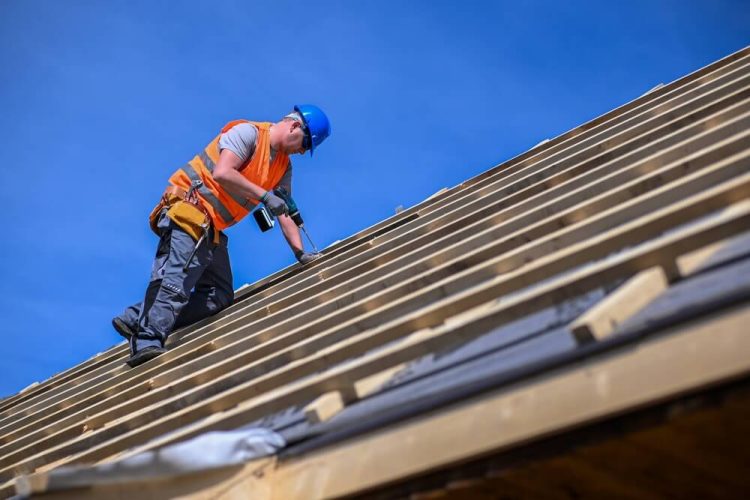
Your roof is one of the most valuable and costly parts of your home to maintain or replace. Understanding how roof replacements are covered by homeowners insurance is crucial to protect your investment and avoid unexpected expenses.
Having the right coverage in place ensures your home and family stay safe from sudden damage caused by storms, accidents, or other unforeseen events. Since roof repairs or replacements can be a significant financial burden, it’s important to know what your homeowners insurance policy covers and how it can help. By exploring roof replacement insurance options early, you can make informed decisions, maintain your roof’s condition, and safeguard your home against costly damages that might otherwise come out of pocket.
The Basics of Roof Replacement Insurance Coverage
Roof coverage is part of your overall homeowners plan, not a separate policy. When exploring what a homeowners policy covers, always read the fine print about repairs. Most policies will include roof coverage, but there are some stipulations.
Insurers will usually only pay to replace your rooftop when it incurs irreparable damages from an unexpected situation. Plans typically cover damages related to wind, fire, hail, snow, lightning, vandalism, and falling debris such as tree limbs (as long as the falling limb is not due to a lack of proactive tree maintenance on your part).
They won’t cover standard wear and tear that happens over time. Your provider may also deny claims for damage related to lack of maintenance, so it’s critical to perform basic upkeep to keep your rooftop in good condition.
The roof’s age is a key factor in determining eligibility and coverage limits. Because the average roof lasts around 20 years before it needs to be replaced, some companies won’t cover roofing that’s more than 15 or 20 years old. Most homeowner’s insurance policies will not cover the cost of roof replacement due to normal wear and aging. Others will restrict how much they’re willing to cover for older roofs by only offering an Actual Cash Value (ACV) plan instead of a Replacement Cost Value (RCV) plan.
ACV vs. RCV Coverage
Insurers often weigh the replacement cost vs. the market value of your assets when determining what kind of coverage to offer. ACV roofing coverage refers to insurance plans that will only reimburse you for the current value. For example, imagine you get a new roof for $10,000. If it gets destroyed while it’s still brand new and worth $10,000 on the market, your policy will pay the entire $10,000 cost to get you a new roof, minus your deductible. However, after a few years pass, it will depreciate in value. If it is only worth $7,000 due to age, and wear and tear, the insurer will only reimburse you for $7,000 worth of repairs — even if it costs much more to replace the roof.
RCV coverage will pay for you to completely replace your roofing when you’re eligible to make a claim, regardless of its age and how much it’s worth. So, even if your rooftop is only worth a few thousand dollars after several years, your insurer will still pay for the full replacement.
RCV plans are typically more expensive than ACV plans. Additionally, they’re not available to all homeowners. Insurance companies may only offer ACV plans to homeowners with older roofs to avoid paying for costly repairs that are likely to happen soon. Coverage options and costs can vary depending on your state and specific circumstances, such as the age of your roof, the type of damage, or recent storms.
Homeowners Insurance Policy Details
Homeowners insurance is one of the most important investments you can make to protect your property and your family’s financial future. A standard homeowners insurance policy offers comprehensive financial protection against unexpected events like theft, fire, and certain natural disasters, helping you safeguard your most valuable asset—your home.
When you purchase homeowners insurance, your policy typically includes several key types of coverage. First, there’s protection for your dwelling, which covers the cost to repair or rebuild your house if it’s damaged by a covered peril such as fire or theft. In addition, your policy extends coverage to your personal property, ensuring your belongings are protected if they’re stolen or destroyed in a covered loss. Liability coverage is also included, offering financial protection if someone is injured on your property or if you accidentally cause damage to someone else’s property.
As you review your homeowners insurance policy, it’s crucial to pay attention to coverage limits and deductible amounts. Coverage limits determine the maximum amount your insurance company will pay for a covered loss, while your deductible is the amount you’ll need to pay out of pocket before your insurance kicks in. Choosing the right balance between cost, coverage, and deductible can help you enjoy peace of mind and ensure you have the financial protection you need.
When selecting a coverage, consider factors such as the replacement cost of your home and personal property, the risks specific to your location, and any additional coverage options you may need. By understanding your plan details and making informed choices, you can protect your investment and be prepared for life’s unexpected events.
When Is Roof Damage Covered vs. Excluded?
Understanding when your roof damage is covered under your homeowners insurance policy can save you from unexpected expenses. Generally, roof damage caused by sudden and accidental events is covered, while damage from wear and tear or maintenance neglect is excluded.
Typically Covered Roof Damage
- Storm damage: Damage from storms including hail, wind, lightning, and snowstorms is usually covered, including damage from a fallen tree caused by a covered peril.
- Fallen trees or limbs: If a tree or branch falls on your roof due to a covered peril like a storm, the damage is generally covered.
- Fire and vandalism: Roof damage resulting from fire or vandalism is typically included.
- Other covered perils: Damage from lightning strikes or other covered disasters may also be eligible.
A common industry rule of thumb suggests that if more than 25–30% of the roof is damaged, a full replacement is typically safer and more economical than patching.
Commonly Excluded Roof Damage
- Wear and tear: Damage due to aging, normal deterioration, or lack of maintenance is not covered.
- Maintenance issues: Claims related to neglect, such as failing to repair minor leaks or clean gutters, may be denied.
- Excluded natural disasters: Earthquakes and floods often require separate policies.
- Pre-existing damage: Damage present before the policy started or before inspection is not covered.
How to File a Roof Damage Insurance Claim
Filing a home insurance claim properly increases your chances of getting your roof replacement covered. Here’s a step-by-step guide to the insurance process for roof damage:
Step 1: Conduct Regular Maintenance
Preventative maintenance boosts your home insurance coverage eligibility. Inspect your roof regularly for visible signs of aging, such as curling, buckling, cracked, or missing shingles, and check for granules in the gutters, which indicate shingle deterioration. Keep your roof in good condition by cleaning gutters, removing debris, and trimming trees regularly. This reduces the risk of damage and claim denial.
Step 2: Document the Damage
After damage occurs, take clear photos and videos of the affected areas. It’s a good idea to consider hiring a certified roofing professional to thoroughly evaluate the damage and provide a comprehensive inspection report. This documentation is crucial for your claim.
Step 3: Make Temporary Repairs
To avoid secondary damage like leaks or water damage, make short-term repairs promptly. Use tarps or temporary patches, but keep receipts and photos of these repairs for your insurer.
Step 4: Contact Your Insurance Provider
Reach out to your insurer to start the claims process. Provide all documentation and answer any questions about the damage. You can usually file claims online or by phone. When contacting your provider, you can also request a homeowners insurance quote to compare coverage options and discover potential savings, especially if you bundle policies.
Step 5: Meet with the Insurance Adjuster
An adjuster will inspect your roof to verify the damage and determine coverage eligibility. Be present during the inspection to point out all issues and provide your documentation.
Step 6: Review Your Claim Outcome
If approved, review the payout details, including your deductible and coverage limits. If denied, ask for clarification and consider appealing with additional evidence.
Common Reasons Roof Claims Are Denied
Knowing why roof claims are often denied can help you avoid costly mistakes:
- Lack of maintenance: Insurance policies require homeowners to maintain their roofs. Neglecting routine upkeep like cleaning gutters or fixing minor issues can lead to claim denial.
- Aging roofs: Older roofs may only qualify for Actual Cash Value (ACV) coverage or be excluded due to increased risk of failure.
- Pre-existing damage: Damage that existed before the policy start date or before inspection is not covered.
- Excluded perils: Damage from excluded events such as floods or earthquakes requires separate insurance.
- Insufficient documentation: Failure to provide clear photos, videos, or professional assessments can delay or deny claims.
- Policy exclusions: Some policies exclude certain types of damage like wind or hail in high-risk areas.
Preventative Tips to Maintain Your Roof and Reduce Claim Risks
Maintaining your roof not only extends its life but also improves your chances of insurance coverage:
- Schedule annual roof inspections with a licensed contractor.
- Clean gutters and downspouts regularly to prevent water damage.
- Trim overhanging tree branches to reduce the risk of falling limbs.
- Repair minor roof damage promptly to avoid worsening issues—roof repair is typically much less expensive than a full roof replacement, making timely repairs a cost-effective strategy.
- Keep detailed records of all maintenance and repairs.
- Review your homeowners insurance policy annually to understand your coverage.
- Bundle your home and auto insurance for potential discounts and easier management.
Make Sure Your Roof Is Covered Today
Is your roof replacement covered by your homeowners insurance? It depends on several factors, including your ongoing maintenance and the specifics of your coverage. It’s important to review your home insurance needs regularly, especially after major life changes, to ensure your coverage remains adequate.
Having a dependable homeowners insurance plan is the key to protecting your investment in your property. If you want to ensure your roofing repairs are covered, head to Freeway Insurance and sign up for a homeowners plan. Talk to an insurance agent in person at your local Freeway office, call 800‑777‑5620, or request an online quote to safeguard your home today.
FAQs: Roof Replacement and Insurance Coverage
Does Homeowners Insurance Cover Roof Leaks?
Homeowners insurance may cover roof leaks if caused by a covered peril such as hail or wind damage. Leaks resulting from wear and tear or maintenance neglect are typically excluded.
Is Roof Damage from Storms Covered by Homeowners Insurance?
Yes, damage from storms like hail, wind, or fallen trees is usually covered, provided it is sudden and accidental.
What Is the Difference Between ACV And RCV Coverage For Roofs?
ACV reimburses you for the depreciated value of your roof, while RCV covers the full replacement cost regardless of depreciation.
Can I Get a Roof Replacement Covered If My Roof Is Old?
Older roofs may only be eligible for ACV coverage or may be excluded from coverage. Check your policy and speak with your insurance agent.
How Do I File a Claim for Roof Damage?
Document the damage, make temporary repairs, contact your insurer, and cooperate with the insurance adjuster’s inspection.
What Can Cause My Roof Claim to Be Denied?
Common reasons include lack of maintenance, aging roof, pre-existing damage, and damage from excluded perils.
Does Homeowners Insurance Cover Damage from Hail?
Typically, yes, if hail damage is sudden and accidental. However, some policies exclude hail damage in high-risk areas, so confirm your coverage.
Will Insurance Cover Roof Replacement After a Tree Falls on It?
If the tree falls due to a covered peril like a storm, your policy usually covers the roof replacement.
Are There Discounts for Bundling Home and Auto Insurance?
Yes, many insurers offer discounts when you bundle your home and auto insurance policies, helping you save on premiums.