
Should You File a Small Auto Insurance Claim or Pay Out of Pocket?
-


- 10 Years of Content Writing Experience
- 5 Years of Insurance Content Experience
Mónica Alarcón is a bilingual Senior Copywriter at Confie, the parent company of Freeway Insurance, where she specializes in creating educational insurance…
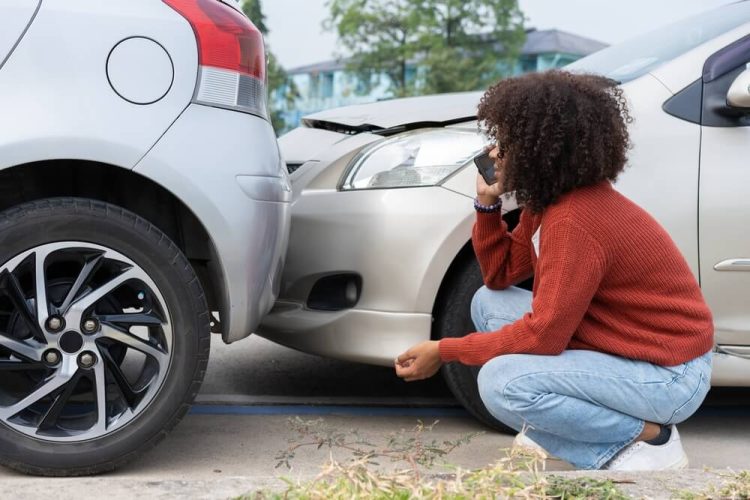
A scraped bumper, cracked taillight, or small parking lot dent can leave you with an awkward decision: Should you use insurance or pay for the repair yourself?
The answer depends on more than the body shop estimate. Your deductible, the possibility of hidden damage, who else was involved, and your policy’s reporting requirements can all affect the decision.
So when is a small claim worth filing, and when might paying out of pocket make more sense? Here’s what to consider before you decide.
When Paying Out of Pocket May Make Sense
Paying out of pocket may make sense when the damage is minor, the costs are clear, and no one else is involved. But when another person or their property is involved, the decision can become more complicated.
The repair cost is below your deductible
Collision and comprehensive claims usually require you to pay a deductible before the insurer contributes. If a repair costs $450 and your deductible is $500, there may be no insurance payment to collect. Reviewing how auto insurance deductibles work can help you identify the amount that applies before you make a decision.
The potential insurance payment is small
A repair that costs only slightly more than the deductible may produce a modest payment. For example, a $700 covered repair with a $500 deductible could result in a potential insurer payment of about $200. Some drivers may decide that a small payment is not worth opening a claim for cosmetic damage to their own vehicle, especially if they can comfortably cover the repair.
Only your own vehicle has minor damage
A shallow scratch, a small dent, or damage from backing into a stationary object may be easier to handle privately when no other vehicle or property was affected. Still, appearances can be misleading. Modern bumpers may contain cameras, radar units, parking sensors, brackets, and wiring that raise the repair cost well beyond what is visible from the outside.
You can afford the full repair without creating hardship
Avoiding a claim is not automatically the best financial choice if paying the bill would drain your emergency fund or force you to use expensive credit. Insurance is designed to absorb covered losses that would otherwise be difficult to manage. Your budget matters just as much as the size of the possible payment.
When You Should Report the Accident or File a Claim
Paying out of pocket becomes riskier when the damage may be more serious or someone else is involved. In these situations, reporting the accident or filing a claim may be the better option.
Someone may be injured
Report the incident when a driver, passenger, cyclist, or pedestrian may have been hurt. Some injuries are obvious, while neck, back, and soft-tissue symptoms can appear hours or days later. A private payment for vehicle damage does not prevent a future injury claim.
Another vehicle or someone else’s property was damaged
If you damaged another car, a fence, a mailbox, a storefront, or other property, the potential loss may be larger than the first estimate suggests. Liability insurance is intended to help cover injury or property damage you cause to others, up to your policy limits. Handling a third-party accident privately can leave you exposed if the other person discovers additional damage or seeks medical treatment down the road.
The damage may be more serious than it looks
A low-speed impact can damage alignment components, suspension parts, mounting points, cooling systems, or driver-assistance technology. Ask a qualified repair shop to inspect the vehicle before deciding that a claim would be too small to matter. Hidden damage is one of the strongest reasons not to rely only on a quick visual estimate.
The loss involves theft, weather, vandalism, fire, or an animal
These events are generally associated with comprehensive insurance rather than collision coverage. Their effect on pricing and claims history can differ from an at-fault crash, but coverage, deductibles, and insurer practices vary. Report theft promptly to the police and insurer, and document weather or vandalism damage before repairs begin.
You cannot absorb the repair or liability risk
A claim may make sense if paying for the repairs yourself would put too much strain on your budget. Even if the insurance payment is relatively small, consider what you can comfortably afford to pay out of pocket.
Reporting an Accident Is Not Always the Same as Requesting Payment
Drivers often use “reporting an accident” and “filing a claim” as if they mean exactly the same thing. They can be separate steps. A policy may require prompt notice of an accident even when you are still gathering estimates or are unsure whether you will request payment. State laws may also require a police, DMV, or other accident report based on injuries, property damage, or other circumstances.
Before deciding not to report an accident, check your policy and state requirements to see whether reporting is required. If you only want to ask your insurer a general question, consider asking how the conversation will be documented before sharing details about the incident.
Compare the Repair Cost With Your Deductible
For damage to your own car, the deductible gives you a useful starting point. A basic estimate is:
Potential insurance payment = covered repair cost − applicable deductible
This calculation is only a first pass. It does not account for hidden damage, rental expenses, injuries, liability to another party, policy conditions, or how a claim could affect future pricing. The National Association of Insurance Commissioners notes that insurers may consider factors such as driving record, claims history, vehicle use, chosen coverage, and deductibles when underwriting and rating auto insurance.
How Different Coverages Affect the Decision
The coverage that applies depends on what caused the damage and who was affected. Understanding the difference between collision, comprehensive, and liability coverage can help you determine what your policy may cover and whether a deductible applies.
Collision coverage
Collision insurance may help repair or replace your vehicle after a covered crash with another vehicle or object, regardless of who caused the collision, subject to the policy limit and deductible. A scraped garage wall, a collision with a pole, or damage from another car may fall into this category.
Comprehensive coverage
Comprehensive coverage generally applies to covered non-collision losses such as theft, hail, vandalism, fire, falling objects, or hitting an animal. A comprehensive deductible may be different from your collision deductible, so check the declarations page before estimating the insurer’s potential contribution.
Liability coverage
Liability coverage can help pay for injuries or property damage you cause to others. It does not cover repairs to your own vehicle. If another person or their property is involved, paying out of pocket can be risky because additional costs may come up later.
Here are some common situations that illustrate different coverages:
| Situation | Coverage that may apply |
| You scrape your car against a pole | Collision |
| Hail damages the vehicle | Comprehensive |
| You damage another person’s vehicle | Property damage liability |
| Another person is injured | Bodily injury liability or applicable no-fault coverage |
Policy terms, exclusions, limits, state law, and fault rules affect the result, so this table is a general guide rather than a coverage guarantee.
Questions to Ask Before You Decide
Use these questions to slow the decision down and identify issues that are easy to miss right after a minor accident:
- Was another driver, passenger, cyclist, pedestrian, or property owner involved?
- Could an injury or additional damage appear later?
- Has a qualified shop checked for sensors, alignment problems, or hidden damage?
- Which coverage and deductible apply to this event?
- What does your policy require you to report, and by when?
- Does the state require a police, DMV, or other accident report?
- Can you afford the full repair without harming your emergency savings?
- Have you filed other recent claims that may already be part of your insurance history?
What to Do After Minor Vehicle Damage
Even when the damage looks small, protect yourself before deciding whether to pay or file:
- Move to a safe location and check for injuries. Call emergency services or police when needed.
- Exchange information. When another person is involved, collect names, contact details, license plates, driver’s license information, and insurance information.
- Photograph the scene. Capture every vehicle, visible damage, road conditions, signs, and surrounding property.
- Stick to the facts. Avoid speculating about responsibility at the scene.
- Check reporting requirements. Find out whether your state or insurance policy requires you to report the accident and how soon you need to do so.
- Get a written estimate. Ask the shop to inspect cameras, sensors, brackets, alignment, and structural components.
- Keep records. Save photographs, estimates, receipts, police information, and notes from every conversation.
Review Your Coverage Before the Next Accident
A minor accident can reveal whether your deductible, coverage limits, and current policy still fit your budget. Freeway Insurance can help you compare auto insurance options and better understand how collision, comprehensive, and liability coverage may apply after an accident.
Get a quote online, call us at (800) 777-5620, or visit a Freeway Insurance office near you to speak with an agent.
Frequently Asked Questions About Small Insurance Claims
Is it worth filing a claim for minor car damage?
It can be. Filing a claim may make sense when the repair cost is well above your deductible or paying for repairs yourself would strain your budget. If the damage is minor and the potential insurance payment is small, paying out of pocket may be an option.
Should I file a claim if the repair costs slightly more than my deductible?
Not necessarily. Start by comparing the repair cost with your deductible and make sure the estimate accounts for any hidden damage. If insurance covers only a small portion of the repair, you may decide to pay out of pocket. However, filing a claim may make more sense if another person or vehicle is involved.
Can an auto insurance claim affect my premium?
Yes, a claim can affect pricing or renewal decisions, but there is no universal percentage or timeline. The result depends on state rules, insurer practices, fault, claim type and severity, prior claims, driving history, and any accident-forgiveness feature. Ask your insurer or agent how those factors apply to your policy.
Can I pay another driver directly instead of using insurance?
A private payment is risky because injuries or additional property damage may appear later. A written agreement may not prevent another person from making a later claim, and your policy or state law may require reporting. Notify the insurer when another person, vehicle, or property is involved, especially when liability is uncertain.
Does asking my insurer a question automatically open a claim?
Practices vary. A general coverage question may be handled differently from a detailed report of a specific accident, but some insurers document inquiries or create an incident record. Before sharing event-specific information solely for a hypothetical estimate, ask how the conversation will be recorded and review your obligation to provide prompt notice.