Can Police Tell If You Have Car Insurance?
-


- 10 Years of Content Writing Experience
- 5 Years of Insurance Content Experience
Mónica Alarcón is a bilingual Senior Copywriter at Confie, the parent company of Freeway Insurance, where she specializes in creating educational insurance…
- 13 Years of Insurance Industry and Content Experience
- B.S. in Applied Technology and Performance Improvement, University of North Texas
Rose Carter is an insurance content strategist and marketing executive with 13 years of experience developing consumer-focused insurance education and digital…
- 15+ Years of Insurance Experience
- North Carolina and Florida Licensed Insurance Agent
Odalis Candia Cuba is a licensed insurance professional with over 15 years of experience helping customers find the right coverage for their…

Yes, police can often check if a vehicle has car insurance by requesting proof of coverage or checking state registration and insurance records. In some states, a license plate lookup can reveal an insurance status indicator. But there’s no universal, instant nationwide check, and database records can lag behind policy changes. Your insurance card may also look current even if the policy has been canceled.
That matters when you get pulled over, change insurance companies, or discover a mistake on your vehicle’s record. A quick plate check may be useful, but it doesn’t necessarily tell an officer everything about your policy. Knowing what to carry and how to fix a reporting error can make an already stressful traffic stop easier to handle.
Key Takeaways
- Police may use insurance cards, registration checks, and state electronic records to verify coverage, but access varies.
- A license plate lookup isn’t a guaranteed, instant nationwide insurance check.
- Neither an old insurance card nor a delayed database entry conclusively proves whether a policy is active.
- Drivers should keep accepted proof of insurance available and contact their insurance company promptly if a state record appears incorrect.
How Do Police Check If You Have Car Insurance?
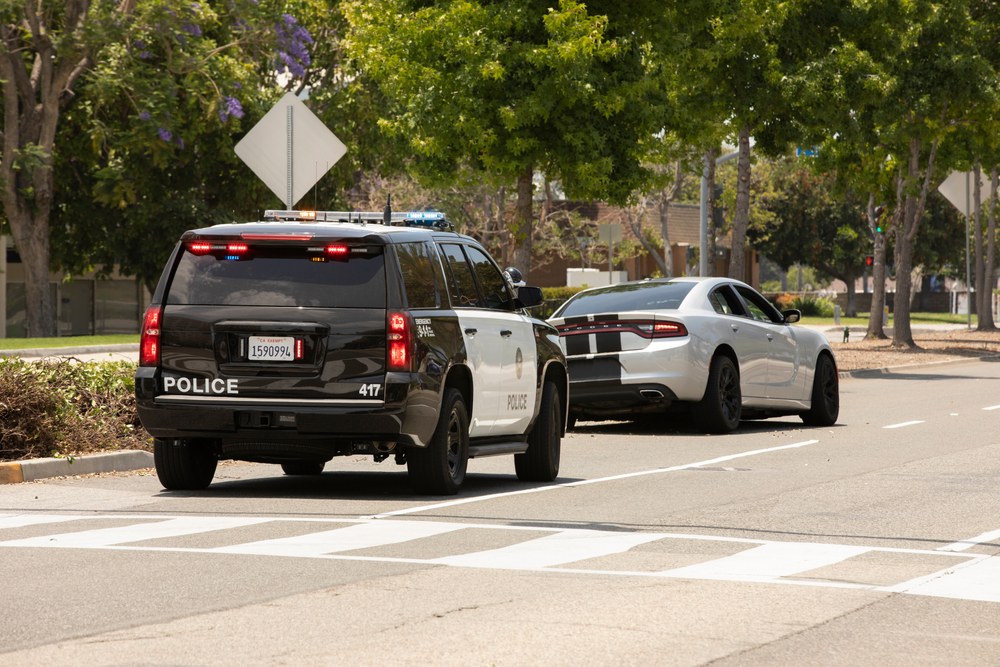
Police commonly use three methods: They ask for an insurance ID card, check vehicle registration records, or query an electronic insurance-verification system where one is available. The information officers can access depends on the state and the agency’s systems.
Showing an Insurance Card
An officer may ask to see a paper card or an approved electronic version. The card usually identifies the insurance company, policy number, insured vehicle, and stated coverage dates. It is useful evidence, but it can’t independently confirm that a policy is still active today.
Checking Registration and State Records
A plate or vehicle identification number (VIN) may help an officer locate registration information and, in certain states, an insurance status record. The state may receive policy transactions directly from insurance companies. Other jurisdictions have different verification processes, so a license plate is not a nationwide window into every policy.
Using Automated License Plate Readers
Some law enforcement agencies use automated license plate readers (ALPRs), cameras that capture plate numbers for database searches. These cameras don’t read an insurance contract. Any insurance-related result depends on the separate records and access available to that agency. An ALPR scan doesn’t definitively prove active or inactive coverage.
Method What It Can Show Important Limitation Insurance ID card Insurance company, policy number, vehicle, and printed dates May remain in your possession after cancellation Registration or insurance database Reported insurance status, if the state provides it Reporting errors and delays are possible Plate reader or plate lookup Plate information used to query authorized records Doesn’t directly inspect the policy Can Police See Insurance From Your License Plate?
Sometimes. In states that connect vehicle records with insurance reporting, an officer may see a status indicator after checking a plate. Elsewhere, the available information may be more limited, and the officer may need to review your card or seek confirmation another way.
For example, the Georgia Department of Revenue explains how insurance information is reported electronically for registered vehicles. Georgia also recognizes exceptions, including certain fleet and self-insured vehicles. An absent or unclear electronic record doesn’t automatically tell the full story.
Texas uses TexasSure, an automated verification program described by the Texas Department of Motor Vehicles. The existence of systems like these doesn’t mean every police department, in every state, can instantly retrieve an accurate live policy status from any plate.
If your vehicle is registered in one state but you are driving in another, expect officers to follow the rules and information available in the state where the stop occurs. Keep proof with you rather than assuming a cross-state database lookup will answer every question.
Can Police Tell If Your Insurance Has Lapsed?
A police check may flag an expired or canceled policy when the insurance company has reported the change, and the state has processed it. Yet neither a card nor a database is a perfect real-time record. The effective dates and cancellation status confirmed by your insurance company matter more than how current an old card looks.
Here is a simple example: You switch insurance companies on Monday, and your new policy starts that morning. During a Tuesday traffic stop, a state database still shows your former insurance company or no matching policy. That discrepancy doesn’t necessarily mean you drove uninsured. Your new declarations page or confirmation of coverage can help your insurance company investigate and correct the reporting information.
The reverse can happen, too. A card may list an expiration date that has not passed, but your policy could have ended earlier for another reason. If you are unsure, review your effective dates, payment status, and covered vehicle in your account, or call your insurance company to verify. It also helps to understand how to read your auto insurance policy instead of relying only on the ID card.
Avoid driving if you learn that required insurance is not in force. An auto insurance lapse may create legal and registration consequences, and buying a new policy typically doesn’t make an earlier uninsured period disappear.
Do You Still Need to Carry Proof of Insurance?
Yes, drivers should keep current proof of their required coverage or other legally accepted financial responsibility available. Exact rules and acceptable formats vary by state, so having both a paper copy and an insurance company-issued digital card is a sensible backup.
New York, for example, permits qualifying electronic insurance ID cards during a traffic stop, subject to New York DMV requirements. California requires drivers to carry evidence of financial responsibility, as explained by the California Department of Insurance. These examples are state rules, not a single national standard.
Georgia offers a useful caution: Its insurance requirements rely on electronic reporting for many Georgia-registered vehicles, so an ordinary insurance card alone may not be sufficient proof. Certain vehicles and circumstances are subject to exceptions.
Before you drive, take a minute to confirm your proof matches the policy you actually have. These small habits can make a roadside check much easier:
- Check that the vehicle, policy dates, and insurance company information are correct.
- Keep an insurance company-issued digital ID card accessible if your state accepts electronic proof. A screenshot may not meet every state’s requirements.
- Carry a paper copy as a backup in case your phone is unavailable.

What Happens If Police Can’t Verify Your Insurance?
An officer may ask for additional documentation or issue a citation if you can’t demonstrate required coverage. The result depends on your state, what the records show, and whether you actually had valid coverage at the time.
Failing to show proof and driving without required insurance is not necessarily the same violation. State penalties can include fines, registration action, and other consequences, but there is no single nationwide amount or suspension period.
For example, the California Department of Insurance explains that a driver who doesn’t show proof may receive a ticket and that driving uninsured can bring additional consequences. Always follow the instructions on your own citation or state notice.
If your policy was active during the stop, contact your insurance company for written verification showing the relevant dates. Keep the citation and submit the required documentation through the court or agency named on it. Don’t assume a ticket will automatically disappear once you show an insurance card.
If you are actually uninsured, arrange the required liability insurance before driving again. Liability coverage may help pay for covered injuries or property damage you cause others, up to policy limits; it is different from collision protection for your own vehicle.
What If a Database Incorrectly Says You Are Uninsured?
Start with your insurance company. Confirm that coverage was active for the exact date at issue, then ask the company to check the vehicle information it reported. A clerical mismatch can matter as much as a delayed transaction.
- Check the Policy Status. Ask your insurance company to confirm the effective and termination dates in writing.
- Compare Vehicle Details. Make sure the VIN, plate information, and named insured match the appropriate records.
- Ask About Electronic Reporting. If the state uses insurance company reporting, request that your insurance company investigate or correct any missing or incorrect submission.
- Contact the Right State Office. If the registration or VIN record is wrong, the motor vehicle agency or registration office may need to make that correction.
- Respond to Any Notice or Citation on Time. Follow its stated deadlines, save copies, and provide documentation to the court or agency handling it.
In Georgia, insurance companies are responsible for submitting certain electronic insurance data, according to the state’s reporting requirements. If the VIN on the vehicle registration itself is wrong, the county tag office may need to correct the registration record.
This illustrates why contacting the correct office matters. If you have been told your registration is suspended, confirm its status with the issuing agency before driving. An insurance company’s confirmation of coverage and a state’s decision to reinstate a registration are separate steps.
Need Help Keeping Your Car Covered?
Keeping your car insurance active can help you avoid complications during a traffic stop. If your coverage has lapsed or you’re looking for a new policy, Freeway Insurance can help you compare auto insurance options that fit your needs and budget.
Get started by requesting a free car insurance quote online, calling 800-777-5620 to speak with a Freeway agent, or visiting a Freeway office near you. An agent can help you explore available coverage options and understand your next steps before getting back on the road.
Frequently Asked Questions
Can Police Check Insurance on a Parked Car?
An officer may check a parked vehicle’s plate when legally permitted, but the information available and reasons for checking vary by jurisdiction. Some states provide access to electronic insurance information associated with vehicle registration records. However, a plate check alone doesn’t establish every detail of an insurance policy. The officer may need additional documentation to confirm coverage.
Can Police Verify Insurance on a Car From Another State?
They may be able to request registration or insurance-related information, but access differs between jurisdictions. Not every state uses the same electronic verification system. An officer may ask for an insurance card or other acceptable documentation if electronic information is unavailable. Carry current proof of insurance when traveling across state lines.
How Long Does New Insurance Take to Appear in a Police Database?
There is no dependable nationwide timeframe for insurance information to appear in a police database. Reporting schedules, processing, and data matching differ by state. Your policy may already be active even if the electronic record hasn’t been updated. Ask your insurance company to confirm your coverage rather than relying on a presumed update time.
How Can I Check My Insurance Status Before Driving?
Sign in to your insurance company’s account or contact the company to confirm that your policy is active and lists your vehicle correctly. Review the effective dates, payment status, and insurance ID card for accuracy. If your state offers an online insurance verification service, you may also be able to check the information associated with your registration. Freeway’s auto insurance FAQs address additional questions about coverage and policy requirements.