
Are LED Headlights Better?
-


- 4 Years of Insurance Content Experience
- B.A. in Philosophy, National Autonomous University of Mexico (UNAM)
Erandi García is a bilingual Senior Copywriter at Confie, the parent company of Freeway Insurance, where she creates educational insurance content for English- and Spanish-speaking audiences. She…
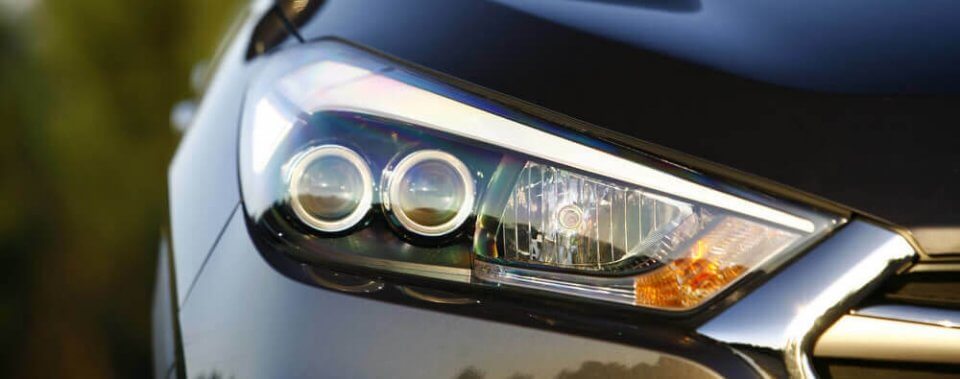
Yes — LED headlights offer improved visibility and efficiency compared to older headlight types. They provide a clearer, whiter light and typically have a longer lifespan, though they can be more expensive upfront.
The automotive industry is always looking for ways to incorporate new technology and improve the vehicles we drive today. A closer look reveals that automakers are focusing on better lighting and replacing the most common headlight bulbs, halogen headlights, with more efficient options like LED and HID Xenon headlights. Halogen bulbs are the most common headlight bulbs used in entry-level cars around the world due to their low cost and ease of replacement.
Today, there are several bulb types available, including halogen, LED, and HID, and each offers its own advantages. The shift to LED and HID technology has also introduced a wide range of LED headlight shapes and styles, allowing for more creative vehicle designs and improved aerodynamics. Manufacturers are spending millions of dollars to improve fuel efficiency in their fleets, and improving the drag coefficient of a vehicle is an easy way to reduce fuel consumption. The advantages of upgrading to LED headlights include improved efficiency, a longer lifespan, and enhanced safety compared to traditional halogen bulbs.
It’s important to examine the advantages and disadvantages of these types of car headlights and how they may impact your auto insurance coverage. Let’s take a closer look at LED headlights in particular to determine if they are the best option for your vehicle.
LED Headlights 101: How They Work and Why They’re Different
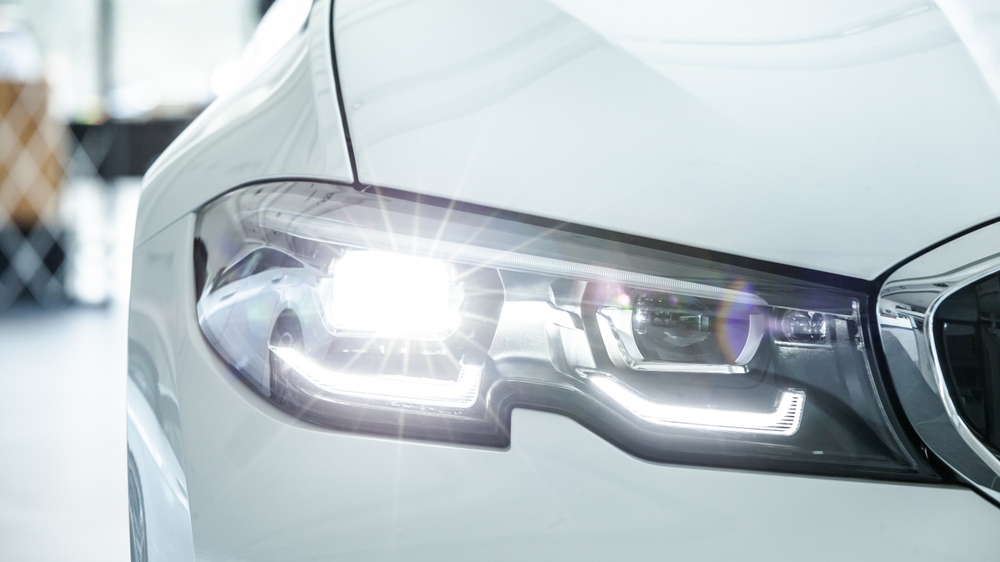
LED headlights use tiny semiconductor chips called Light‑Emitting Diode (LEDs) to make light. These LEDs produce light when electricity flows through them, causing the semiconductor to emit photons and create visible light. LED headlights contain solid-state components, making them more durable and resistant to vibrations and shocks from rough roads. They create a brighter and more energy‑efficient light than traditional headlights and achieve full brightness instantly, unlike halogen headlights that may take time to warm up.
LED headlights are also known to last a long time, and their simple internal components contribute to this durability and longer lifespan. In modern vehicles, LEDs are used all the time, especially as daytime running lights, which are active during the day to improve visibility and safety. Additionally, LED headlights are more versatile in design, allowing for a variety of shapes and configurations that can enhance the look and function of vehicles.
Headlight Bulb Options
When you’re thinking about upgrading your headlights, you’ve got more options today than ever before. Whether you’re commuting to work, driving the kids around, or heading out on weekend adventures, the right headlight choice can make a real difference in your safety and confidence on the road. The three main types you’ll find are halogen bulbs, LED bulbs, and High-Intensity Discharge (HID) lights. Each one has its own benefits and trade-offs, so let’s walk you through what each option means for your everyday driving.
Halogen bulbs have been the go-to choice for decades, and there’s a good reason why. These traditional bulbs use a simple tungsten filament and halogen gas setup that gets the job done without breaking the bank. You can find them just about anywhere, and they’re usually the most budget-friendly option when it comes time to replace a burnt-out bulb. The downside? They’re not the most energy-efficient choice out there, and you’ll find yourself replacing them more often than you might like. Their warm, yellowish light can sometimes make it tougher to see clearly on those dark country roads or during late-night drives.
LED headlights are quickly becoming the favorite for drivers who want the best of both worlds. These smart bulbs use light-emitting diodes to create a crisp, bright white light that’s closest to natural daylight—making everything easier to see. What really sets them apart is how little energy they use and how long they last, often giving you several years more life than traditional halogen bulbs. Plus, they light up instantly when you flip the switch, so you get full brightness right when you need it most. Sure, they cost a bit more upfront, but their durability and efficiency mean you’ll likely save money down the road.
HID lights, or High Intensity Discharge headlights, are perfect for drivers who want maximum brightness and aren’t afraid to invest in serious illumination. These bulbs produce an intense, bluish-white light that can reach much further down the road than other options. The catch? They use more energy than LEDs and need a moment to warm up to full brightness—not ideal if you need instant light. They’re also more delicate than other types and might need special housing to avoid blinding oncoming traffic, which is something nobody wants.
When you’re choosing between these headlight options, think about what matters most for your daily driving routine. Do you want the bright, daylight-quality illumination of LEDs? The wallet-friendly reliability of halogen bulbs? Or the maximum road-reaching power of HID lights? Each choice comes with its own set of advantages and trade-offs in brightness, energy use, and how long they’ll last. The right headlights can give you that extra confidence and peace of mind every time you’re behind the wheel, no matter where the road takes you.
The Pros of LED Headlights
You probably wonder if LED headlights are suitable for cars. These headlights have lots of benefits that you should consider. When you get LED headlight bulbs for your vehicle, you can expect them to last a lot longer than halogen bulbs. An LED bulb lasts about 15 times longer than a halogen bulb, and can last up to 15,000 hours—often for the service life of the vehicle—while halogen bulbs typically burn out after 500 to 1,000 hours.
LED headlights offer many advantages, including their energy efficiency, durability, and improved visibility. They are a better option for car owners due to their energy efficiency, better visibility, and higher quality. LED headlights use about 80% less power than halogen bulbs, which lowers the strain on your car’s electrical system and can improve fuel economy.
This reduced power consumption is especially beneficial for electric vehicles, as it can help increase driving range. Unlike halogen headlights, LED bulbs last a long way and produce a lot of light without creating dark spots. LED headlights provide better visibility due to their whiter light color, which is closer to daylight and improves your ability to see road markers and hazards. It can feel like you have your high beams on when you’re driving with low beam headlights with LED bulbs.
With good reason, LED lights have become increasingly popular in vehicles today as automakers recognize their cosmetic and energy-saving potential.
The Cons of LED Headlights
The glare associated with LED headlights is one of the biggest disadvantages of this technology. The glare can get so bad that it could affect other people on the road. Experts also worry that it can cause long‑term retina damage.
Also, LED headlights are more expensive than halogen lights. LED headlights typically cost $40 to $150 per pair, while halogen bulbs are $10–$50 per pair, but the longevity of LEDs can make them more cost-effective over time. Halogen headlights are simpler to replace, while LED headlights often require more complex installation due to their design. When you upgrade from halogen to LED headlights, be aware that retrofitting may cause legal issues in some jurisdictions, as it is not always allowed without proper certification. Additionally, LED headlights can sometimes interfere with a vehicle’s CANBUS wiring system, potentially leading to electrical problems. Wattage is often used to compare the brightness and power consumption of different headlight types, with higher watt ratings typically indicating increased brightness.
It’s worth noting that some drivers complain about performance issues in inclement weather. That could cause you to have trouble seeing when driving in the rain.
What Is the Difference Between HID and LED Headlights?
Now that you know the pros and cons of LED lights, it’s time to look at HID vs. LED headlights. There are several other types of headlights available, including LED, HID, and halogen. Both LED and HID headlights are legal, so you can add either to your vehicle. Which is the right choice, though?
Let’s look at the difference between the two:
- LED headlights use electrons and diodes to create light. HID headlights are just extremely bright versions of standard light bulbs. Compared to other types, LED headlights are generally not as bright as HID headlights but are brighter than halogen bulbs.
- HID headlights have a farther reach, and the light is brighter. HID headlights are typically the brightest option available for automotive lighting. That’s not necessarily a good thing, though. This causes more glare, putting other drivers at a higher risk.
- It takes high‑intensity discharge headlights about 30 seconds to reach full brightness, while LED headlights achieve full brightness instantly. While this isn’t a problem for some drivers, others cannot wait for headlights to warm up.
- LED headlights allow for more nuanced adaptive headlight control, such as switching off individual LEDs to avoid blinding oncoming vehicles.
- HID bulbs are fragile. They could shatter at some point. While it’s a matter of preference, many people who compare HID vs. LED headlights end up preferring LED technology.
- LED headlights provide clear illumination of the road ahead, improving visibility for drivers.
In conclusion, HID and LED headlights have their own unique advantages and disadvantages. While high‑intensity discharge lights may have a farther reach and brighter light, they also cause more glare and can take time to warm up. Ultimately, the choice between the two depends on personal preference and individual driving needs.
Here is a table to help you compare LED, HID and halogen headlights.
Headlight Comparison Chart: LED vs HID vs Halogen
| Feature | LED Headlights | HID (Xenon) Headlights | Halogen Headlights |
| Brightness | Very bright, focused white light | Extremely bright, wide beam | Moderate brightness, yellowish light |
| Energy Efficiency | Very high | Moderate | Low |
| Lifespan | 15,000–30,000 hours | 2,000–3,000 hours | 500–1,000 hours |
| Warm-Up Time | Instant | 10–30 seconds | Instant |
| Cost | Higher upfront | Moderate to high | Low |
| Glare Risk | Moderate if poorly aimed | High | Low |
| Weather Performance | Can struggle in fog/rain | Better reach but more glare | Performs well in fog/rain |
| Durability | Very durable | Fragile (can shatter) | Less durable |
| Common Use | Modern vehicles, OEM installs | Luxury vehicles, performance | Older and budget vehicles |
| Legal Considerations | Legal when factory-installed or properly retrofitted | Legal but regulated | Legal everywhere |
Note: Improper aftermarket installations—especially LED or HID conversions in halogen housings—may be illegal in some states and can cause excessive glare
What about Halogen Lights?
Halogen lights use a tungsten filament and halogen gas to produce light and are a popular low cost option for older vehicles. However, halogen headlight bulbs are less energy efficient and less durable than newer lighting technologies like LED lights. Halogen headlights produce a significant amount of heat, which results in wasted energy compared to LED headlights. In fact, halogen headlights consume around 80% more energy than LED headlights, which can impact overall vehicle efficiency. The yellowish light they produce is less disturbing for other road users, but overall efficiency and brightness are lower compared to LEDs. Halogen headlights can also affect the visibility and experience of road users and other road users due to their lower brightness and light quality.
How to Make the Right Choice
When it comes to choosing the right headlight bulbs for your vehicle, there are several factors to consider.
First, it’s important to understand that there are different bulb types available—LED, HID, and halogen. Some vehicles are designed to use specific factory-installed headlight systems, such as HID or LED, and may require factory replacement bulbs to ensure proper function and compliance with regulations. Using the wrong type can lead to electrical issues or even legal problems.
The first step is to determine your driving needs and preferences. Do you often drive in inclement weather? Are you looking for headlights that offer the brightest possible illumination? Or do you prefer headlights that produce a warm, yellowish light that is less harsh on the eyes?
Once you have a clear understanding of your driving needs and preferences, the next step is to research the various types of headlights available on the market. As discussed earlier, LED headlights are a popular choice due to their energy efficiency and high‑quality illumination. However, HID lights are also an option for those looking for a brighter, more intense light. And for those on a tight budget, halogen headlights may be the most affordable option.
If you are considering upgrading from halogen to LED headlights, be aware that switching bulb types may cause legal issues, as many jurisdictions do not allow retrofitting without proper certification. In the UK, for example, there are strict regulations regarding aftermarket LED headlight conversions, and vehicles must often retain factory-installed headlights to pass MOT inspection and meet certification standards. Always check your local laws and whether your vehicle requires factory replacement bulbs before making any changes.
Test the Technology Before Making a Choice
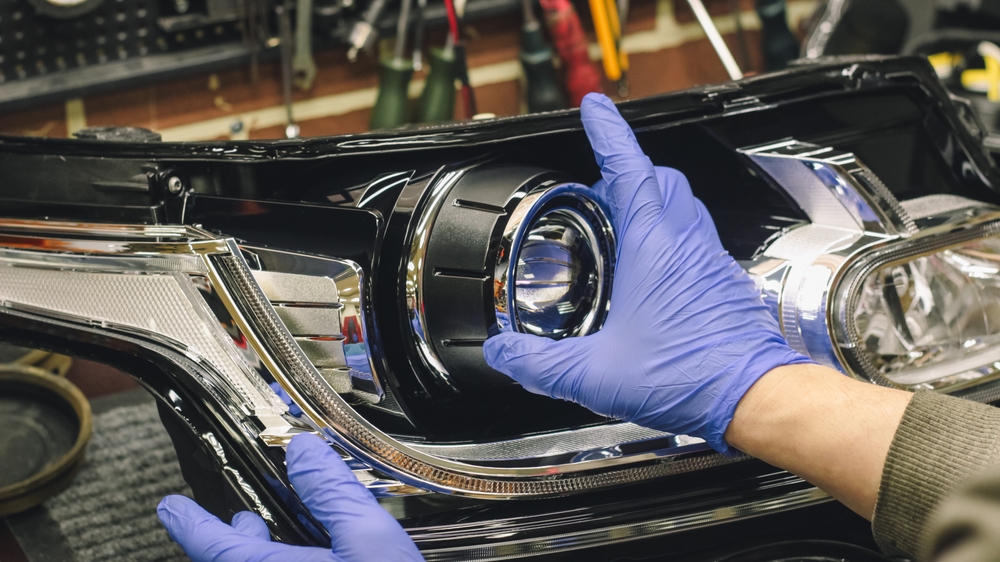
It’s also important to test out different headlight options before making a final decision. This can involve trying out different types of headlights on the road, or consulting with a trusted mechanic or auto technician. By testing out different options, you can get a better sense of how each type of headlight performs in various driving conditions.
Meet Legal Requirements
Finally, it’s important to ensure that the chosen headlights meet legal requirements and are covered by your auto insurance policy. Some types of headlights may not be legal in certain states or countries, so it’s important to check local regulations before making a purchase. Additionally, you may be able to save money on your auto insurance by choosing headlights that are considered safer or more efficient by your insurer.
Conclusion: Are LED Headlights Better?
In conclusion, LED headlights offer many benefits over traditional halogen headlights, including longer lifespan, energy efficiency, and better visibility. However, there are also some downsides to LED headlights, including potential glare and performance issues in certain weather conditions. Ultimately, the choice between LED headlights and other options such as HID headlights or halogen headlights will depend on personal preference and individual driving needs.
Make sure that your chosen headlights meet local regulations and are covered by your auto insurance policy. At Freeway Insurance, we offer high‑quality car insurance coverage to keep you and your vehicle protected on the road. Our insurance experts can help you find the right coverage at an affordable price, and our online tools make it easy to get a free car insurance quote or purchase coverage online. So why wait? Contact Freeway Insurance today to get started or call us at 800-777-5620!
Frequently Asked Questions
Can You Replace Halogen Headlights with LED Bulbs?
While it is technically possible to replace halogen headlights with LED bulbs, it is not always straightforward or legal. Many vehicles are designed specifically for halogen bulbs, and swapping in LEDs without proper certification or compatible housings can cause issues with beam pattern, glare, and vehicle electronics. Additionally, some jurisdictions prohibit retrofitting halogen headlights with aftermarket LED bulbs without approval, so always check local laws before making the switch.
Do LED Headlights Affect Auto Insurance Coverage?
Generally, upgrading to LED headlights does not directly affect your auto insurance coverage. However, if the LED headlights are not installed correctly or violate local regulations, it could potentially impact claims or coverage in the event of an accident. It’s important to ensure any headlight modifications comply with legal standards and notify your insurer if you make significant changes to your vehicle’s lighting.
Can LED Headlights Fail Suddenly?
LED headlights are known for their long lifespan and durability, often lasting up to 15,000 hours. However, like any electronic component, they can fail suddenly due to issues such as electrical faults, water ingress, or manufacturing defects. Proper installation and maintenance can reduce the risk of sudden failure.
Do LED Headlights Require Special Housings?
Yes, LED headlights often require special housings designed to accommodate their unique light output and heat dissipation needs. Using the correct housing ensures proper beam pattern, reduces glare for oncoming drivers, and prevents damage to the LED components. Installing LED bulbs into housings meant for halogen bulbs can lead to poor lighting performance and legal issues.
Are LED Headlights Worth the Cost for Older Cars?
Upgrading to LED headlights on older cars can improve visibility and energy efficiency, but the higher upfront cost and potential installation challenges should be considered. Additionally, some older vehicles may not be compatible with LED conversions without significant modifications. For budget-conscious drivers, sticking with halogen bulbs might be more practical, but LED upgrades can be worthwhile if done properly and legally.
Can Aftermarket LED Headlights Cause Inspection Issues?
Yes, aftermarket LED headlights can cause problems during vehicle inspections or MOT tests, especially if the headlights do not meet local regulations or cause excessive glare. Some regions have strict rules about headlight types and require certification for aftermarket parts. It’s important to use approved LED headlights and consult local inspection requirements to avoid failing inspections.