
NASCAR: How the Season Works and Why Some Races Matter More
-


- 8+ years of experience in content writing, proofreading, SEO, and QA.
- Bilingual Senior Content Writer specializing in insurance content and process optimization.
Monica Alarcon is a Senior Content Writer at Freeway, where she ensures that every piece of content is accurate, clear, and consumer‑focused. Her role combines writing with editoria…
-
- 10+ years in journalism and content creation, with a B.A. in Journalism from Arizona State University.
- Senior Copywriter & Content Manager at Freeway Insurance, specializing in consumer-friendly insurance content.
Cyndi Wright is the senior copywriter and content manager at Freeway Insurance. With a career that has spanned many facets of writing across a variety of platforms, Cyndi loves …
-
Rose Carter is an accomplished content strategist and marketing leader with a proven track record of creating impactful, results‑driven content. With expertise in writing, editing,…
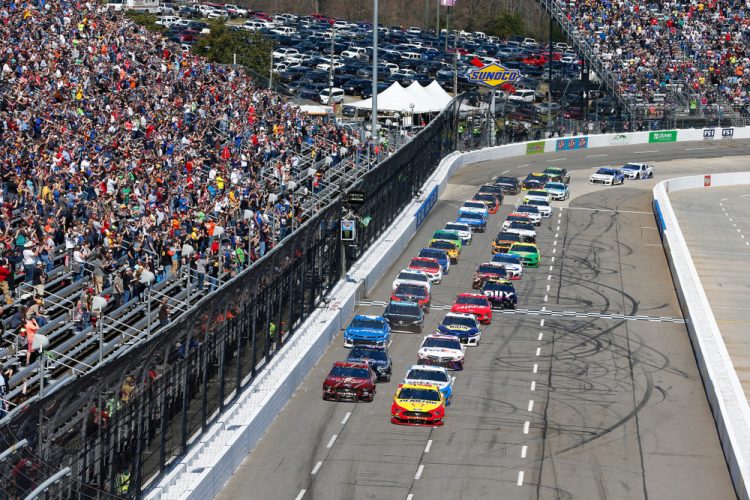
Key Takeaways
- NASCAR runs a long regular season (roughly 26 races) followed by a 10-race playoff system, meaning not all races carry the same stakes throughout the year.
- Points, wins, and stage finishes all contribute to standings, but late-season races and elimination events create significantly higher pressure because a single bad finish can end a championship bid.
- The NASCAR Cup Series sits at the top of stock car racing, with the Xfinity Series and Craftsman Truck Series serving as key national feeder circuits where future champions develop.
- Crown jewel events like the Daytona 500, Coca-Cola 600, and Southern 500 carry outsized prestige even though they award similar points to regular races.
- Freeway Insurance is a premier partner of NASCAR, connecting its racing partnership to helping everyday drivers find affordable auto insurance that fits their needs.
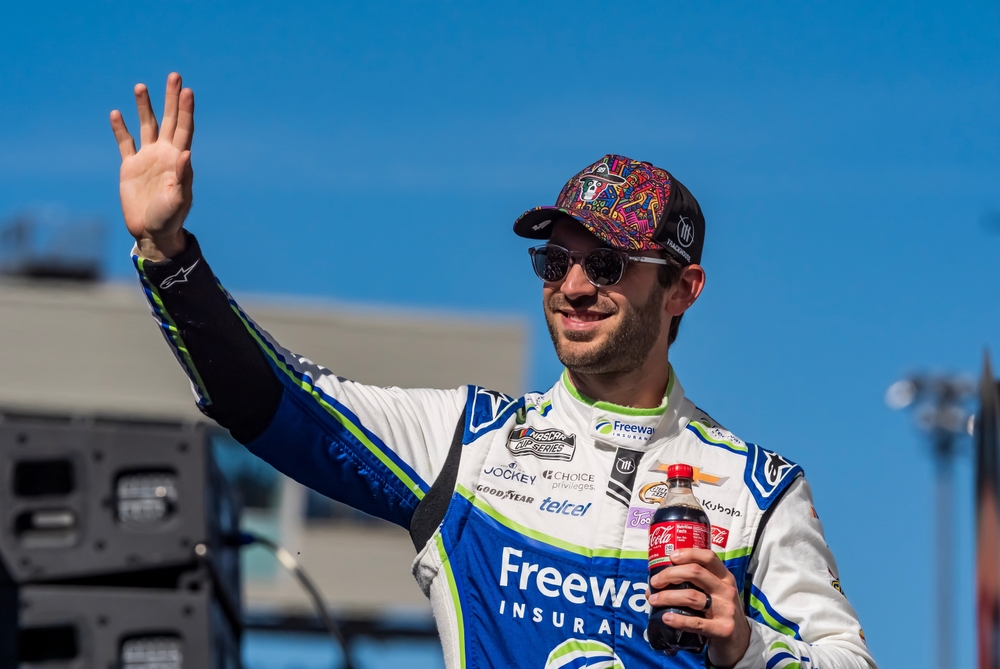
- Freeway Insurance proudly partners with driver Daniel Suárez, supporting his professional racing career and commitment to excellence.
Introduction to NASCAR
NASCAR—formally the National Association for Stock Car Automobile Racing—is the leading stock car sanctioning body in the U.S. Founded in 1948 by Bill France Sr. in Daytona Beach, Florida, it grew from modified street cars racing on beaches into a multi-billion dollar motorsport. Its roots trace back to post-Prohibition bootleggers who modified vehicles for speed to evade law enforcement.
The NASCAR Cup Series is the premier division, with teams racing mainly on ovals from half-mile short tracks to 2.5-mile superspeedways, plus several road courses. The season runs from the Daytona 500 in mid-February through the Championship Race at Phoenix Raceway in early November, with every points-paying race counting toward driver, team, and manufacturer championships.
This article explains NASCAR’s season structure, the regular season versus playoffs, and why some races carry greater stakes. Whether new or seasoned, understanding the weekly stakes enhances race day. As a premier NASCAR partner, Freeway Insurance shares this passion and knows how lessons from racing about safety and risk apply to everyday driving.
NASCAR’s Top National Series
NASCAR sanctions multiple national series that run overlapping schedules throughout the racing calendar. Each series crowns its own champion, but they share similar season structures that progress from a regular season into an elimination-style playoff.
The Three Main National Series:
- NASCAR Cup Series – The top level of American stock car racing, featuring the sport’s biggest names, largest purses, and most prestigious events.
- NASCAR Xfinity Series – Often called NASCAR’s proving ground, this series serves as a developmental circuit where up-and-coming drivers compete on slightly shorter ovals and road courses before graduating to Cup.
- NASCAR Craftsman Truck Series – Features purpose-built pickup-style trucks racing primarily on compact ovals, emphasizing contact-heavy short-track action and serving as another pathway to the Cup level.
The regular season plus playoff structure applies across all three series, though details vary. Many future Cup champions, like Kyle Busch and Joey Logano, developed their skills in the Xfinity and Truck Series before reaching the top level, highlighting the importance of understanding the full season ecosystem for fans.
| Series | Typical Races | Playoff Field | Championship Location |
| Cup Series | ~36 | 16 drivers | Phoenix Raceway |
| Xfinity Series | ~33 | 12 drivers | Phoenix Raceway |
| Craftsman Truck Series | ~23 | 8 drivers | Phoenix Raceway |
NASCAR Cup Series Overview
The NASCAR Cup Series is the highest level of stock car racing in the U.S., featuring iconic tracks like Daytona, Talladega, Darlington, Bristol, Las Vegas, and Phoenix. It also includes road courses such as Sonoma and Watkins Glen that challenge drivers differently.
The Next Gen car, introduced in 2022, uses a spec design with independent rear suspension and 18-inch wheels, promoting parity among Chevrolet, Ford, and Toyota teams. These cars generate about 670 horsepower and can reach speeds near 205 mph on intermediate tracks.
A typical season has around 36 points-paying races plus non-points events like the preseason Clash and the midseason All-Star Race. Race lengths vary by track, from 300 miles on short tracks to 600 miles at marquee events like Charlotte. Since 2020, NASCAR uses a tiered sponsorship model with Premier Partners, including Freeway Insurance, highlighting its commitment to fans.
How a NASCAR Season Is Structured
NASCAR seasons split into two phases: a regular season and playoffs. Both the Cup Series and companion series follow this format, but race counts and qualifying spots vary. This explains why some races feel routine while others carry intense pressure.
Every points race counts, but priorities shift. Early wins in the regular season secure playoff spots and bonus points. In playoffs, consistent peak performance decides who advances. The calendar builds drama—from the Daytona 500 opener through midseason events, the playoff cut-off, and a 10-race playoff ending with a winner-take-all Championship 4 race.
Season Flow Overview:
- Preseason Clash (non-points exhibition)
- Daytona 500 (season opener, February)
- Regular season races across superspeedways, intermediates, short tracks, and road courses
- Midseason crown jewels (Coca-Cola 600 in May, other marquee events)
- Regular-season finale (playoff field decided)
- Round of 16 (3 races, cut to 12 drivers)
- Round of 12 (3 races, cut to 8 drivers)
- Round of 8 (3 races, cut to Championship 4)
- Championship Race at Phoenix (winner-take-all finale)
Understanding this structure transforms casual viewing into informed fandom. You’ll recognize why certain spring races are about experimentation while Oct elimination races carry career-defining stakes.
The Regular Season
The regular season usually runs from February to late August or early September, covering about 26 points-paying Cup Series races. Drivers earn points from finishing positions and stage results to qualify and seed for the playoffs.
Winning a regular-season race virtually guarantees a playoff spot (if eligibility requirements are met). For those without wins, consistent point accumulation through steady finishes is crucial to fill the remaining playoff positions.
Certain regular-season races carry the “crown jewel” designation despite awarding similar points to other events:
- Daytona 500 (February at Daytona International Speedway) – NASCAR’s “Super Bowl” and season opener
- Coca-Cola 600 (May at Charlotte Motor Speedway) – The longest race on the schedule at 600 miles
- Southern 500 (Labor Day weekend at Darlington Raceway) – A historic event dating back to 1950
Pressure increases dramatically as the cut-off race approaches. Bubble drivers sitting 15th through 20th in points face must-perform situations where every position gained—or lost—can determine their entire season’s outcome.
| Season Phase | Primary Driver Goals | Risk Tolerance |
| Early (February-Apr) | Secure first win, test setups, learn new rules packages | Moderate—willing to experiment |
| Mid (May-July) | Build playoff points through stage wins, maintain consistency | Balanced—protect equipment |
| Late (Aug-Sept) | Survive cut-off, maximize points, must-win for bubble drivers | High—desperation moves increase |
The Playoffs
The modern playoff format for the Cup Series consists of 10 races split into four rounds, progressively eliminating drivers until only four championship-eligible contenders remain for the finale. This structure creates escalating tension as the field shrinks.
Playoff Round Breakdown:
- Round of 16 – Three races, bottom four drivers eliminated based on points/wins, field cut to 12
- Round of 12 – Three races, bottom four drivers eliminated, field cut to 8
- Round of 8 – Three races, bottom four drivers eliminated, Championship 4 set
- Championship Race – Single winner-take-all event at Phoenix Raceway
Each round, points reset but drivers keep “playoff points” earned from wins, stage wins, and regular-season performance. This rewards successful drivers but doesn’t guarantee a title. A single mechanical failure or accident can end a championship bid.
The Championship Race is winner-take-all among the four finalists. The highest finisher wins the title, regardless of overall race position.
This format makes playoff and elimination races more critical than spring events. Many drivers have lost title chances due to one bad finish at Richmond, Martinsville, or other elimination races.
How the Points System Works
NASCAR’s points system rewards both winning and consistency while creating additional incentives for running up front throughout each race through “stages.” This multi-layered approach means the answer to “who’s winning?” involves more than just crossing the finish line first.
Each race divides into three stages (sometimes four in longer events like the Coca-Cola 600). Drivers earn stage points based on where they run when each stage ends, plus race-finish points, plus playoff points that carry into the postseason. The length of each stage varies by track and race distance, but the format remains consistent—mini-finishes within the larger event.
Approximate Point Structure:
- Race winner: 40 points + 5 playoff points
- Second place: 35 points
- Positions scale down through the field
- Stage winners: 10 points + 1 playoff point per stage
- Stage top-10: Points from 10 (first) down to 1 (tenth)
The difference between a driver who wins with few stage points versus one who finishes second but dominates stages illustrates how totals compound. Over a full season, aggressive racing throughout each event—not just at the end—builds significant advantages.
Regular Season Points vs. Playoff Points
The distinction between regular points and playoff points confuses many newer fans, but understanding it clarifies why certain races feel more important than others.
Regular points determine race standings and weekly standings throughout the season. They establish which 16 drivers qualify for the playoffs and where each driver sits in the hierarchy entering the postseason.
Playoff points function as a separate tally that follows drivers into each playoff round. These points come from:
- Race wins during the regular season (5 points each)
- Stage wins (1 point each)
- Regular-season championship bonus (15 points for the champion, scaling down for top finishers)
Once playoffs begin, standings reset for each round while drivers retain their banked playoff points. This system means a driver who dominated the regular season with multiple wins enters the playoffs with a significant cushion, while a driver who squeaked in with zero wins starts each round at a disadvantage.
Consider this scenario: Driver A enters the final regular-season race with two wins and 12 stage wins, while Driver B has one win and three stage wins. Even if both make the playoffs, Driver A carries roughly 20 more playoff points into the postseason—a cushion that could decide advancement if both drivers have similar round performances.

Why Some NASCAR Races Matter More
While every points race contributes to the championship, certain events carry pivotal importance due to timing, prestige, or unique circumstances. Knowing which races fall into these categories helps fans prioritize their viewing schedule and understand the drama unfolding on track.
Categories of High-Stakes Races:
- Season opener (Daytona 500) – Sets the tone and secures first playoff berths
- Crown jewels – Historic prestige events that define careers
- Regular-season finale – Determines the final playoff field
- Elimination races – Last event in each playoff round where four drivers are cut
- Championship Race – Winner-take-all finale among the Championship 4
TV coverage, fan attention, and sponsor activations peak at these key events. Partners like Freeway Insurance concentrate major promotional efforts around these races because they draw the largest audiences and generate the most conversation. Even casual fans tune in for the Daytona 500 or Championship Race who might skip a mid-July race at a less prominent venue.
Crown Jewel and Marquee Events
The Daytona 500 stands as NASCAR’s “Super Bowl,” held each February at Daytona International Speedway to kick off the season. Though it awards the same points as most races, its prestige, prize money (historically exceeding $2 million for the winner), and visibility make it uniquely important. Winning the Daytona 500 can define a career—some drivers chase it for decades without success while others capture the magic early and ride that momentum.
Other crown jewels punctuate the schedule:
- Coca-Cola 600 at Charlotte Motor Speedway – Held Memorial Day weekend in May, this is the longest race on the schedule at 400 laps covering 600 miles. Endurance, concentration, and equipment durability all face extreme tests.
- Southern 500 at Darlington Raceway – The “Lady in Black” has hosted Labor Day weekend racing since 1950, making it one of NASCAR’s most historic events. The track’s unusual egg shape punishes mistakes and rewards precision.
- Brickyard events at Indianapolis – When on the schedule, racing at the iconic Brickyard carries tremendous prestige given the venue’s open-wheel history.
Sponsors, including Freeway Insurance as a premier partner of NASCAR, often highlight these races for major activations, fan promotions, and hospitality because of their outsized media impact. The atmosphere at these events—night racing, holiday weekends, sold-out grandstands—creates memories that extend beyond the box score.
Cut-Off and Elimination Races
The final regular-season race serves as a “cut-off” event determining the playoff field. Recently held at Daytona International Speedway, this race often produces surprise winners and dramatic last-lap swings in standings. The superspeedway format forces 40-car packs into chaotic last-lap dashes where anything can happen—and frequently does.
The last race in each playoff round functions as an elimination event:
- End of Round of 16 – Four drivers knocked out, 12 remain
- End of Round of 12 – Four drivers knocked out, 8 remain
- End of Round of 8 – Four drivers knocked out, Championship 4 set
In these races, bubble drivers may gamble on aggressive pit calls, fuel-mileage strategies, or bold passing attempts because they need a win or exceptionally strong finish to survive. Teams that would normally play it safe suddenly take risks that create unpredictable racing.
Picture a driver entering an elimination race a few points below the cut line. A single stage position gain—moving from 11th to 10th at a stage break—could provide the one point that keeps their championship hopes alive. Conversely, a pit-road penalty or getting caught in someone else’s accident could end their season through no fault of their own.
The Championship Race
The season finale at Phoenix Raceway in Arizona is the Championship Race where the title is decided. Four drivers compete, and the highest finisher among them wins the championship, regardless of prior results.
This winner-take-all format leads to unique dynamics:
- Teams prepare specific cars and setups for Phoenix
- Pit crews rehearse intensively as every second counts
- Strategy calls become calculated gambles with championship stakes
While other drivers race for the win, broadcasts focus heavily on the Championship 4 and their relative positions. NBC shows live graphics tracking their standings and who would win the title at any moment.
The emotional stakes are immense. Careers are defined, investments either pay off or fall short, and championship money can impact team stability. This single race can matter more than the previous 35 combined.
How Strategy Changes Throughout the Season
NASCAR teams don’t approach every race identically. Risk tolerance, car selection, and pit strategy evolve depending on the calendar position and points situation. What makes sense in March differs dramatically from what works in October.
Early-Season Strategy: Teams focus on learning new rules and building baseline setups. A win here guarantees a playoff spot and allows more experimentation in later races.
Midseason Strategy: The focus shifts to earning playoff points through stage wins and consistent finishes, while managing equipment to ensure freshness for the postseason.
Late-Season and Playoff Strategy: Teams take more risks with specialized cars and aggressive moves against direct playoff rivals to advance.
A team approaching Daytona in February might run conservatively, protecting the car and avoiding unnecessary contact since the whole season lies ahead. That same team facing an elimination race at Martinsville or Phoenix in the fall might attempt daring passes and unconventional pit strategies because second place and 20th place yield the same result: going home.
Track Types and Tactical Priorities
Different track types demand different approaches in terms of car setups, driving styles, and risk calculations.
Superspeedways (Daytona, Talladega):
- Feature pack racing where cars run nose-to-tail at 190+ mph
- Drafting allies become crucial—teams often coordinate with other cars from the same manufacturer
- “The Big One” wrecks can collect 20+ cars in seconds
- Some playoff teams play it safe to simply survive; others gamble for the massive points payoff of a win
Intermediate Ovals (Charlotte, Las Vegas, Atlanta):
- 1.5 to 2-mile tracks with sustained high-speed cornering
- Qualifying speed matters—track position proves difficult to gain
- Tire management over long runs separates contenders from pretenders
Short Tracks (Bristol, Martinsville, Richmond):
- Half-mile circuits where bumping is expected
- Favor aggressive drivers willing to move competitors
- Especially volatile in playoff rounds when tempers run high
- Veteran drivers with short-track experience often excel
Road Courses (Sonoma, Watkins Glen, Circuit of the Americas):
- Technical precision replaces raw horsepower
- Specialists from other racing disciplines sometimes excel
- Braking zones and turn-in points reward patience over aggression
Teams often target certain tracks where they historically run well as their “best shots” to win or advance. A driver who dominates at Martinsville might approach that elimination race with more confidence than a superspeedway event where luck plays a larger role.
NASCAR, Safety, and Real-World Driving
NASCAR’s evolution in safety and vehicle technology extends beyond the track, informing road-car design and driver education that affects everyday motorists. Many innovations developed for racing eventually find applications in the vehicles we drive daily.
Major safety milestones in NASCAR history include:
- SAFER barriers (debuted 2002) – Steel and foam energy reduction barriers that absorb approximately 70% of crash energy
- HANS device (mandatory since 2001) – Head and neck support system that reduced basilar skull fractures by 80%
- Next Gen car safety features – Added roof crush strength, improved seatbelt systems, energy-absorbing foam barriers
These developments responded to tragedies like Dale Earnhardt Sr.’s fatal 2001 Daytona crash, which accelerated safety improvements. Since then, no Cup drivers have died in competition, though risks remain with impacts exceeding 100Gs at speeds over 180 mph.
Though NASCAR races occur at much higher speeds than daily driving, key safety principles apply to all motorists:
- Always wear proper restraints (seatbelts are racing harnesses’ everyday equivalent)
- Stay focused and avoid distractions
- Know your vehicle’s limits and handling
- Plan for risk and maintain adequate insurance coverage
Safe driving, vehicle upkeep, and understanding insurance needs influence how protected and affordable a driver’s experience is—whether on a freeway or at a race track.
How Freeway Insurance Helps NASCAR Fans on the Road
Freeway Insurance operates as an insurance agency that compares options from many carriers to help drivers find affordable coverage. This includes serving high-risk and non-standard drivers who may struggle to find policies elsewhere—those needing SR-22 filings after DUIs or accidents, drivers with gaps in coverage history, or people with less-than-perfect records.
NASCAR fans and everyday commuters alike benefit from understanding how driving habits, vehicle type, and location affect premium levels. Just as race teams analyze performance data to improve results, smart drivers review their coverage options regularly to ensure they’re getting the best value. Customers across the country—whether in San Diego, Illinois (IL), or Texas (TX)—can access quotes and purchase policies through multiple channels.
Freeway Insurance offers more than car insurance:
- Renters and homeowners insurance to protect your living space
- Motorcycle insurance for two-wheel enthusiasts
- Business insurance for small business owners and rideshare drivers
- Coverage options that fit various budget levels
Ready to find the right coverage? To learn more, get a car insurance quote, visit a Freeway Insurance office or call 800‑777‑5620 for a free, no‑obligation consultation.
Frequently Asked Questions About NASCAR
The following questions address common points of confusion about NASCAR’s season format that weren’t fully covered previously. These answers should help newer fans understand nuances that often get overlooked.
Does every NASCAR race count toward the championship?
Not all races are points-paying. Preseason events like the Clash and midseason All-Star Race offer prize money but don’t affect standings or playoff chances. Only designated points races impact the championship and playoff qualification.
What happens if a NASCAR race is rained out or shortened?
Races may be delayed, postponed, or shortened if weather intervenes. If a race passes halfway and can’t continue, it’s official with points awarded based on current positions. These changes can affect team strategies but not the overall season structure.
Can a driver win the NASCAR championship without winning a race?
It’s very unlikely under the current playoff system, which rewards wins with automatic playoff spots and bonus points. Champions typically must secure race victories to advance and ultimately win the title.
How is the NASCAR points system different from Formula 1 or IndyCar?
NASCAR awards points deep into the field, divides races into stages with bonus points, and uses an elimination-style playoff. F1 and IndyCar award points to fewer finishers and have no postseason playoffs, making NASCAR’s format more dramatic and competitive throughout the season.
How can I follow the NASCAR season if I’m new to it?
Start by choosing a favorite driver, team, or manufacturer and tracking their performance through race recaps and standings pages each week. The sport becomes more engaging when you have a rooting interest to follow.
Focus on key races that demonstrate how stakes build over time: the Daytona 500, the regular-season finale, each playoff elimination race, and the Championship Race. These events showcase the drama that makes NASCAR compelling.
Sign up for race alerts through the NASCAR mobile app, which displays live points as they run and shows how every pass affects the playoff picture. Streaming options through NBC, Peacock, and other partners make catching races easier than ever, whether you’re watching COTA at 1:00 PM or 7:00 PM ET depending on the event.