
Why Daytona International Speedway Is NASCAR’s Most Famous Track
-


- 12+ Years of Content Writing and Editorial Experience
- B.A. in English, East Carolina University
Jessica Richmond is a content writer and strategist with more than 12 years of professional experience creating content for digital and print audiences. Throughout her career, she has written for…
-
- 13 Years of Insurance Industry and Content Experience
- B.S. in Applied Technology and Performance Improvement, University of North Texas
Rose Carter is an insurance content strategist and marketing executive with 13 years of experience developing consumer-focused insurance education and digital…
-
- 8 Years of Insurance Experience
- Alabama Licensed Insurance Agent
Taylor is a licensed insurance professional with eight years of experience in the Alabama insurance market, specializing in personal lines …
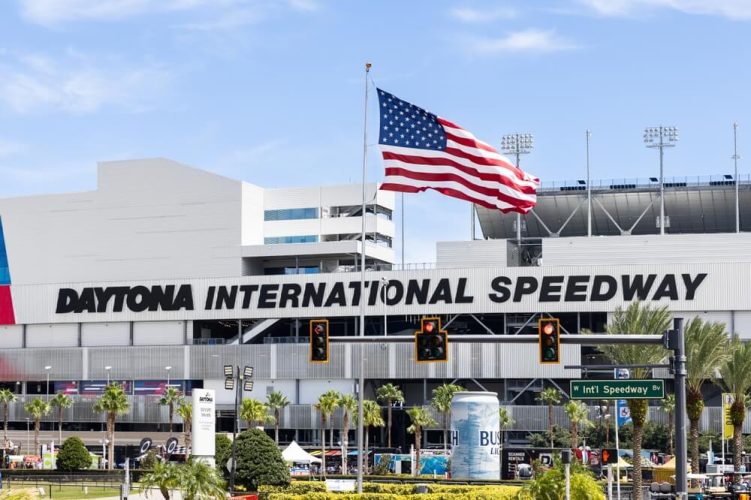
Few places in motorsports carry the weight of Daytona International Speedway. The 2.5-mile, tri-oval superspeedway in Daytona Beach, Florida, is home to the Daytona 500, the sport’s most prestigious race, as well as the Coke Zero Sugar 400, one of the most unpredictable nights on the NASCAR calendar. Its 31-degree banking, tight drafting packs, and history of last-lap drama have made Daytona legendary.
The next chapter arrives on August 29, 2026, when the Coke Zero Sugar 400 returns under the lights as the NASCAR Cup Series regular-season finale. With playoff hopes at stake, drivers must manage the draft, choose partners carefully, survive the chaos around them, and time their final move almost perfectly.
For fans following NASCAR, race attendees planning a trip, and anyone interested in why this track matters so much, Daytona is one of the sport’s most iconic venues. This guide explains how it became the World Center of Racing, how its design shapes strategy and results, which major events define its legacy, and what to know before visiting.
How Daytona Became the Center of the NASCAR World
Daytona’s fame didn’t begin with a modern stadium or a television audience. It grew from racing on the beach, a bold construction project, and a vision for a track unlike anything stock car racing had seen before.
From Beach Racing to a Purpose-Built Superspeedway
Before the speedway opened, drivers raced along a course that combined the hard-packed sand of Daytona Beach with a parallel stretch of roadway. Those events helped establish the area as a center of American speed, but larger crowds and faster cars eventually demanded a safer, permanent venue.
NASCAR founder Bill France Sr. pushed for a purpose-built superspeedway that could host major events and give spectators a clear view of the action. Construction began in the late 1950s, and crews used material from the infield to form the towering banks. The excavation created Lake Lloyd, the 29-acre lake that still sits inside the facility.
Daytona International Speedway opened in 1959. Its first Daytona 500 immediately delivered a finish worthy of the track’s future reputation: Lee Petty and Johnny Beauchamp crossed the line so closely that officials needed several days to review photo evidence before declaring Petty as the winner. From its first major race, Daytona was already producing moments fans would passionately discuss and remember.
A Track Designed to Create Big Moments
Daytona’s tri-oval shape was designed to improve sightlines from the main grandstands, while giving the cars long straightaways and sweeping turns. That layout created a distinctive rhythm where drivers build speed on the straights, enter the corners with minimal lifting, and spend much of the lap surrounded by traffic.
Over time, Daytona became the place where NASCAR opens its season, honors its history, and measures its stars. The Daytona 500 established the track’s prestige, while the summer race developed its own personality as a humid, high-pressure night event. Together, they made Daytona a year-round reference point for the sport, with 101,500 permanent seats that underscore the venue’s scale and viewing options.
What Makes Daytona’s High Banks So Legendary?
Daytona looks dramatic, even when the track is empty. The 31-degree banks allow cars to carry tremendous speed through the corners and help create the close, aerodynamic competition that defines superspeedway racing.
Why the 31-Degree Banking Matters
On a flatter oval, drivers must slow more aggressively to keep the car planted through a turn. Daytona’s banking supports the car through the corner, allowing drivers to maintain momentum and remain close to one another. The result is a race in which the field can stay bunched together for long stretches instead of spreading out over the track.
The banking also gives drivers several possible lanes. The shortest route is near the yellow line, but the middle and outside lanes can build momentum when enough cars work together. A driver may look trapped for one moment and surge toward the front the next, simply because a lane gains energy at the right time.
Drafting, Pack Racing, and ‘The Big One’
Drafting is the core skill at Daytona. A car punches a hole in the air, reducing resistance for the cars behind it. The trailing drivers can use that reduced drag to maintain speed, push the lead car, or build a run that carries an entire lane forward.
That nuance creates temporary alliances. Teammates often work together, but rival drivers may also cooperate when it benefits both of them. The partnership can last for several laps or disappear the instant someone sees an opening. Choosing when to stay in line and when to move is one of the hardest decisions in superspeedway racing.
The same closeness that makes the racing exciting also raises the risk. When cars run two or three wide at nearly 200 mph, one mistimed block, bump, or loss of control can trigger a multi-car crash known as the ‘Big One’. A contender can lead most of the night and still be eliminated in seconds. At Daytona, patience matters, but so does being in the right place when the field finally erupts.
Why Winning at Daytona Can Define a Driver’s Career
A victory at Daytona carries a different kind of prestige. It places a driver alongside generations of champions and creates a career highlight that can outlast statistics from an entire season.
Hall-of-famer Richard Petty’s seven Daytona 500 victories helped build his identity as ‘The King’ and cemented his record for the most wins in the race. Dale Earnhardt’s 1998 win became one of NASCAR’s most emotional moments because it ended two decades of frustration in the event. Crew members from rival teams lined pit road to congratulate him. Recognizing the victory meant more than another trophy.
Daytona can also change a career overnight. Because drafting keeps more cars within reach of the lead, rising drivers and smaller teams may have a realistic chance late in the race. Tyler Reddick proved that in the 2026 Daytona 500, taking the lead on the final lap and winning after a perfectly timed move near the finish. A smart push, a clean restart, or a few decisive seconds can turn a driver into a Daytona champion.
The track’s narrow margins make those wins even more memorable. Photo finishes are part of Daytona’s identity, and the difference between first and second can be only a fraction of a second. Drivers are trying to anticipate a moving pack and make one decisive choice before the finish line arrives.
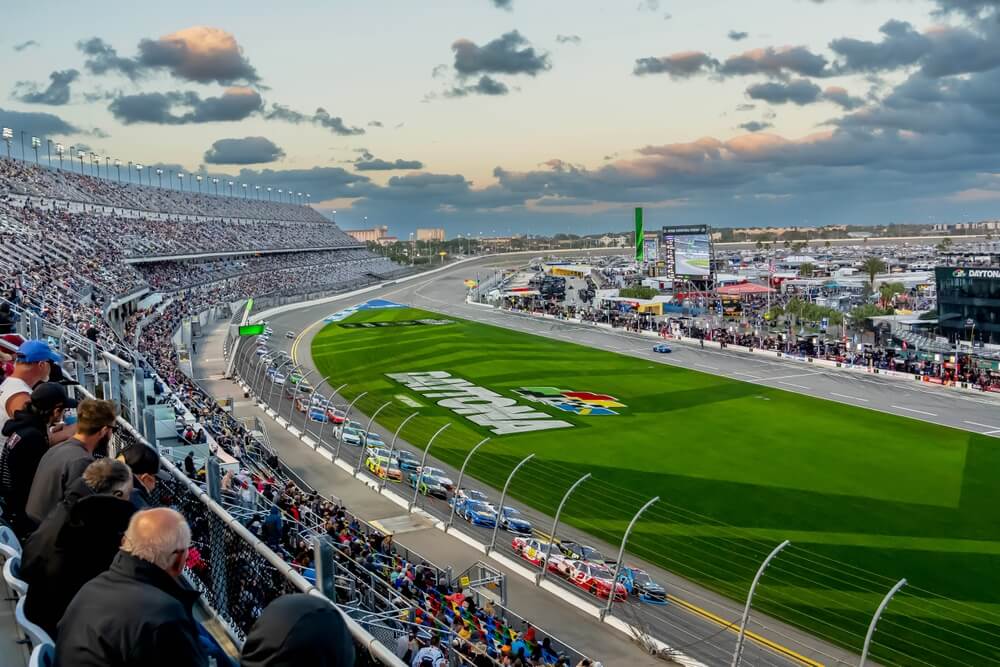
Why the Coke Zero Sugar 400 Is So Unpredictable
The Daytona 500 carries the history of a crown-jewel event, but the Coke Zero Sugar 400 brings a different kind of pressure. It’s shorter, held at night, and positioned as the final race of the NASCAR Cup Series regular season. For drivers near the playoff cut line, every stage point and position matter.
The 2026 event may create even more movement within the draft. NASCAR has introduced race-specific adjustments intended to give drivers more opportunities to pull out of line, build momentum, and attempt bold passes without immediately losing the draft.
Night Racing Changes the Challenge
Florida heat shapes the early part of the weekend, but the track changes as the sun sets. Cooler asphalt can alter grip, handling, and the way each lane develops momentum. Drivers and crew chiefs must adjust as conditions evolve rather than relying on one setup or strategy from start to finish.
The atmosphere changes, too. Cars flash through the banking beneath stadium lights; sparks appear under the chassis, and the closing laps feel faster because the field is often still packed together. For fans attending their first event, Freeway’s guide to watching NASCAR live explains what to expect from the sound, speed, and race-day experience.
Drafting Battles and Playoff Pressure
The regular season finale adds urgency to every move. Drivers already secure in The Chase may pursue the victory more aggressively, while those near the qualification line must balance scoring points with surviving Daytona’s unpredictable closing laps. One crash can erase a season’s worth of work. One victory can secure a place in the championship fight.
Understanding how NASCAR seasons are structured makes the stakes clearer: The Coke Zero Sugar 400 is not just another night race. It’s the final opportunity for many drivers to change the trajectory of their year.
The 2026 Coke Zero Sugar 400 returns to Daytona on August 29, bringing another night of high-stakes drafting and unpredictable racing. Daniel Suárez will be one of the drivers to watch after finishing just behind Ryan Blaney in the dramatic four-wide finish that decided the 2025 race. The Mexican-born NASCAR Cup Series driver has become one of the sport’s most recognizable international competitors.
More Than a Racetrack: Daytona’s Place in Motorsports
Daytona’s influence extends beyond NASCAR. The infield road course hosts the Rolex 24 at Daytona, one of the world’s leading endurance races, and the facility has welcomed motorcycles, sports cars, supercross, concerts, and community events.
The speedway has also evolved without losing its identity. The Daytona Rising renovation modernized seating, concourses, entrances, concessions, and hospitality areas, while preserving the famous view of the high banks. Fans can also take year-round tours that include pit road, the start-finish line, and victory lane.
Anyone planning a trip to take in the historic venue can use Freeway’s Daytona 500 survival guide for practical race-day preparation.
Freeway Insurance and the Excitement of NASCAR
In 2026, Freeway Insurance became the fourth Premier Partner of the NASCAR Cup Series and the Official Insurance Partner of NASCAR. Freeway also continues its partnership with Daniel Suárez as he competes for Spire Motorsports in the No. 7 Chevrolet.
From race weekends to everyday driving, the right protection helps you move forward with greater confidence. Get a Freeway Insurance quote online, visit a local office, or call 800-777-5620 to speak with an agent about coverage options that fit your needs and budget.
Frequently Asked Questions About Daytona International Speedway
What makes Daytona International Speedway NASCAR’s most famous track?
Daytona International Speedway combines history, prestige, speed, and unpredictability. It hosts the Daytona 500, features 31-degree banking, and produces the pack racing and close finishes associated with superspeedways. Since opening in 1959, it has become the stage for many of NASCAR’s most recognizable moments.
When is the 2026 Coke Zero Sugar 400?
The 2026 Coke Zero Sugar 400 is scheduled for Saturday, August 29, at 7:30 p.m. ET at Daytona International Speedway. It is the NASCAR Cup Series regular-season finale, making it the final opportunity for drivers to secure their place in The Chase before the championship portion of the season begins.
Why do drivers draft at Daytona?
Drafting at Daytona reduces aerodynamic resistance for the cars running behind a leader. Drivers use the slipstream to maintain speed, form faster lanes, and create runs toward the front. A driver who loses drafting help can fall several positions quickly, even with a competitive car.
How steep is the banking at Daytona?
The turns are banked at 31 degrees. That steep angle helps cars maintain high speeds through the corners and supports the multi-lane pack racing that makes the track famous. The tri-oval section on the frontstretch has less banking, creating another transition drivers must manage each lap.
Can you visit Daytona International Speedway when there is no race?
Yes. The speedway offers guided tours on many non-race days. Depending on the tour and operating schedule, visitors may see pit road, the start-finish line, victory lane, the high banks, and exhibits connected to the history of Daytona and American motorsports.