
Is Motorcycle Insurance Mandatory? State Laws and Coverage Guide
-


- 8+ years of experience in content writing, proofreading, SEO, and QA.
- Bilingual Senior Content Writer specializing in insurance content and process optimization.
Monica Alarcon is a Senior Content Writer at Freeway, where she ensures that every piece of content is accurate, clear, and consumer‑focused. Her role combines writing with editoria…
-
- 10+ years in journalism and content creation, with a B.A. in Journalism from Arizona State University.
- Senior Copywriter & Content Manager at Freeway Insurance, specializing in consumer-friendly insurance content.
Cyndi Wright is the senior copywriter and content manager at Freeway Insurance. With a career that has spanned many facets of writing across a variety of platforms, Cyndi loves …
-
Rose Carter is an accomplished content strategist and marketing leader with a proven track record of creating impactful, results‑driven content. With expertise in writing, editing,…
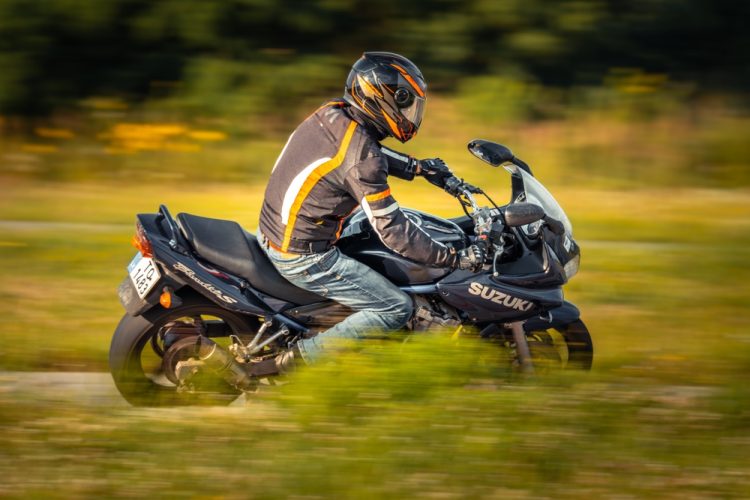
Motorcycle insurance is mandatory in most states, but specific requirements vary depending on where you live. Each state sets its own laws regarding the minimum coverage you must carry to legally operate a motorcycle. It’s essential to check with your local Department of Motor Vehicles (DMV) or insurance company to confirm the requirements before you buy or ride a motorcycle. Insurance requirements may also apply to scooters and similar vehicles.
Motorcycle insurance shares similarities with car and auto insurance, but coverage options and rules can differ. You can customize your motorcycle insurance coverage to fit your needs when obtaining a quote. This includes insuring various types of motorcycles such as sport bikes, cruisers, touring bikes, custom bikes, and even those stored in your garage.
Typical motorcycle insurance policies include several types of coverage. Liability insurance covers damages or injuries you cause to others up to your policy limits. Collision coverage pays for damage to your motorcycle resulting from a collision with another vehicle or object. Comprehensive coverage protects against non-collision events like theft, fire, or vandalism. Additional options include uninsured and underinsured motorist coverage, which helps cover expenses if you’re involved in an accident with a driver who lacks sufficient insurance.
Before purchasing a policy or riding your motorcycle, always read your policy contract carefully and consult your insurance company to ensure you have the proper coverage to ride legally.
Prefer a quick explanation? This short video explains when motorcycle insurance is legally required and why coverage is important for riders.
State Requirements Overview
Motorcycle insurance requirements vary significantly across the United States, with most states mandating some form of insurance coverage to legally operate a motorcycle.
States That Waive Mandatory Motorcycle Insurance
While the majority of states require motorcycle insurance, a few states waive this mandate under certain conditions:
- Florida: Does not require motorcycle insurance but requires riders to prove financial responsibility for damages or injuries they cause.
- New Hampshire: Does not strictly require motorcycle insurance but mandates proof of financial responsibility following an accident.
- Some other states may provide limited exceptions or alternative financial responsibility options under specific circumstances.
Minimum Liability Insurance Limits by State
Each state sets its own minimum liability insurance limits, which typically include coverage for bodily injury per person, bodily injury per accident, and property damage. These minimums vary widely; for example:
- California: $15,000 per person bodily injury, $30,000 per accident bodily injury, $5,000 property damage.
- Texas: $30,000 per person bodily injury, $60,000 per accident bodily injury, $25,000 property damage.
- New York: $25,000 per person bodily injury, $50,000 per accident bodily injury, $10,000 property damage.
Riders should consult their state’s Department of Motor Vehicles (DMV) or insurance regulator for exact minimum limits applicable to their location.
Proof-of-Insurance Requirements for Riders
Most states require motorcycle riders to carry proof of insurance at all times while operating their motorcycle. This proof typically comes in the form of an insurance card or electronic verification and must be presented upon request by law enforcement or when registering the motorcycle. Proof of insurance is also commonly required before a motorcycle’s license plate or registration is issued to ensure the rider has met financial responsibility laws.
Failing to carry or provide proof of insurance can result in fines, license suspension, or other penalties depending on state law. It is important for riders to keep their insurance documentation current and accessible to avoid legal issues.
By understanding these state-specific requirements, motorcycle riders can ensure they remain compliant with the law and adequately protected on the road.
Penalties for Riding Without Insurance
Riding without the required motorcycle insurance can lead to serious penalties. Most states impose fines, license suspensions, or legal action for non-compliance. Your motorcycle may be impounded, and you might be required to file an SR-22 form to prove future financial responsibility before regaining driving privileges.

Coverages Explained
Motorcycle insurance includes several core coverages that every rider should understand. Some coverages are required by law, while others are optional but can provide valuable protection. Knowing the difference between required and optional coverages helps you make informed decisions about your policy.
Liability Insurance
Liability insurance is mandatory in most states for motorcycle riders. It covers costs if you cause bodily injury to others or damage their property in an accident. Bodily injury liability pays for medical expenses, lost wages, and compensation related to injuries or fatalities suffered by other people. For example, many states require minimum liability limits such as $25,000 per person for bodily injury, $50,000 per accident, and $10,000 for property damage. These limits vary by state but provide a baseline level of protection.
Collision Coverage
Collision coverage pays for damage to your motorcycle resulting from a collision with another vehicle or object. While optional, collision coverage is often required by lenders if your motorcycle is financed. It is cost-effective for riders with newer or valuable bikes, as it helps cover expensive repair or replacement costs after an accident.
Property Damage Coverage
Property damage coverage protects third parties by covering repair or replacement costs for property you damage, such as other vehicles or structures. Setting adequate property damage limits is important to avoid out-of-pocket expenses or lawsuits. Consider local repair costs and your financial exposure when choosing these limits.
Bodily Injury Coverage
Bodily injury coverage addresses medical costs and compensation for injuries you cause to others. Coverage limits are typically expressed as per-person and per-accident amounts. For instance, a policy might offer $25,000 per person and $50,000 per accident. Higher limits provide better protection, especially in accidents involving multiple injured parties.
Optional and Supplemental Coverages
Several optional coverages can enhance your protection:
- Uninsured and Underinsured Motorist Coverage: Covers expenses if you’re injured by a driver without sufficient insurance or in a hit-and-run.
- Medical Payments and Personal Injury Protection (PIP): Help pay medical bills for you and your passengers regardless of fault. PIP may also cover lost income and rehabilitation expenses.
- Comprehensive Coverage: Protects against risks like theft, vandalism, fire, and weather damage.
- Towing and Accessory Coverage: Optional add-ons for roadside assistance, towing, and protection of motorcycle accessories such as saddlebags or custom parts.
Understanding these coverages will help you select a motorcycle insurance policy that meets legal requirements and provides the protection you need on the road.
How Coverage Affects Cost
Insurance premiums depend on coverage types, deductibles, rider age, location, driving record, and motorcycle type. Younger riders and those with a history of accidents usually pay higher rates. Choosing higher coverage limits or lower deductibles increases premiums.
The average cost typically ranges from $100 to $500 per year, but discounts for safety courses, bundling policies, and clean records can lower premiums. Always ask your insurer about available discounts.
Choosing the Right Policy
When selecting motorcycle insurance, consider your personal risk, financial situation, and motorcycle value. Carry at least your state’s minimum liability limits, but higher limits provide better protection. If your bike is financed, lenders often require collision and comprehensive coverage.
Balancing deductibles and coverage helps manage costs. Bundling motorcycle insurance with other policies like auto or renters insurance can save money.
Always read your policy carefully to understand coverage, exclusions, and your rights. Confirm your insurance company grants you permission to operate your motorcycle under the policy terms.
To make it easier to understand your options, the table below compares some of the most common motorcycle insurance coverages and what they protect.
| Coverage Type | What It Covers | Required? |
| Liability Insurance | Injuries or property damage you cause to others | Required in most states |
| Collision Coverage | Damage to your motorcycle after a crash | Optional |
| Comprehensive Coverage | Theft, fire, vandalism, and weather damage | Optional |
| Uninsured/Underinsured Motorist | Protection if another driver lacks enough insurance | Optional but recommended |
| Medical Payments/PIP | Medical costs for you and your passenger | Required in some states |
Choosing Liability Limits
When selecting liability limits for your motorcycle insurance, consider your risk level and the value of your bike. For high-risk riders, such as those with a history of accidents or traffic violations, it is recommended to choose higher minimum liability limits to ensure adequate financial protection. If your motorcycle is financed or has a high value, opting for higher limits is advisable to cover potential repair or replacement costs and to satisfy lender requirements.
After an Accident: Proof and Claims
After a motorcycle accident, it is essential to carry certain documents with you, including your insurance card, driver’s license, and vehicle registration. Promptly report the accident to your insurance company to initiate the claims process, providing all necessary information and documentation. If liability or fault is unclear, or if injuries and damages are severe, consulting an attorney can help protect your rights and navigate any legal complexities.
Freeway Insurance Solutions
If you’re unsure about your current policy or want to explore better options, Freeway Insurance offers affordable, customizable motorcycle insurance. Our bilingual agents can help you understand coverage options, including non-standard policies and SR-22 filings. With bilingual support and multiple ways to get help—online for a quick quote, by phone at 800-777-5620, or in person—you can choose the option that works best for you. Get a personalized motorcycle insurance quote from Freeway Insurance today and ride with confidence.
FAQs
Is motorcycle insurance mandatory nationwide?
Motorcycle insurance is mandatory in most states across the U.S., with the exception of Florida, which does not require insurance but mandates proof of financial responsibility for damages or injuries caused. Some states like New Hampshire require proof of financial responsibility only after an accident. It’s important to check your specific state’s laws to ensure you comply with insurance requirements.
How do helmet laws affect coverage eligibility?
Helmet laws vary by state, and wearing a helmet where required is crucial. In states with mandatory helmet laws, insurance companies may offer more comprehensive coverage for medical expenses. Conversely, if you ride without a helmet where it is legally required and get into an accident, your insurance company could deny certain medical payment claims, affecting your coverage eligibility.
Does motorcycle insurance cover out-of-state travel or short-term needs?
Most motorcycle insurance policies provide coverage when you travel to other states, but coverage limits and requirements can vary. It’s advisable to verify with your insurer whether your policy extends protection beyond your home state. For short-term or occasional riders, some insurers offer temporary or short-term motorcycle insurance policies tailored to limited use or specific trips.