
Does Home Insurance Cover EV Charger Installation?
-


- 10 Years of Content Writing Experience
- 5 Years of Insurance Content Experience
Mónica Alarcón is a bilingual Senior Copywriter at Confie, the parent company of Freeway Insurance, where she specializes in creating educational insurance…
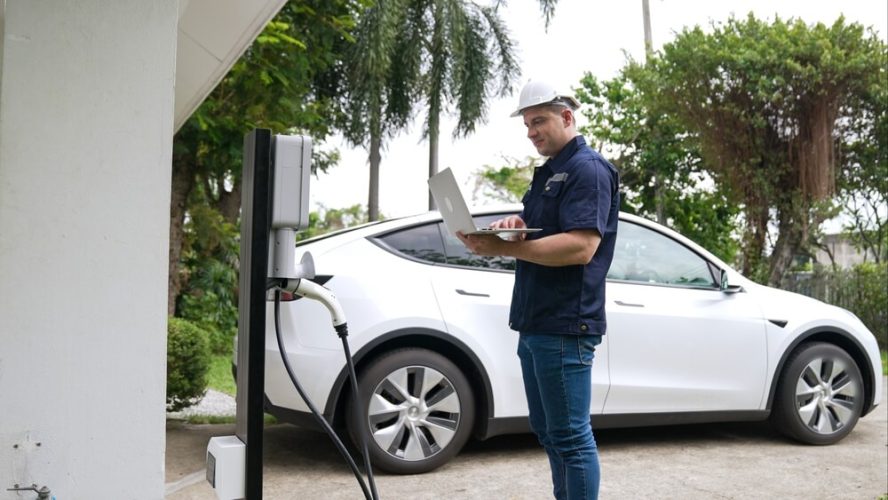
Installing an EV charger at home involves more than choosing the right equipment and hiring an electrician. Once the charger is installed, it can also raise questions about your homeowners insurance, from how the equipment is covered to whether electrical upgrades affect your policy.
So, does homeowners insurance cover an EV charger, and what happens if the charger or your home is damaged? The answer can depend on the type of charger, where and how it is installed, and the terms of your policy.
This guide explains what homeowners should know before and after installing an EV charger, including potential coverage, common exclusions, electrical upgrades, and when to contact your insurer.
This guide explains:
- How homeowners insurance may cover installed and portable EV chargers.
- When to notify your insurer about a home charger.
- How electrical upgrades may affect your home coverage.
- What types of EV charger damage may and may not be covered.
- How coverage works if a charger damages your home, vehicle, or someone else’s property.
Does Homeowners Insurance Pay for EV Charger Installation?
In most cases, homeowners insurance does not reimburse the cost of installing an EV charger because the project is voluntary and planned. Insurance is designed primarily to respond to sudden, accidental losses, not to pay for home improvements.
That means the homeowner is typically responsible for the charger, electrician’s labor, permits, wiring, a dedicated circuit, and any necessary service-panel upgrade. Utility rebates, manufacturer programs, or tax incentives may reduce those costs, but they are separate from homeowners coverage.
Insurance becomes relevant after installation. If a covered fire, lightning strike, windstorm, or another insured event damages the charger and the surrounding structure, the policy may help pay for repairs, subject to its deductible, exclusions, and coverage limits.
Is a Permanently Installed EV Charger Part of the Dwelling?
How an EV charger is covered may depend on whether it’s permanently attached, where it’s installed, and who owns it. These factors can determine which part of your homeowners policy applies, along with the relevant coverage limit and deductible.
Hardwired charger in an attached garage
A wall-mounted charger that is hardwired into an attached garage may be treated as a fixture and included with the dwelling. This is like other permanently installed electrical equipment, but policy definitions vary, so homeowners should not assume the classification without confirming it.
Charger in a detached garage or on a separate structure
A permanently installed charger in a detached garage, carport, or freestanding pedestal may fall under other-structures coverage rather than the main dwelling limit. Other-structure limits are often lower, which makes classification especially important for a costly installation.
Portable charging cable
A removable Level 1 cord or plug-in charging unit may be treated differently from a permanently installed charger because it is not attached to the home. Depending on the policy, it may be considered personal property, vehicle equipment, or another category. Coverage can become more complicated if the charger is stolen or damaged away from home, so check your home and auto policies to understand which may apply.
EV charger setups at a glance
The table below shows common classifications, but it is only a starting point. Your insurer must confirm how the EV charging equipment is handled under your policy.
| EV charging station setup | Possible classification | What to confirm |
| Hardwired charger in attached garage | Dwelling | Limits, deductible, and whether electric vehicle supply equipment is covered |
| Charger in detached garage | Other structures | Separate structure limit and location rules for EV charging stations |
| Permanently mounted outdoor unit | Dwelling or other structures | Weather, vandalism, and installation requirements |
| Portable charging cable | Personal property or auto-related equipment | Theft, off-premises use, and ownership |
When Should You Notify Your Home Insurer?
Contact your insurer before installation if the project involves significant electrical or structural work. A Level 2 charger, for example, may require a new circuit, panel upgrade, or other changes to the home’s electrical system.
Those upgrades can affect the cost of rebuilding your home, which may also affect how much homeowners insurance you need. Your insurer can review the project and help determine whether your coverage limits should be updated.
Keep records of the installation, including the charger model and cost, electrician’s invoice, permits, inspection documents, photographs, and details of any electrical upgrades. Insurers may also want to know whether the work was completed by a qualified professional.
Homeowners insurance generally does not pay to correct defective workmanship, so proper installation and documentation are important even when no claim occurs.
What EV Charger Damage May Be Covered?
A home EV charger may be covered if it is damaged by an event covered under your homeowners insurance policy. Depending on the policy, that could include fire, smoke, lightning, wind, hail, vandalism, or falling objects.
For example, if a fire damages an attached garage and a permanently installed charger, homeowners insurance may help cover the damage. Coverage for a removable charger may also apply in some situations, such as theft.
Whether a claim is covered depends on the cause of the damage, how the charger is insured under your policy, your deductible, and any applicable exclusions. Review what homeowners insurance covers and your own policy for details.
What Homeowners Insurance Usually Does Not Cover
A standard policy generally does not cover maintenance, gradual deterioration, normal wear and tear, corrosion, or the cost of replacing equipment that simply stops working. Manufacturer defects are usually handled through a warranty or product claim rather than homeowners insurance.
Faulty workmanship also requires careful distinction. The policy may exclude the cost of correcting poor wiring or reinstalling defective equipment. If that faulty work causes separate damage, such as a fire that spreads through the garage, the resulting loss may be evaluated differently under the policy. The outcome depends on the facts, exclusions, and state law.
Flood and earthquake damage are also commonly excluded from standard homeowners policies unless separate coverage applies. An outdoor charger may face those risks along with wind, hail, and vandalism, making its location and weather rating relevant.
What if the Charger Damages the Home or Injures Someone?
Homeowners insurance may come into play if an EV charger causes damage to your home or contributes to an injury on your property. For example, an electrical problem could damage the charger, wiring, or garage, depending on the cause and terms of your policy.
Personal liability coverage may also apply if a guest is injured in connection with the charger, such as by tripping over a charging cable. Coverage depends on the circumstances and your policy, so proper installation, safe cable placement, and routine inspections can help reduce potential risks.
Home and Auto Policies Protect Different Property
Homeowners insurance may apply to the building, permanently installed charger, and related liability. Auto insurance may apply to the electric car and its battery when the required comprehensive or collision coverage is in place. A serious garage incident can therefore involve two policies, two deductibles, and separate claim investigations.
Public charging and DC fast charging can also raise separate claim questions because the vehicle and the station may be owned by different parties.
Reviewing both policies helps clarify where one stops and the other begins. This is especially useful when a portable charger is stored in the vehicle or when a loss damages the car and the home at the same time.
Steps to Take Before Installing a Home EV Charger
A few practical steps can protect the home and make future insurance questions easier to resolve:
- Ask a licensed electrician to confirm the home’s electrical capacity.
- Obtain required permits and complete local inspections.
- Use EV charging equipment rated for the installation location and follow manufacturer instructions.
- Keep receipts, permits, inspection records, manuals, and photographs.
- Contact the insurer to confirm the charger’s classification and policy limits.
- Review home and auto coverage together before relying on assumptions.
The Homeowners Insurance Knowledge Center also offers practical guidance for understanding dwelling, personal property, liability, and other common policy features.
Review Your Home Coverage After EV Charger Installation
A home EV charger can add convenience, but it can also change the electrical system and replacement cost of the property. Confirming how the charger is classified, documenting the work, and reviewing policy limits can prevent confusion after a loss.
Freeway can help you compare homeowners insurance options and discuss whether your current coverage still fits your home after an EV charger or electrical upgrade. Coverage varies by carrier and state, so reviewing the details before a claim is always better than discovering a gap afterward. Visit us online, at an office near you, or call us at (800) 777‑5620 for a quote.
Frequently Asked Questions About Home Insurance and EV Chargers
Does homeowners insurance pay for the cost of installing an EV charger?
Usually not. Buying and installing a charger is a planned home improvement, so the homeowner generally pays for the equipment, electrician, permits, wiring, and panel work. Insurance may become relevant later if an installed charger is damaged by a covered event.
Do I need to tell my insurance company about a home EV charger?
It is wise to contact the insurer before or promptly after a permanent installation, especially when the project adds a 240-volt circuit, subpanel, upgraded service panel, or structural work. The insurer can confirm classification, documentation requirements, and whether dwelling limits should change.
Is a Level 2 charger considered part of the house?
A hardwired or permanently mounted Level 2 charger may be treated as a fixture and part of the dwelling. A charger on a detached garage may instead fall under other-structures coverage. The policy and installation details determine the final classification.
Does home insurance cover an EV charger damaged by lightning or fire?
It may. Fire and lightning are commonly covered causes of loss under homeowners insurance, so damage to an EV charger may be covered depending on your policy. Coverage can also depend on how the charger is classified, your deductible, any exclusions, and the circumstances of the damage.
Does homeowners insurance cover damage to the electric vehicle while it is charging?
Generally, the vehicle itself would fall under auto insurance rather than homeowners insurance. Depending on the cause of the damage, comprehensive or collision coverage may apply to the EV, while homeowners insurance may apply to damage involving the charger, wiring, garage, or other insured parts of the home.