
A Beginner’s Guide to Watching NASCAR Live
-


- +9 years writing about insurance, pets, and entertainment.
- Expert in technical and academic writing with an international scope.
Erandi García is Freeway’s Bilingual Senior Copywriter. With nearly 10 years of experience in content creation, her career has allowed her to explore the world through internationa…
-
-
10+ years in journalism and content creation, with a B.A. in Journalism from Arizona State University.
-
Senior Copywriter & Content Manager at Freeway Insurance, specializing in consumer-friendly insurance content.
Cyndi Wright is the senior copywriter and content manager at Freeway Insurance. With a career that has spanned many facets of writing across a variety of platforms, Cyndi loves …
-
-
Rose Carter is an accomplished content strategist and marketing leader with a proven track record of creating impactful, results‑driven content. With expertise in writing, editing,…
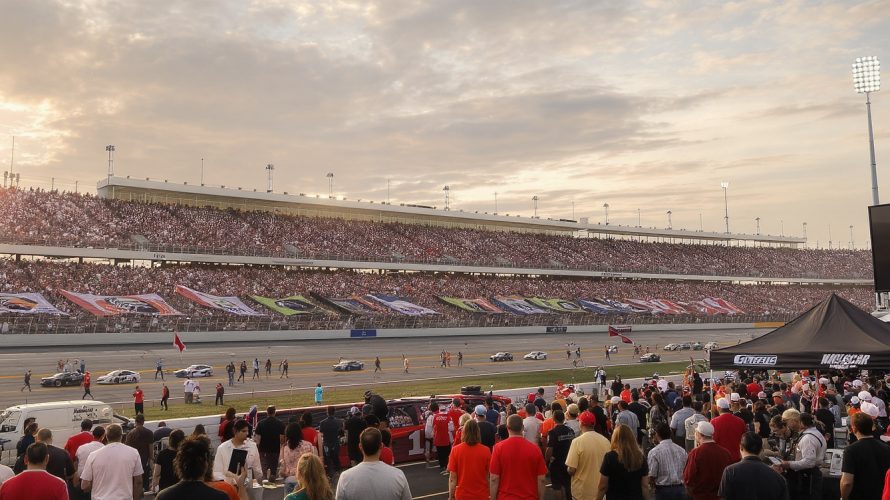
For millions of fans across the country, race day isn’t just another sporting event—it’s an experience. From roaring engines to photo-finish drama, NASCAR delivers fast-paced excitement that keeps viewers glued to their screens.
If you’re new to the sport, you might be wondering how to watch NASCAR live, what happens during race weekends, and what makes the experience so thrilling. Whether you’re tuning in for a major event like the Pennzoil 400 at Las Vegas Motor Speedway or simply curious about the world of stock car racing, this beginner-friendly guide will help you get started.
By the end, you’ll know where to watch NASCAR, how race weekends work, and what to expect when watching your first race live.
What Is NASCAR and Why Millions Watch It Live
NASCAR (National Association for Stock Car Auto Racing) is one of the most popular motorsports leagues in the United States. At its highest level—the NASCAR Cup Series—drivers compete in powerful stock cars across tracks ranging from short ovals to superspeedways and road courses.
While highlights are exciting, watching NASCAR live offers an entirely different experience. Every lap matters. Strategy, pit stops, and sudden cautions can instantly change the outcome of a race.
Live races keep fans on edge because:
- Lead changes happen frequently
- Pit strategy can determine the winner
- Caution flags can bunch up the field and create dramatic restarts
- Rivalries and storylines unfold throughout the race
For example, events like the Pennzoil 400 at Las Vegas Motor Speedway showcase the best drivers battling high speeds on a mile-and-a-half track known for thrilling finishes.
Where You Can Watch NASCAR Live
One of the most common questions new fans ask is “Where can I watch NASCAR live?” Fortunately, races are widely available on television and online streaming platforms.
Watching NASCAR on TV
The majority of NASCAR Cup Series races air on major sports networks.
The NASCAR live TV schedule usually rotates between:
- FOX
- FS1
- NBC
- USA Network
Early-season races—including the Daytona 500 and events like the Pennzoil 400—typically appear on FOX or FS1. Later races in the season often move to NBC or USA Network.
To watch NASCAR races live on TV:
- Check the weekly NASCAR schedule
- Tune into the network broadcasting that race
- Watch pre-race coverage for insights and predictions
Pre-race shows often feature driver interviews, track analysis, and expert commentary that help new fans understand what to expect.
Streaming NASCAR Live
If you don’t have cable, there are still several ways to watch NASCAR live streams online.
Popular streaming services that carry NASCAR networks include:
- Hulu + Live TV
- YouTube TV
- Sling TV
- FuboTV
These services typically include the channels that broadcast NASCAR races.
You can also follow live updates, driver telemetry, and race insights through NASCAR’s official live tracking platforms.
Streaming makes it easy to watch NASCAR races live from your phone, laptop, or smart TV.
Understanding the NASCAR Race Weekend Schedule
Unlike many sports, NASCAR events span an entire weekend. Each session plays an important role in preparing drivers and teams for race day.
Practice Sessions
Practice sessions allow drivers to test their cars on the track before the official race.
During practice:
- Teams adjust car setups for speed and handling
- Drivers learn how the track behaves
- Engineers analyze tire wear and fuel strategy
For new viewers, practice sessions can provide helpful context about which drivers may perform well on race day.
Qualifying
Qualifying determines the starting order for the race.
Drivers take timed laps around the track, and the fastest times secure the best starting positions.
Starting closer to the front gives drivers a strategic advantage because they avoid early traffic and potential incidents.
Qualifying sessions often deliver surprising results, with underdog drivers sometimes securing top positions.
Race Day
Race day is the highlight of the weekend.
A typical NASCAR Cup Series race includes:
- Pre-race ceremonies
- Driver introductions
- National anthem
- Green flag start
Races are divided into three stages, each awarding points to top finishers. These stages help maintain competition throughout the event.
Between stages, caution flags allow teams to adjust strategies and regroup.
Major races like the Pennzoil 400 at Las Vegas Motor Speedway attract huge audiences and showcase some of the most competitive racing of the season.
How NASCAR Races Work (Beginner Basics)
Understanding a few key elements can make watching NASCAR much more enjoyable.
Laps and Distance
NASCAR races are measured by laps around the track. Depending on the venue, races can run anywhere from 300 to 600 miles.
Pit Stops
Teams make pit stops for:
- Fuel
- Tire changes
- Mechanical adjustments
A fast pit crew can gain valuable track position.
Caution Flags
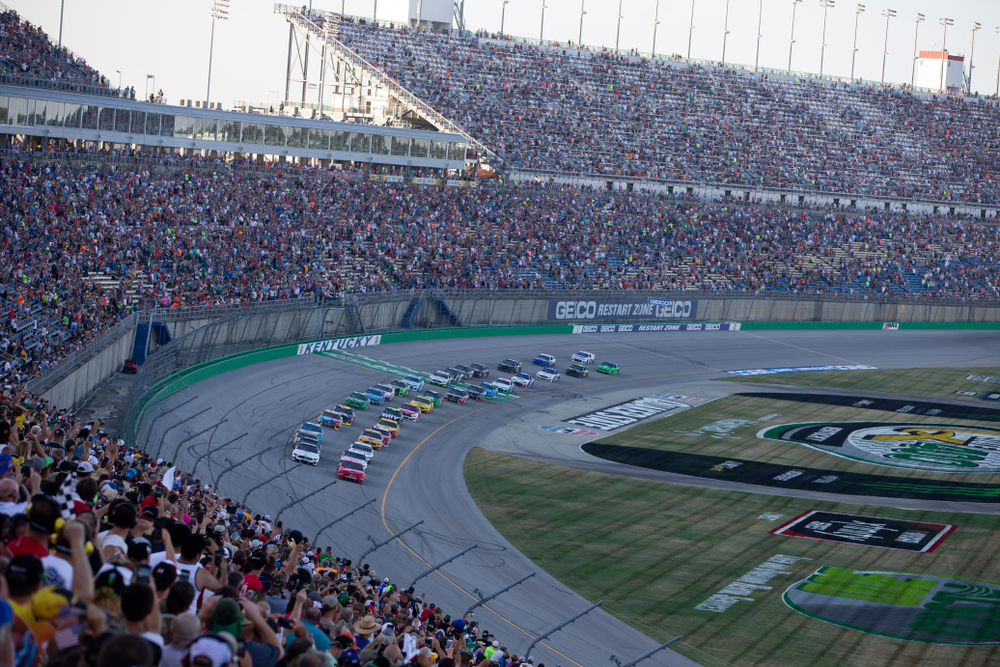
When accidents or debris appear on the track, officials wave a yellow caution flag. Drivers slow down, and the field bunches together.
Restarts after cautions often create some of the most exciting moments in NASCAR.
Stages
Modern NASCAR races are divided into stages to reward consistent performance and increase competitive drama. Stages help keep competition tight throughout the race and give teams more strategic opportunities to gain points.
NASCAR has also evolved by adding more diverse track types to the schedule. Road courses such as Circuit of the Americas (COTA) and Sonoma Raceway have introduced new challenges for drivers and created different racing strategies compared to traditional oval tracks.
What Makes Watching NASCAR Live So Exciting
NASCAR has a reputation for delivering high-energy entertainment—and for good reason.
Here’s what makes live viewing special:
Unpredictable Finishes
Close finishes and last-lap passes are common.
Speed and Sound
Stock cars reach speeds over 180 mph, creating an adrenaline-filled spectacle.
Strategic Racing
Fuel strategy, tire management, and pit timing often decide races.
Driver Rivalries
Drivers compete intensely throughout the season, leading to memorable on-track battles.
Live viewing allows fans to experience every dramatic moment as it happens.
Tips for First-Time NASCAR Viewers
If you’re planning to watch NASCAR for beginners, a few simple tips can make the experience more enjoyable. Start by choosing a few drivers to root for, which can make the race feel more engaging and easier to follow. Listening to the broadcast commentary also helps, since announcers explain strategies, driver rivalries, and changing track conditions throughout the race.
Pay close attention to restarts, as these are often some of the most action-packed moments when drivers battle closely for position. It also helps to learn about the different tracks on the schedule, because each one presents unique challenges—some favor raw speed while others require careful handling and strategy. Finally, checking the NASCAR live TV schedule ahead of time ensures you know when and where to watch NASCAR races live so you don’t miss the excitement.
NASCAR Traditions You Should Know About
Part of NASCAR’s charm comes from its long-standing traditions that add excitement and personality to race day. One of the most recognizable moments is the green flag start, which signals the official beginning of the race and sends drivers charging into the first lap. Before the race begins, driver introductions allow fans to cheer for their favorite competitors and build anticipation for the competition ahead.
At the end of the race, the winning driver celebrates in Victory Lane with their team, often spraying drinks and celebrating the hard-earned win. Many drivers also perform celebratory burnouts after wins, spinning their tires and filling the track with smoke to mark the victory. Together, these traditions create a unique atmosphere that keeps fans coming back for every NASCAR race weekend.
How Freeway Insurance Supports NASCAR Fans
For NASCAR fans, the sport is more than entertainment—it’s a community built around cars, competition, and a shared love of racing. Through its partnership with NASCAR, Freeway Insurance supports that passion and connects with fans who enjoy the excitement of race day, from events like the Pennzoil 400 at Las Vegas Motor Speedway to races across the country.
At Freeway, we can also help you find affordable auto coverage for your vehicle without any games or negotiating tactics. Get a fast and free quote for auto insurance online, call us at 800-777-5620, or visit one of our convenient locations to find coverage that works for you.
How Can I Watch NASCAR Live Without Cable?
You can watch NASCAR live without cable through streaming services that carry major sports networks. Platforms like Hulu + Live TV, YouTube TV, Sling TV, and FuboTV typically include channels such as FOX, FS1, NBC, and USA Network. These services let you stream NASCAR races live on smart TVs, laptops, tablets, or phones.
FAQs About NASCAR
What Channel Shows NASCAR Races?
NASCAR races are broadcast on several major television networks throughout the season. Early-season races often air on FOX or FS1, while later races move to NBC or USA Network. Checking the weekly NASCAR live TV schedule will help you find the correct channel for each race.
What Time Do NASCAR Races Usually Start?
Most NASCAR Cup Series races begin in the afternoon, typically between 2:00 PM and 3:30 PM Eastern Time. Some events are scheduled as evening races and may start later, especially during the summer months. Checking the official NASCAR schedule each week helps ensure you know when the green flag drops.
What Is the NASCAR Cup Series?
The NASCAR Cup Series is the highest level of NASCAR competition and features the sport’s top drivers and teams. Throughout the season, drivers compete across different track types, including superspeedways, short tracks, and road courses. Drivers earn points in each race as they compete for the Cup Series championship.
How Long Does a NASCAR Race Last?
Most NASCAR races last between three and four hours, depending on the track and race distance. Races are divided into stages, with caution periods and pit strategies influencing the overall length. Factors such as weather delays or overtime finishes can sometimes extend the race time.